
Opinion|Videos|January 19, 2026
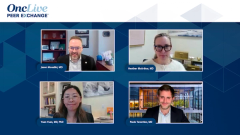
Targeting TROP-2 in Triple-Negative Breast Cancer: Rationale, Agents, and Evolving Guidance
Explore the evolving treatment landscape for early-stage triple-negative breast cancer, highlighting innovative therapies and clinical trial insights.
Advertisement
TROP-2 has emerged as an important therapeutic target in oncology due to its high and consistent expression across many epithelial cancers, including triple-negative breast cancer (TNBC). Its role in tumor growth, invasion, and proliferation provides a strong biologic rationale for the development of TROP-2–targeted antibody–drug conjugates (ADCs), which enable selective delivery of potent cytotoxic payloads to cancer cells. Several TROP-2–directed ADCs are particularly relevant in TNBC, including sacituzumab govitecan, datopotamab deruxtecan, and the investigational agent sacituzumab tirumotecan. Among these, sacituzumab govitecan has established a defined role in treatment guidelines for advanced TNBC, while newer agents are being evaluated across earlier lines of therapy. As clinical evidence continues to mature, guideline recommendations are evolving and are expected to further refine patient selection and sequencing of TROP-2–targeted therapies.
Advertisement
Related to this article

The top 5 OncLive TV videos of the week.
Check out this September recap of OncLive’s coverage of the top news and expert insights in gastrointestinal cancers.
The FDA approved atezolizumab plus chemo for stage III colon cancer, cleared a tucatinib-based maintenance regimen for advanced breast cancer, and more.
Read a refresh of hematologic cancer FDA and global regulatory news from September 2026.

The liquid biopsy identifies ESR1 mutations in blood to select patients with metastatic breast cancer who may be eligible for treatment with camizestrant.

The FDA granted fast track designation to PSV359 for locally advanced unresectable or metastatic FAP-positive solitary fibrous tumors.
Experts spotlight the gastrointestinal cancer presentations they’re most excited to see at the 2026 ESMO Congress.

Surgeons at the UC San Francisco have performed over 25,000 robotically assisted minimally invasive surgeries.
Advertisement
Advertisement
Trending on OncLive
1
FDA Approves Tucatinib Plus Trastuzumab/Pertuzumab as First-Line Maintenance in Advanced HER2+ Breast Cancer
2
VIR-5500 Receives FDA Fast Track Designation in mCRPC
3
Iberdomide Plus Daratumumab/Dexamethasone Yields Significant PFS Benefit in R/R Myeloma
4
FDA Approves Atezolizumab Plus Chemo for Stage III dMMR Colon Cancer
5