

Daneng Li, MD, shed light on some of the currently available regimens and ongoing research efforts being conducted in hepatocellular carcinoma and neuroendocrine tumors.
Daneng Li, MD, shed light on some of the currently available regimens and ongoing research efforts being conducted in hepatocellular carcinoma and neuroendocrine tumors.
The FDA has recommended that Aveo Oncology should not submit a new drug application for tivozanib with the preliminary overall survival data from the phase III TIVO-3 trial of patients with highly refractory, advanced or metastatic renal cell carcinoma.

The FDA has expanded the indication for pemetrexed in combination with pembrolizumab and platinum-based chemotherapy for the first-line treatment of patients with metastatic nonsquamous non–small cell lung cancer without EGFR or ALK alterations.

Stephanie L. Graff, MD, discusses the latest updates on escalation and de-escalation of therapy in patients with HR-positive breast cancer.
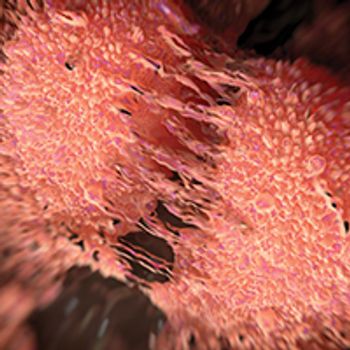
Apalutamide (Erleada) in combination with androgen deprivation therapy was found to significantly improve radiographic progression-free survival and overall survival versus placebo in patients with metastatic castration-sensitive prostate cancer.
The Lung Cancer Master Protocol, known as the first precision medicine trial in lung cancer supported by the National Cancer Institute, has expanded to include patients with all types of non–small cell lung cancers.
Kevin Kalinsky, MD, MS, highlights the recent data with alpelisib and CDK4/6 inhibitors, the toxicity differences between the 3 available CDK4/6 agents, and the next steps for both classes of agents.

Susana Campos, MD, MPH, highlights the success with PARP inhibitors in the relapsed and maintenance ovarian cancer settings.

The FDA has approved the combination of ibrutinib and obinutuzumab for the first-line treatment of patients with chronic lymphocytic leukemia or small lymphocytic lymphoma.
Paula Klein, MD, discusses the research surrounding extended adjuvant therapy in early-stage hormone receptor-positive breast cancer.

Ursula A. Matulonis, MD, highlights available and emerging treatment options and strategies for patients with recurrent ovarian cancer.

Stephen C. Malamud, MD, reflects on the intriguing and practice-changing data presented at the 2018 SABCS.

The European Commission has approved an expanded indication for single-agent rucaparib as a maintenance therapy in adult patients with platinum-sensitive, relapsed high-grade epithelial ovarian, fallopian tube, or primary peritoneal cancer who are in complete or partial response to platinum-based chemotherapy, regardless of BRCA status.
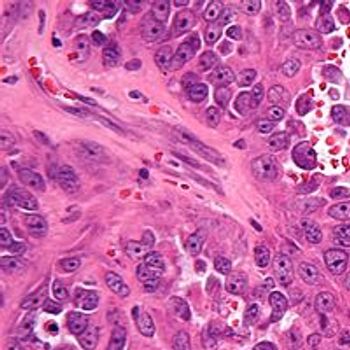
The FDA and European Medicines Agency have recommended that no new patients with advanced soft tissue sarcoma should be treated with the combination of olaratumab plus doxorubicin.

Bristol-Myers Squibb has withdrawn its supplemental biologics license application for the combination of nivolumab (Opdivo) and ipilimumab (Yervoy) for the frontline treatment of patients with advanced non–small cell lung cancer with tumor mutational burden ≥10 mutations per megabase.

Meghna Trivedi, MD, highlights 3 classes of agents that are showing promise in patients with metastatic triple-negative breast cancer.
The FDA has cleared a direct-to-consumer genetic test for a risk report on MUTYH-associated polyposis, a hereditary colorectal cancer syndrome.
The FDA has granted umbralisib (TGR-1202) a breakthrough therapy designation for the treatment of adult patients with marginal zone lymphoma who have received 1 prior anti-CD20 regimen.

The frontline combination of ibrutinib (Imbruvica) and nab-paclitaxel (Abraxane)/gemcitabine did not show a statistically significant benefit in progression-free or overall survival versus placebo plus nab-paclitaxel/gemcitabine in patients with metastatic pancreatic cancer.
The FDA has granted an approval to SB3 (Ontruzant; trastuzumab-dttb), a trastuzumab biosimilar, for the treatment of patients with HER2-overexpressing breast cancer or metastatic gastric or gastroesophageal junction adenocarcinoma.
Olaratumab in combination with doxorubicin missed the phase III ANNOUNCE trial’s primary endpoint of overall survival and did not confirm a clinical benefit for patients with advanced or metastatic soft tissue sarcoma compared with standard doxorubicin.

The FDA has issued a complete response letter to Immunomedics regarding its biologics license application for sacituzumab govitecan as a treatment for patients with metastatic triple-negative breast cancer who have received at least 2 prior therapies, citing chemistry, manufacturing, and control matters.

Pembrolizumab was found to reduce the risk of death by 31% in patients with PD-L1–positive advanced or metastatic esophageal or esophageal junction carcinoma who progressed on standard therapy.
The FDA has issued a letter to healthcare providers that they should monitor patients with a type of peripheral arterial disease who have been treated with vascular balloons that were coated with paclitaxel or stents that release paclitaxel in the femoropopliteal artery in the leg.

The FDA has accepted a supplemental biologics license application for atezolizumab, carboplatin, and nab-paclitaxel as a first-line treatment for patients with metastatic nonsquamous non–small cell lung cancer.
Suzanne George, MD, highlights the available therapies for patients with uterine sarcomas and what novel options are on the horizon.

The European Commission has approved nivolumab combined with low-dose ipilimumab as a frontline treatment for patients with intermediate- and poor-risk advanced renal cell carcinoma.

The FDA has granted the investigational BTK inhibitor zanubrutinib a breakthrough therapy designation for the treatment of adult patients with mantle cell lymphoma who have previously received at least 1 prior therapy.

Frontline varlitinib (ASLAN001) added to mFOLFOX6 was not found to significantly reduce tumor size after 12 weeks of therapy compared with mFOLFOX6 alone in patients with HER1/HER2 co-expressing advanced or metastatic gastric cancer, missing the primary endpoint of a phase II study.
Joyce F. Liu, MD, MPH, highlights the recent changes in the newly diagnosed ovarian cancer space and what the oncology field could see by the end of 2019.