The pain and suffering that Eduardo Bruera, MD, FAAHPM, witnessed in patients during his clinical oncology rotations motivated him to reshape palliative care treatment.
The pain and suffering that Eduardo Bruera, MD, FAAHPM, witnessed in patients during his clinical oncology rotations motivated him to reshape palliative care treatment.

Revumenib demonstrated clinically meaningful activity, including high response and minimal residual disease negativity rates, in heavily pretreated patients with KMT2A-rearranged acute leukemia.

The utilization of remote patient monitoring within the first 30 days of outpatient CAR T-cell therapy can promote patient safety, reduce costs, and decrease hospitalization rates by allowing patients with hematologic malignancies to connect with a virtual care platform.
Beyond genomic testing, endocrine therapy response should be used to determine whether patients with hormone receptor–positive, HER2-negative, N0-1 early breast cancer.

Treatment with the oral ALK inhibitor alectinib led to a statistically significant improvement in disease-free survival in patients with resected ALK-positive non–small cell lung cancer.

Findings from a cross-institutional study suggest that on-pathway regimens led to significant cost savings for patients with cancer, despite the rate of hospitalizations and immune-related adverse events being similar between on-pathway and off-pathway regimens.

Single-fraction stereotactic ablative body radiotherapy generated overall survival outcomes comparable to those achieved with multifraction SABR in patients with lung oligometastases.

Long-term assessments did not reveal differences in patient-reported outcomes between primary surgery or radiotherapy for patients with oropharyngeal squamous cell carcinoma.

Three months following a major colorectal cancer surgery, the majority of older patients achieved functional recovery.
Lower rates of diarrhea and overall bowel dysfunction were reported with the use of neoadjuvant fluorouracil and oxaliplatin vs neoadjuvant pelvic chemoradiation with fluorouracil (5FCURT) in patients with locally advanced rectal cancer. However, lower rates of other toxicities were reported in patients treated with 5FCURT.

The second line may be the optimal setting for patients with HR-positive, HER2-negative advanced breast cancer to receive CDK4/6 inhibitors plus an aromatase inhibitor followed by fulvestrant.

Second-line treatment with axicabtagene ciloleucel significantly improved overall survival compared with high-dose therapy plus autologous stem cell transplant in patients with early relapsed or refractory large B-cell lymphoma.

Dostarlimab maintained the health-related quality of life in patients with primary advanced or recurrent endometrial cancer.

Patients with unresectable hepatocellular carcinoma experienced manageable and low-grade immune-related adverse events with single tremelimumab regular interval durvalumab.

The combination of venetoclax and obinutuzumab with or without ibrutinib generated higher rates of undetectable minimal residual disease (MRD) and progression-free survival vs chemoimmunotherapy in fit patients with chronic lymphocytic leukemia.
The addition of cabozantinib to nivolumab and ipilimumab led to improved progression-free survival vs nivolumab and ipilimumab alone in patients with treatment-naïve advanced renal cell carcinoma; however, the rate of grade 3/4 adverse effects with the triplet was 79%.
Elacestrant maintained the quality of life for patients with metastatic breast cancer for at least 6 treatment cycles, according to patient reported outcomes.
A genome-wide methylome enrichment platform demonstrated efficacy in detecting early-stage, low-shedding cancers with limited circulating tumor DNA.
Whole-exome sequencing successfully identified genetic conditions in patients who may have been missed by clinical guidelines.
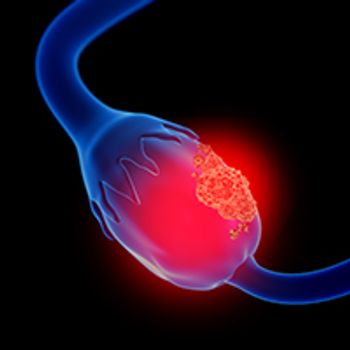
Women with ovarian cancer may be effectively assessed for frailty status via the Carolina Frailty Index Score.
The gynecological cancer lymphedema questionnaire and the lower extremity lymphedema screening questionnaire showed moderate to substantial agreement across different cutoff points.
Kathryn Maples, PharmD, BCOP, discusses recent approvals, updated labeling, and drug removals across leukemia, lymphoma, and multiple myeloma.

The efficacy profile for avelumab in patients with locally advanced or metastatic urothelial carcinoma was consistent in a real-world setting with what had been reported in the phase 3 JAVELIN Bladder 100 trial.

An economic analysis showed that neither polatuzumab vedotin-piiq added to standard of care chemotherapy nor CD19-directed chimeric antigen receptor T-cell therapy is likely to be the most cost-effective for patients with diffuse large B-cell lymphoma.
The high concordance rate between gastric and breast cancer HER2 scoring algorithms suggest that either may be used in the metastatic colorectal cancer setting.
In the first-line treatment of patients with advanced hepatocellular carcinoma, a combination of pembrolizumab plus lenvatinib yielded similar health-related quality of life scores as lenvatinib plus placebo, according to a HRQOL analysis of the phase 3 LEAP-002 study.

Treatment with adjuvant pembrolizumab resulted in favorable quality-of-life outcomes vs high-dose interferon α 2b or ipilimumab in patients with resected melanoma at high risk for relapse.

Patients with stage III colon cancer who receive longer courses of adjuvant oxaliplatin, exercise for less than 9 hours per week, have diabetes, or have a higher body mass index could experience higher rates of severe oxaliplatin-induced peripheral neuropathy.

Daratumumab in addition to bortezomib, lenalidomide, and dexamethasone induction/consolidation therapy, as well as with lenalidomide maintenance, showcased a promising health-related quality of life benefit for patients with transplant eligible, newly diagnosed multiple myeloma.

Neoadjuvant treatment with trastuzumab deruxtecan showed promising responses in patients with early-stage breast cancer.