

Increasing the duration of bevacizumab treatment in the frontline setting did not improve progression-free survival for patients with advanced ovarian cancer.
Increasing the duration of bevacizumab treatment in the frontline setting did not improve progression-free survival for patients with advanced ovarian cancer.

Almost single-handedly, Jennifer Temel, MD, defined a research field in medicine, creating a new focus on quality of life for patients and survivors.

The median time between pathologic diagnosis to next-generation sequencing was reduced in a quality improvement project for patients with newly diagnosed metastatic non–small cell lung cancer.
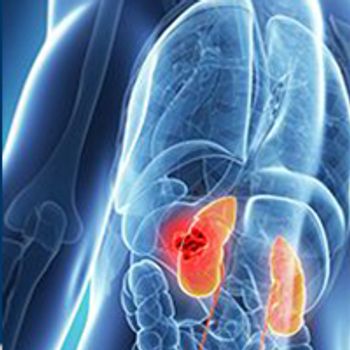
Kiran Virdee, RN, BSN, CCRN-K, outlines the best practices for the management of adverse effects during the treatment of kidney cancer.

The combination of encorafenib and binimetinib led to sustained improvements in progression-free survival and overall survival, without new safety signals in patients with BRAF V600–mutant melanoma, according to 5-year follow-up of the phase 3 COLUMBUS trial.

Dual inhibition with letrozole and abemaciclib displayed response and survival benefits in patients with recurrent estrogen receptor–positive endometrioid endometrial cancer.

Luspatercept produced favorable safety and long-term efficacy in patients with untreated lower-risk myelodysplastic syndromes, irrespective of subtype.

Intensity-modulated radiation therapy elicited durable efficacy and a favorable safety profile compared with conventional radiotherapy in patients with endometrial and cervical cancers who received postoperative pelvic radiation.

An analysis of patient-reported outcomes from the phase 2 KEYNOTE-522 trial demonstrated that pembrolizumab was not associated with effects on health-related quality of life in patients with triple-negative breast cancer.

Trastuzumab deruxtecan demonstrated a promising quality-of-life benefit for patients with hormone receptor–positive, HER2-low metastatic breast cancer, according to a report on patient-reported outcomes from the pivotal DESTINY-Breast04 trial.

An updated analysis of the phase 1 SURPASS trial showed that ADP-A2M4CD8, a next-generational autologous T-cell receptor designed to patients with solid tumors, may be an effective therapy in MAGE-A4-positive disease.
Patient outcomes across the multiple myeloma landscape have vastly improved with the approval of multiple agents in the treatment armementarium, such as belantamab mafodotin-blmf, selinexor, and ciltacabtagene autoleucel.
Patients with multiple myeloma can mitigate the common oral and dermatologic toxicities associated with talquetamab with early intervention tactics.

Overall survival outcomes for patients with hormone receptor–positive, HER2-negative advanced breast cancer who had dose modifications of ribociclib in the phase 3 MONALEESA-2 trial were comparable to those seen among patients who received the standard dose.

Avasopasem significantly reduced severe oral mucositis across all intensity-modulated radiotherapy landmarks in patients with locally advanced, nonmetastatic head and neck cancer.

Cisplatin-ineligible patients with locally advanced muscle invasive bladder cancer undergoing chemotherapy may benefit from simultaneous treatment with intravenous vitamin C.
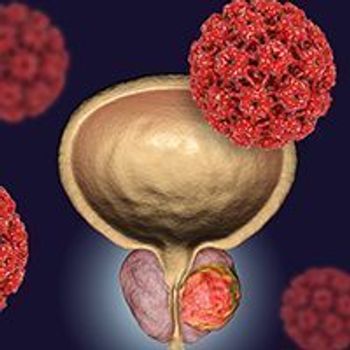
Patients with metastatic urothelial carcinoma who received pembrolizumab achieved prolonged median progression-free and overall survival after experiencing an immune-related adverse effect.

Belimumab could be a potential treatment used to prevent chronic graft-vs-host-disease in patients undergoing allogeneic hematopoietic transplantation by inhibiting BAFF and limiting the survival of aforeactive B cells.

The addition of the investigational anti-CD39 antibody TTX-030 to frontline treatment with the PD-L1 inhibitor budigalimab and mFOLFOX6 was determined to be safe and tolerable in patients with locally advanced or metastatic HER2-negative gastroesophageal junction adenocarcinoma.

Patients with extensive-stage small cell lung cancer whose disease harbors inflamed or YAP1 molecular subtypes may be more likely to derive superior overall survival benefit from durvalumab and chemotherapy vs those with other overexpressed biomarkers.

Oregovomab, an investigational monoclonal antibody with promising phase 2 data, is being tested in combination with paclitaxel for patients with advanced epithelial ovarian cancer in the phase 3 FLORA-5 trial.

The combination of nivolumab and ipilimumab led to superior quality of life compared with sunitinib in the frontline setting of patients with advanced renal cell carcinoma, according to results of a 5-year analysis from the CheckMate 214 trial.

Updated findings from the KEYNOTE-590 study confirmed the clinical benefit of the combination of pembrolizumab and chemotherapy as a treatment for patients with locally advanced and metastatic esophageal cancer.

The presence of Arthrobacter and fatty acid metabolism pathways in gut microbiomes may be linked to an increased risk of skin-related adverse events in patients with advanced gastric cancer who are receiving single-agent nivolumab.

The triplet regimen of belantamab mafodotin plus pomalidomide and dexamethasone was revealed to have a manageable safety profile, which is consistent with the known individual safety profiles of belantamab mafodotin or pomalidomide and dexamethasone, in patients with relapsed/refractory multiple myeloma.

Elevated amphiregulin was associated with increased mortality risk in acute graft–versus-host-disease, according to a sample of 2 prospective clinical trials showed.

Patients with polycythemia vera who have controlled hematocrit levels, but elevated white blood counts are at an increased risk of thrombotic events, according to a presentation of the REVEAL study.
Selinexor combined with venetoclax demonstrated efficacy and tolerability in heavily pretreated relapsed/refractory multiple myeloma cell lines with t(11;14), according to small study results that were presented during the 2021 ASH Annual Meeting.
The novel non-covalent BTK inhibitor pirtobrutinib showed promising preclinical efficacy in overcoming ibrutinib and venetoclax resistance, and in limiting cell growth and inducing apoptosis in mantle cell lymphoma.

Aromatase inhibitors significantly reduced the risk of breast cancer recurrence in premenopausal women with estrogen receptor–positive breast cancer receiving ovarian suppression compared with tamoxifen.