




Biosimilars
Latest News

Advertisement
Latest Videos
































































Advertisement
More News
Hope S. Rugo, MD, director, Breast Oncology and Clinical Trials Education, University of California San Francisco Helen Diller Family Comprehensive Cancer Center, discusses the regulatory process behind biosimilars in oncology.
Gary H. Lyman, MD, MPH, medical oncologist, Fred Hutchinson Cancer Research Center, discusses the epoetin alfa biosimilar.
Gary H. Lyman, MD, MPH, medical oncologist, Fred Hutchinson Cancer Research Center, discusses the differences in approving a biosimilar and the original biologic product during the 2019 NCCN Annual Conference.
The FDA has granted an approval to PF-05280014 (Trazimera; trastuzumab-qyyp), a trastuzumab biosimilar, to treat patients with HER2-overexpressing breast cancer as well as HER2-overexpressing metastatic gastric or gastroesophageal junction adenocarcinoma.
Since 2006, the European Medicines Agency has granted marketing authorization for more than 40 biosimilars, and, in less than 4 years, the FDA has approved 17, yet the knowledge gap in the understanding of biosimilarity poses a unique challenge to the agents’ assimilation into clinical practice and possible impact on access and cost savings, experts say.
Wolfgang Janni, MD, PhD, professor and chair of the Department of Obstetrics and Gynecology at the University of Ulm, Germany, discusses the influence of biosimilars in oncology.
The European Commission has approved PF-06439535 (Zirabev), a bevacizumab (Avastin) biosimilar for the treatment of patients with metastatic carcinoma of the colon or rectum, metastatic breast cancer, unresectable advanced, metastatic, or recurrent non–small cell lung cancer, advanced and/or metastatic renal cell cancer, and persistent recurrent or metastatic carcinoma of the cervix.
Mark D. Pegram, MD, Susy Yuan-Huey Hung Professor, co-director, Stanford’s Molecular Therapeutics Program, director, Breast Cancer Oncology Program, Stanford Women’s Cancer Center, discusses challenges biosimilars will face once they hit the United States market.
The FDA has granted an approval to SB3 (Ontruzant; trastuzumab-dttb), a trastuzumab biosimilar, for the treatment of patients with HER2-overexpressing breast cancer or metastatic gastric or gastroesophageal junction adenocarcinoma.
Pamela N. Munster, MD, professor, department of medicine (hematology/oncology), University of California, San Francisco (UCSF), director, early phase clinical trials unit, co-leader, Center for BRCA Research, leader, Experimental Therapeutics Program, UCSF Helen Diller Family Comprehensive Cancer Center, discusses the developmental process for biosimilars in oncology.
Sara A. Hurvitz, MD, director of the Breast Oncology Program, medical director of the Clinical Research Unit, University of California, Los Angeles Jonsson Comprehensive Cancer Center, discusses the importance of biosimilars in HER2-positive breast cancer.
Adam M. Brufsky, MD, PhD, discusses the impact of biosimilars in the field of oncology and outlined other strategies and steps that can be taken to mitigate cost when treating patients with breast cancer.

Out-of-pocket expenditures are substantially less among Medicare beneficiaries with breast cancer undergoing chemotherapy who receive prophylaxis for febrile neutropenia with a filgrastim biosimilar as opposed to the reference product.
Adam M. Brufsky, MD, PhD, professor of medicine, associate chief, Division of Hematology/Oncology, co-director, Comprehensive Breast Cancer Center, associate director, Clinical Investigation, University of Pittsburgh, discusses cost mitigation practices that can be implemented before more biosimilars reach the United States market.
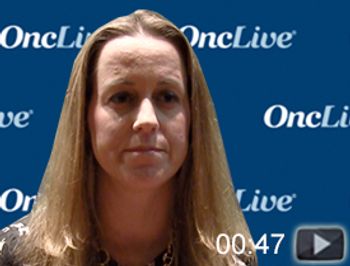
Erika P. Hamilton, MD, director, Breast and Gynecologic Research Program, Sarah Cannon Research Institute, discusses the addition of biosimilars to breast oncology.
The FDA has granted an approval to CT-P6, a trastuzumab biosimilar, for the treatment of patients with HER2-overexpressing breast cancer
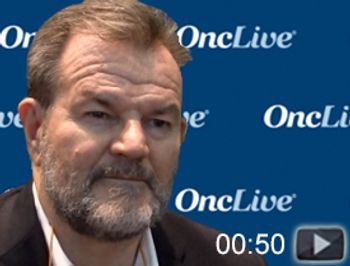
Andrea De Censi, MD, director of the medical oncology unit at the National Hospital E.O. Ospedali Galliera–SC Oncologia Medica in Genoa, Italy, discusses the financial benefit of biosimilars in oncology.
CT-P6, a proposed biosimilar to trastuzumab, exhibited long-term disease-free survival and overall survival similar to the reference product in the treatment of patients with HER2-positive early breast cancer.
Maurie Markman, MD, discusses the evolution of biosimilars and ongoing efforts to make treatments more affordable for patients with cancer.

Hans-Christian Kolberg, MD, head, Department of Obstetrics and Gynecology, Breast Cancer Center, and Gynecologic Cancer Center at Marienhospital Bottrop, Klinik für Gynäkologie und Geburtshilfe, Bottrop, Germany, discusses the importance of ensuring confidence with biosimilars in oncology.
Francisco J. Esteva, MD, PhD, medical oncologist, New York University’s Perlmutter Cancer Center, discusses the efficacy and safety of the trastuzumab (Herceptin) biosimilar candidate CT-P6 in HER2-positive breast cancer.
Aditya Bardia, MD, MPH, director of Precision Medicine at the Center for Breast Cancer, Massachusetts General Hospital Cancer Center, Harvard Medical School, discusses potential concerns regarding the use of biosimilars in the breast cancer space.
Patrick I. Borgen, MD, chair, Department of Surgery, director, Breast Cancer, Maimonides Medical Center, discusses the potential global impact of biosimilars in oncology.
Mark D. Pegram, MD, Susy Yuan-Huey Hung Professor, co-director, Stanford’s Molecular Therapeutics Program, director, Breast Cancer Oncology Program, Stanford Women’s Cancer Center, discusses the manufacturing process of biosimilars.
Adam M. Brufsky, MD, PhD, professor of medicine, associate chief, Division of Hematology/Oncology, co-director, Comprehensive Breast Cancer Center, associate director, Clinical Investigation, University of Pittsburgh, addresses biosimilar skepticism.
Advertisement
Advertisement
Trending on OncLive
1
FDA Approves Tucatinib Plus Trastuzumab/Pertuzumab as First-Line Maintenance in Advanced HER2+ Breast Cancer
2
VIR-5500 Receives FDA Fast Track Designation in mCRPC
3
Iberdomide Plus Daratumumab/Dexamethasone Yields Significant PFS Benefit in R/R Myeloma
4
FDA Approves Atezolizumab Plus Chemo for Stage III dMMR Colon Cancer
5