
Biosimilars
Latest News
Advertisement
Latest Videos






























































Advertisement
More News

Yelena Novik, MD, associate professor, New York University’s Perlmutter Cancer Center, discusses the potential impact of biosimilars on the treatment of cancer.
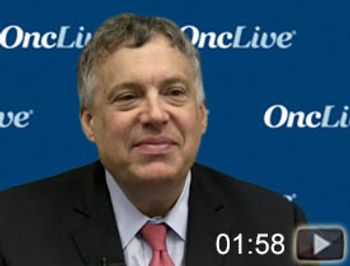
Roy S. Herbst, MD, PhD, professor of Medicine, chief of Medical Oncology, Yale Cancer Center and Smilow Cancer Hospital, discusses the bevacizumab (Avastin) biosimilar in lung cancer.

Denise A. Yardley, MD, senior investigator of breast cancer research, Sarah Cannon Research Institute, discusses the role of biosimilars in the treatment of patients with breast cancer.
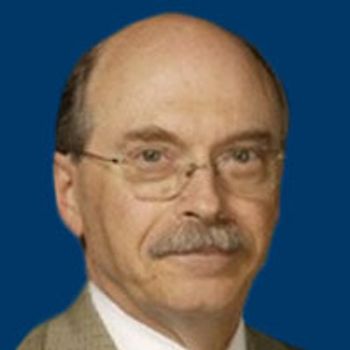
Michael Savin, MD, discusses the emergence of biosimilars in oncology, and why there are still obstacles with incorporating them into clinical practice.
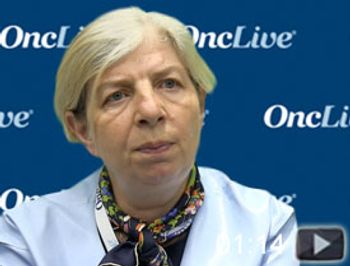
Yelena Novik, MD, associate professor, New York University Langone’s Perlmutter Cancer Center, discusses the sustainability of drug development in oncology.
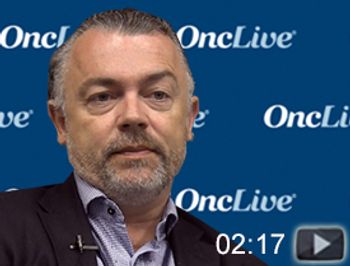
Hans-Christian Kolberg, MD, head, Department of Obstetrics and Gynecology, Breast Cancer Center, and Gynecologic Cancer Center at Marienhospital Bottrop, Klinik für Gynäkologie und Geburtshilfe, Bottrop, Germany, explains the approval process for biosimilars.
European patients with non-Hodgkin lymphoma are more likely to be prescribed a rituximab biosimilar if they are in better overall health, have indolent histology, and have follicular lymphoma.
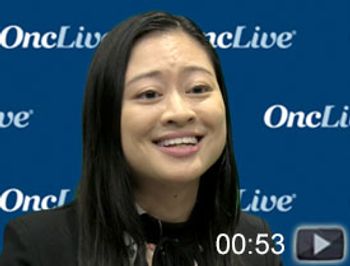
Maryann J. Kwa, MD, instructor, Department of Medicine, NYU Langone’s Perlmutter Cancer Center, discusses the potential impact of biosimilars in oncology.

Yelena Novik, MD, associate professor, Department of Medicine, New York University’s Perlmutter Cancer Center, discusses the adoption of biosimilars in breast cancer.
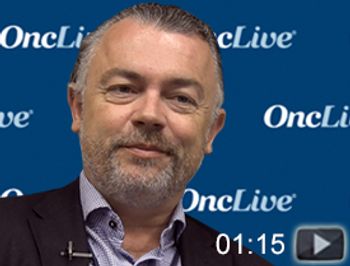
Hans-Christian Kolberg, MD, head, Department of Obstetrics and Gynecology, Breast Cancer Center, and Gynecologic Cancer Center at Marienhospital Bottrop, Klinik für Gynäkologie und Geburtshilfe, Bottrop, Germany, discusses the central pathology review of the trastuzumab (Herceptin) biosimilar ABP 980.
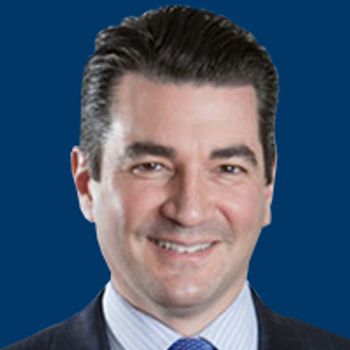
The market for biosimilar introduction is “extremely unstable,” but the FDA is working to ease the launch of more affordable cancer medicines with a strategy that includes an attempt to reduce anticompetitive behavior.
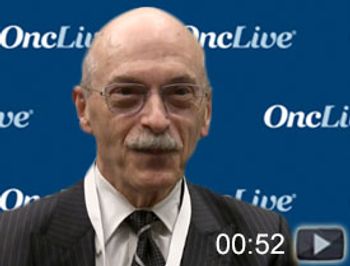
Michael A. Savin, MD, assistant professor of medicine, School of Medicine, Oregon Health and Science University, discusses the evolution of biosimilars.
Zahi Mitri, MD, MS, assistant professor of medicine, Oregon Health and Science University, discusses the promise of trastuzumab (Herceptin) biosimilars.
Michael A. Savin, MD, assistant professor of medicine, School of Medicine, Oregon Health and Science University, discusses the future of biosimilars in oncology.
Hans-Christian Kolberg, MD, head, Department of Obstetrics and Gynecology, Breast Cancer Center, and Gynecologic Cancer Center at Marienhospital Bottrop, Klinik für Gynäkologie und Geburtshilfe, Bottrop, Germany, discusses the LILAC study of the biosimilar ABP 980.
Haythem Y. Ali, MD, discusses the state of biosimilar development and implementation in the field of oncology.
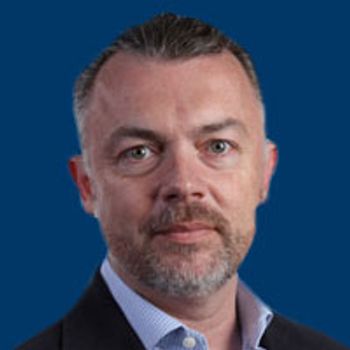
The pathologic complete response rate associated with the trastuzumab biosimilar ABP 980 was equivalent to that of reference trastuzumab based on central laboratory evaluation in patients with HER2-positive early breast cancer enrolled in the phase III LILAC study.
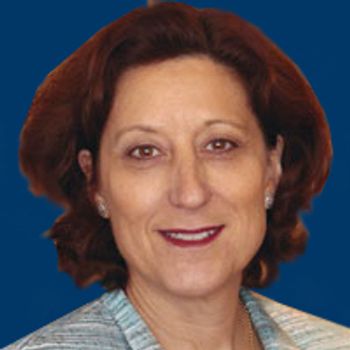
MYL-1401O (Ogivri; trastuzumab-dkst) added to a taxane as initial therapy followed by MYL-1401O monotherapy as maintenance resulted in a nearly identical rate of progression-free survival compared with trastuzumab (Herceptin) in patients with HER2-positive metastatic breast cancer.
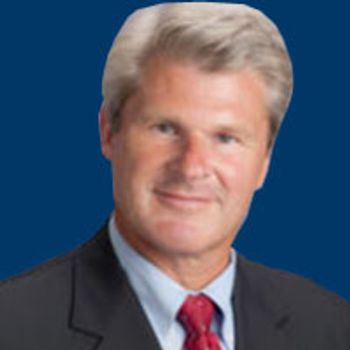
The bevacizumab biosimilar PF-06439535 demonstrated similarity to the European Union bevacizumab reference product for overall response rate, with similar pharmacokinetic and immunogenicity profiles for patients with advanced non-squamous non-small cell lung cancer.
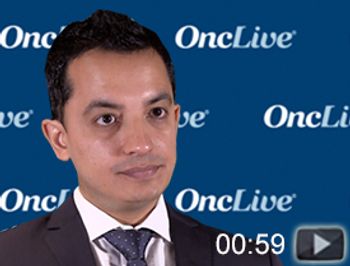
Sunil Verma, MD, professor and head of the Department of Oncology at the University of Calgary, medical director of the Tom Baker Cancer Centre, discusses the potential role for trastuzumab (Herceptin) biosimilars.
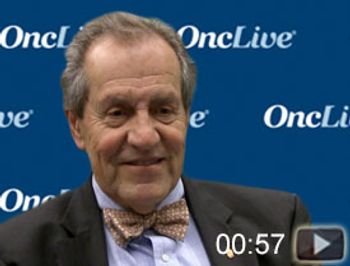
Alex E. Denes, MD, associate professor of medicine, School of Medicine, Oregon Health and Science University, discusses the use of biosimilars in the treatment of patients with cancer.
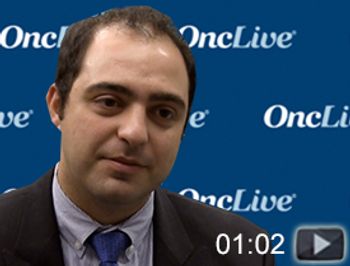
Zahi Mitri, MD, MS, assistant professor of medicine, Oregon Health and Science University, discusses the impact of the FDA-approval of the trastuzumab (Herceptin) biosimilar MYL-1401O (Ogivri; trastuzumab-dkst).
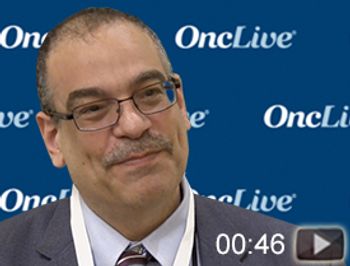
Haythem Y. Ali, MD, senior medical oncologist, Henry Ford Hospital, discusses misconceptions about biosimilars in oncology.
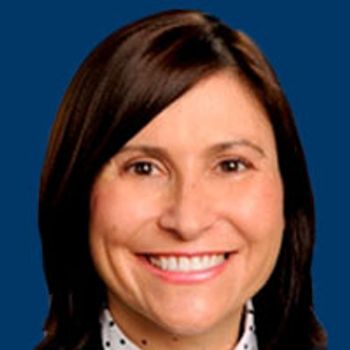
Elisavet Paplomata, MD, discusses ABP 980 and the impact that biosimilars may have on global access to cancer care.
Sunil Verma, MD, professor and head of the Department of Oncology at the University of Calgary, medical director of the Tom Baker Cancer Centre, discusses the FDA approval process for biosimilars.
Advertisement
Advertisement
Trending on OncLive
1
FDA Approves Tucatinib Plus Trastuzumab/Pertuzumab as First-Line Maintenance in Advanced HER2+ Breast Cancer
2
VIR-5500 Receives FDA Fast Track Designation in mCRPC
3
Iberdomide Plus Daratumumab/Dexamethasone Yields Significant PFS Benefit in R/R Myeloma
4
FDA Approves Atezolizumab Plus Chemo for Stage III dMMR Colon Cancer
5