




Precision Medicine in Oncology®
Latest News

Advertisement
Latest Videos







































































Advertisement
More News

Andrew McKenzie, PhD, discusses the variety of molecular testing modalities in patients with metastatic non–small cell lung cancer.

Stacey A. Cohen, MD, discusses the results of real-world analysis of patients with resected stage I-III colorectal cancer, how circulating tumor DNA status correlated with recurrence rates, and how these real-world data compared with previous observational studies.

Recent developments in cancers of the thymus, a small organ located in the mediastinum above the heart, have shined a light on a malignancy that only affects about 400 Americans annually.

The accelerated approval of the FGFR inhibitor futibatinib on September 30, 2022, has expanded options for previously treated adult patients with unresectable, locally advanced, or metastatic intrahepatic cholangiocarcinoma FGFR2 fusions or rearrangements.1

Jeff Yorio, MD, discusses adverse effects associated with targeted agents and combinations in BRAF-mutated melanoma.

Sheena Bhalla, MD, discusses the need for improved understanding of EGFR exon 20 insertion mutations in the development of non–small cell lung cancer treatment.

Jeff Yorio, MD, discusses treatment combinations in BRAF-mutated melanoma.
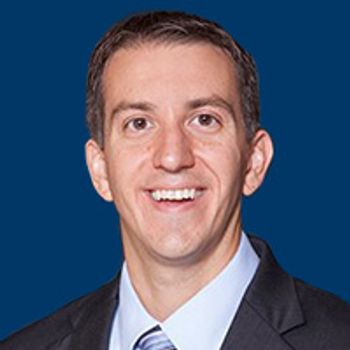
Jeff Yorio, MD, discussed the decision-making process for treating patients with BRAF-mutant melanoma, the use of immunotherapy in melanoma, and the management of cutaneous squamous cell carcinoma and basal cell carcinoma.
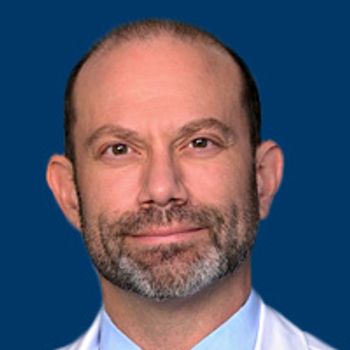
Gilteritinib, in combination with induction and consolidation chemotherapy, generated responses in patients with newly diagnosed acute myeloid leukemia, including those with FLT3 mutations, according to data from a phase 1 trial.

John Lindsay Marshall, MD, discusses past, present, and future developments in molecular testing, as well as the unique offerings of tissue and blood tests and the ways in which these precise approaches will ultimately make cancer diagnosis and treatment more efficient and effective.

Single-agent neratinib produced robust responses in patients with metastatic or recurrent HER2-mutated cervical cancer, according to updated data from phase 2 SUMMIT basket trial.

The FDA has granted a fast track designation to sapanisertib as a potential therapeutic option in patients with unresected or metastatic squamous non–small cell lung cancer whose tumors harbor an NRF2 mutation and who have previously received platinum-based chemotherapy and immune checkpoint inhibition.

The FDA has approved use of the PATHWAY anti-HER2/neu rabbit monoclonal primary antibody as a companion diagnostic to identify patients with HER2-low metastatic breast cancer who are eligible for treatment with trastuzumab deruxtecan.

The FDA has granted an accelerated approval to futibatinib (Lytgobi) for adult patients with previously treated, unresectable, locally advanced or metastatic intrahepatic cholangiocarcinoma harboring FGFR2 gene fusions or other rearrangements.

The FDA has approved the Oncomine Dx Target Test as a companion diagnostic to select patients with RET fusion–positive locally advanced or metastatic non–small cell lung cancer, advanced or metastatic thyroid cancer, and advanced or metastatic medullary thyroid cancer who could be candidates to receive selpercatinib.

TAC01-HER2 demonstrated early signals of clinical activity with a tolerable safety profile in patients with HER2-overexpressed solid tumors.

Blocking ligand interaction of HER2 and HER3 in patients with NRG1 fusion–positive tumors has demonstrated a clinically feasible avenue to improve outcomes with the novel agent zenocutuzumab.
The FDA has granted accelerated approval to selpercatinib for adult patients with locally advanced or metastatic solid tumors harboring a RET gene fusion that have progressed on or after previous systemic treatment or who have no satisfactory alternative treatment options.
The FDA has granted a regular approval to selpercatinib (Retevmo) for adult patients with locally advanced or metastatic non–small cell lung cancer harboring a RET gene fusion, as detected by an FDA-approved test.

Alpelisib decreased the need for surgery and led to improvements in performance status and disease-related signs and symptoms in pediatric patients with PIK3CA-related overgrowth spectrum disease who received treatment with the PI3K inhibitor under compassionate use.

Srdan Verstovsek, MD, PhD, discusses the clinical implications of the FDA approval of pemigatinib, the results of the FIGHT-203 trial, and the need to conduct chromosomal analysis for patients with myeloid/lymphoid neoplasms.

Results from a retrospective analysis presented during the 2022 ESMO Congress indicated that circulating tumor DNA could potentially be leveraged as a prognostic factor and a tumor-specific biomarker for diffuse large B-cell lymphoma in China.

The ULK1/2 inhibitor DCC-3116 was well tolerated as a monotherapy in patients with locally advanced or metastatic tumors harboring a RAS or RAF mutation.

An updated analysis of the phase 1 SURPASS trial showed that ADP-A2M4CD8, a next-generational autologous T-cell receptor designed to patients with solid tumors, may be an effective therapy in MAGE-A4-positive disease.

In this fifth episode of OncChats: Taking Action to Individualize Ovarian Cancer Care, John Nakayama, MD, and Christopher Morse, MD, share key takeaways from their discussion on how to best individualize care for patients with ovarian cancer.
Advertisement
Advertisement
Trending on OncLive
1
Ifinatamab Deruxtecan BLA Voluntarily Withdrawn in Previously Treated Extensive-Stage SCLC
2
Etentamig Improves Response and PFS vs Standard Therapies in Triple-Class Exposed Relapsed/Refractory Myeloma
3
Dr Voorhees on Eligibility Criteria for the CERVINO Trial in Multiple Myeloma
4
Long-Term PERSEUS Data Confirm Durable PFS Benefit With D-VRd in Transplant-Eligible Newly Diagnosed Myeloma
5