




CAR T-Cell Therapy
Latest News
Advertisement
Latest Videos
























































Advertisement
More News

David C. Fisher, MD, discusses treatment with bispecific antibodies and CAR T-cell therapy, respectively, for patients with cytokine release syndrome.

Daniel DeAngelo MD, PhD, discusses the evolution of management strategies and treatment goals across several hematologic malignancies.
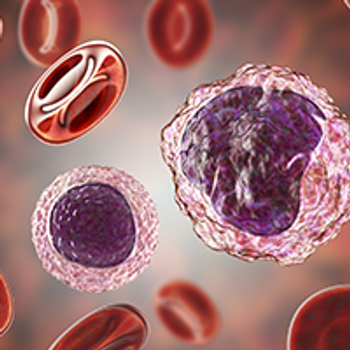
CAR T-cell therapy demonstrated efficacy and manageable safety in mantle cell lymphoma in a systematic review of prospective and real-world studies.
Amitkumar Mehta, MD, discusses CAR T-cell therapy-associated risks in patients with lymphoma who have undergone multiple lines of prior chemotherapy.

NT-I7 with CAR T-cell therapy demonstrated an 81.1% objective response rate in relapsed DLBCL patients and a manageable safety profile.

Perioperative nivolumab receives FDA approval for resectable NSCLC, acalabrutinib sNDA gets priority review for MCL, and more from OncLive this week.

The GPRC5D-targeted CAR T-cell therapy BMS-986393 led to an objective response rate of 96% in patients with relapsed/refractory multiple myeloma.

Treatment with P-BCMA-ALLO1 demonstrated clinical activity and a manageable safety profile in heavily pretreated, relapsed/refractory multiple myeloma.
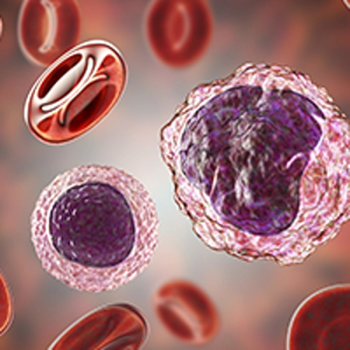
All patients with relapsed/refractory multiple myeloma experienced a response when treated with anitocabtagene autoleucel in a phase 1 trial.

Mayo Clinic researchers mined the molecular foundations of cancer and uncovered a new reason CAR-T cell therapy fails in some patients.

The phase 3 KarMMa-9 trial of ide-cel plus lenalidomide maintenance in newly diagnosed multiple myeloma after ASCT has discontinued enrollment.

Jasmine M. Zain, MD, of City of Hope, discuss challenges in CAR-T therapies in patients with T-cell lymphomas.
This list features a snapshot of key August FDA oncology decisions, efforts to integrate health equity into guideline development, and more.

Tisagenlecleucel is moving to earlier lines of therapy for pediatric and young adult patients with relapsed/refractory B-cell acute lymphoblastic leukemia.

Here is your snapshot of all therapeutic options that the FDA approved in August 2024 and their clinical implications.

The FDA has granted fast track designation to the allogeneic CAR T-cell therapy CB-012 for relapsed/refractory acute myeloid leukemia.
Marco Davila, MD, PhD, discusses how to shape the future of medicine with gene and cell therapy.

The EMA has expanded the indication for lisocabtagene maraleucel to include the treatment of patients with relapsed or refractory follicular lymphoma.

The FDA has granted fast track designation to Deltacel in combination with low-dose radiation for pretreated metastatic non–small cell lung cancer.
The FDA cleared the SeCore CDx HLA A Sequencing System as a companion diagnostic for afamitresgene autoleucel in advanced synovial sarcoma.
Alemtuzumab was FDA granted orphan drug designation as part of lymphodepletion prior to UCART22 in relapsed/refractory B-cell acute lymphoblastic leukemia.
FDA Grants Accelerated Approval to Afami-Cel for Advanced Synovial Sarcoma
Published: | Updated:
The FDA has granted accelerated approval to afamitresgene autoleucel for select patients with pretreated unresectable or metastatic synovial sarcoma.

The incidence of ICANS and CRS post-CAR T-cell therapy decreased after 2 weeks in patients with DLBCL, supporting a reduction of the monitoring period.

Francisco Hernandez-Ilizaliturri, MD, details factors that influence CAR T-cell therapy selection in relapsed/refractory follicular lymphoma.

GLPG5101 produced high CRs in patients with relapsed/refractory non-Hodgkin lymphoma, indicating the feasibility of decentralized CAR T manufacturing.
Advertisement
Advertisement
Trending on OncLive
1
FDA Approval of Dostarlimab Brings Potential Organ-Sparing Approach in dMMR Locally Advanced Rectal Cancer
2
Casdatifan Demonstrates Activity in Advanced Clear Cell RCC
3
Treatment Tailoring and Weighing Alternative Formulations Support Optimal TKI Deployment in CML
4
HER2+ Maintenance Therapy Approvals and Innovative Brain Metastasis Care Reshape Breast Cancer Management
5