






CAR T-Cell Therapy
Latest News
Advertisement
Latest Videos































































Advertisement
More News

MB-106 showcased a favorable safety profile and elicited responses in heavily pretreated patients with refractory Waldenström macroglobulinemia.

Minoo Battiwalla, MD, discusses the role of bispecific antibodies as an alternative to CAR T-cell therapies in NHL, treatment strategies for aggressive follicular lymphomas, and more.

The CD7-targeted CAR T-cell therapy WU-CART-007 had a manageable safety profile and elicited preliminary efficacy signals in relapsed/refractory T-ALL/LBL.

Marie Hu, MD, discusses considerations for the use of CAR T-cell therapy and bispecific antibodies in relapsed/refractory diffuse large B-cell lymphoma.
Minoo Battiwalla, MD, MS, discusses the impact of earlier-line FDA approvals for CAR T-cell therapies on treatment outcomes in multiple myeloma.

Sattva S. Neelapu, MD, discusses processes that have been adopted to streamline the delivery of CAR T-cell therapy to patients with lymphoma.

Axi-cel administration was safe and clinically active in relapsed/refractory primary and secondary central nervous system lymphoma.

David A. Braun, MD, PhD, highlights the developing role of T-cell therapies in RCC and looks toward the horizon for other advances.

The European Commission granted orphan drug designation to UCART22 for acute lymphoblastic leukemia.

Here is your guide to important regulatory approvals made by the FDA in May 2024.

The FDA approved liso-cel for the treatment of adult patients with relapsed/refractory mantle cell lymphoma after at least 2 prior lines of therapy, including a BTK inhibitor.
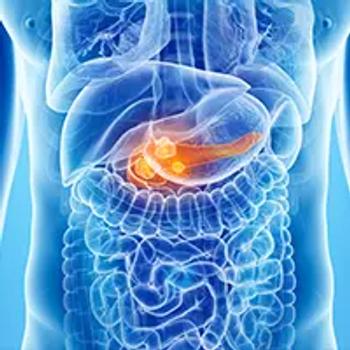
CT041 was safe and showcased early signals of antitumor activity in heavily pretreated patients with metastatic pancreatic cancer.

James Ignatz-Hoover, MD, PhD, discusses the evolving use of CAR T-cell therapies and bispecific antibodies in multiple myeloma.

Carrie L. Kitko, MD, discusses the current standing of cellular therapies in adult and pediatric ALL and looks toward future developments.

Sattva S. Neelapu, MD, discusses the optimal processes of CAR T-cell therapy administration and the remaining unmet needs in the space.
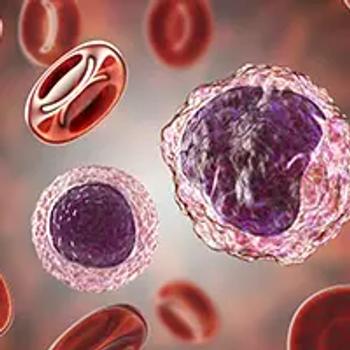
WU-CART-007 has received RMAT and PRIME designations in relapsed/refractory T-cell acute lymphoblastic leukemia and T-cell lymphoblastic lymphoma.
Sattva S. Neelapu, MD, discusses the current standing of CAR T-cell therapies in the treatment paradigm in lymphoma.
The FDA has granted accelerated approval to lisocabtagene maraleucel for the treatment of select adult patients with relapsed or refractory follicular lymphoma.

Samuel Yamshon, MD, of Weill Cornell Medicine/NewYork-Presbyterian, discusses strategies to improve CAR T-cell durability in patients with non-Hodgkin lymphoma.

CAR T-cell therapy is effective and tolerable in patients with mantle cell lymphoma with secondary central nervous system involvement.

James Ignatz-Hoover, MD, PhD discusses sequencing CAR T cell therapies and bispecific agents in treating pretreated patients with multiple myeloma.

Sundar Jagannath, MBBS, discusses CAR T-cell therapy considerations prior to initiation in the management of multiple myeloma.

Krina K. Patel, MD, MSc, discusses her thoughts on moving CAR T-cell therapy up in the lines of treatment for patients with multiple myeloma.

Olalekan O. Oluwole, MBBS, MD, discusses the feasibility of using CAR T-cell therapy in patients with nonhematologic autoimmune disorders.

Samer A. Srour, MB ChB, MS, explains the significance of early safety and efficacy data with CTX130 in CD70-expressing clear cell renal cell carcinoma.
Advertisement
Advertisement
Trending on OncLive
1
FDA Approval of Dostarlimab Brings Potential Organ-Sparing Approach in dMMR Locally Advanced Rectal Cancer
2
Casdatifan Demonstrates Activity in Advanced Clear Cell RCC
3
Treatment Tailoring and Weighing Alternative Formulations Support Optimal TKI Deployment in CML
4
HER2+ Maintenance Therapy Approvals and Innovative Brain Metastasis Care Reshape Breast Cancer Management
5