
CAR T-Cell Therapy
Latest News
Advertisement
Latest Videos























































Advertisement
More News
Checkpoint inhibition showed promise for augmenting or extending response to chimeric antigen receptor T-cell therapy in some patients with relapsed B-cell acute lymphoblastic leukemia.
Treatment with the CD19-targeted CAR T-cell therapy tisagenlecleucel demonstrated sustained rates of relapse-free survival and overall survival at 24 and 18 months for pediatric and young adult patients with relapsed or refractory acute lymphoblastic leukemia.
Although CAR T-cell therapies have proved successful in certain hematologic malignancies, efforts to employ similar strategies in solid tumors have been challenging. Investigators are working on different forms of adoptive cell therapy in solid tumors and early signs are promising.
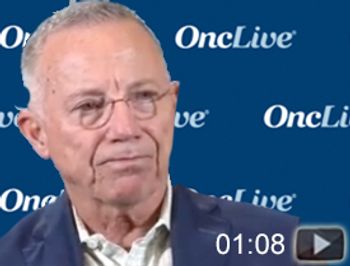
Ralph Boccia, MD, an oncologist at the Center for Cancer and Blood Disorders, associate clinical professor at Georgetown University, discusses managing adverse events associated with chimeric antigen receptor T-cell therapy.
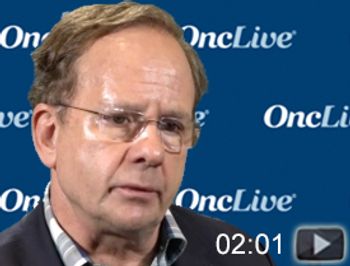
Andre Goy, MD, MS, chairman and executive director of the John Theurer Cancer Center at Hackensack University Medical Center, discusses the affordability of cancer treatment breakthroughs such as chimeric antigen receptor T-cell therapy.
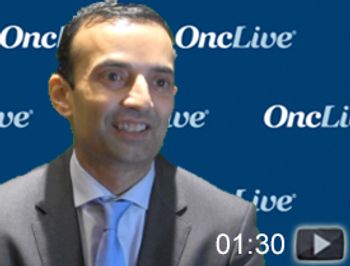
Ajai Chari, MD, associate professor of medicine, Hematology and Medical Oncology, Mount Sinai Hospital, discusses the impact of CAR T-cell therapy in myeloma.
The high durable response rates seen with CAR T-cell therapies have helped fill a high unmet need for patients with relapsed/refractory diffuse large B-cell lymphoma, with questions remaining on the optimal way to use these agents following the FDA approval of 2 therapies in the past year.
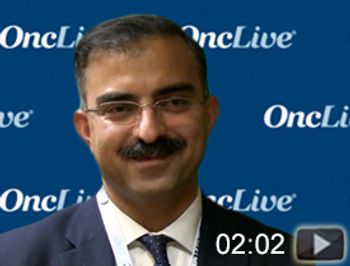
Armin Ghobadi, MD, assistant professor of medicine, Division of Medical Oncology, Washington University School of Medicine, Siteman Cancer Center, discusses the potential development of chimeric antigen receptor (CAR) T cells in solid tumors.
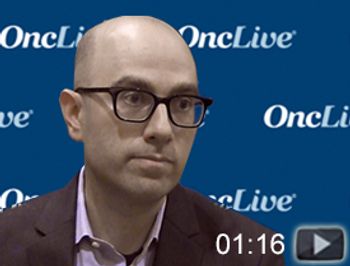
Eric Smith, MD, PhD, medical oncologist, Memorial Sloan Kettering Cancer Center, discusses chimeric antigen receptor (CAR) T cell persistence in patients with multiple myeloma.
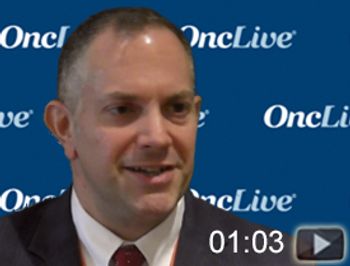
Ryan Bookout, PharmD, president, Hematology/Oncology Pharmacy Association, clinical pharmacist, Moffitt Cancer Center, discusses the impact of recent advances and precision medicine in oncology.
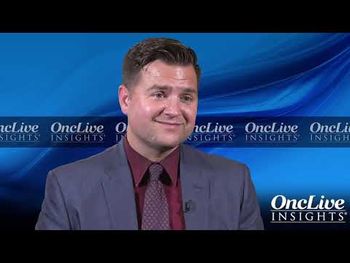

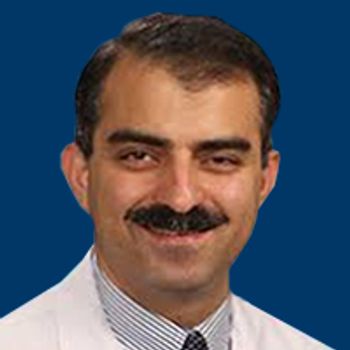
Armin Ghobadi, MD, discusses the evolution and expansion of CAR T-cell therapy in oncology and how to maximize its application across liquid and solid tumors.
Advertisement
Advertisement
Trending on OncLive
1
FDA Approval of Dostarlimab Brings Potential Organ-Sparing Approach in dMMR Locally Advanced Rectal Cancer
2
Casdatifan Demonstrates Activity in Advanced Clear Cell RCC
3
Treatment Tailoring and Weighing Alternative Formulations Support Optimal TKI Deployment in CML
4
HER2+ Maintenance Therapy Approvals and Innovative Brain Metastasis Care Reshape Breast Cancer Management
5