

CAR T-Cell Therapy
Latest News
Advertisement
Latest Videos
























































Advertisement
More News
David G. Maloney, MD, PhD, discusses the promise of lisocabtagene maraleucel in patients with diffuse large B-cell lymphoma.
Jesus Berdeja, MD, discusses ongoing research with bb2121 in patients with relapsed/refractory myeloma.
Frederick Locke, MD, Moffitt Cancer Center, discusses the results of the ZUMA-6 trial investigating axicabtagene ciloleucel (axi-cel; KTE-C19) in combination with atezolizumab (Tecentriq) for the treatment of patients with refractory diffuse large B-cell lymphoma (DLBCL).

Renier Brentjens, MD, PhD, associate professor, chief, Cellular Therapeutics Center, Memorial Sloan Kettering Cancer Center, discusses the potential for chimeric antigen receptor therapy (CAR) T-cell therapy in solid tumors.
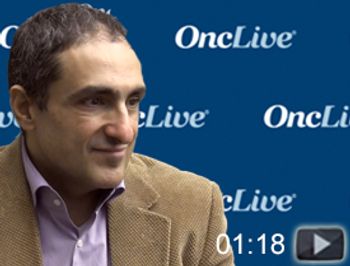
Charalambos (Babis) Andreadis, MD, MSCE, associate professor of clinical medicine, Department of Medicine, UCSF Helen Diller Family Comprehensive Cancer Center, discusses developments being made to chimeric antigen receptor (CAR) T-cell therapy for patients with hematologic malignancies.

Nina Shah, MD, discusses immunotherapy and cellular treatments moving fast through the multiple myeloma pipeline, and the hope for CAR T-cell therapy to move up to earlier lines of treatment.
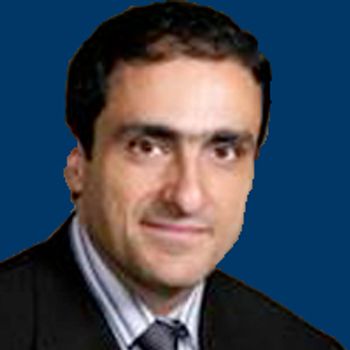
Babis Andreadis, MD, discusses the successes seen with CAR T-cell development in the past year and the use of CAR T-cell therapy in patients with NHL.
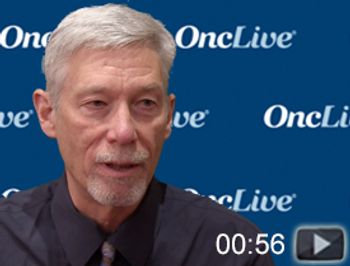
David Maloney, MD, PhD, professor of medicine, Division of Oncology, University of Washington, Clinical Research Division, Fred Hutchinson Cancer Research Center, discusses the success and challenges of chimeric antigen recptor (CAR) T-cell therapy in hematologic malignancies.
Recent advances in the understanding of the immune system are paving the way for new and effective approaches to treating cancer.
The FDA has granted a priority review to the CAR T-cell therapy tisagenlecleucel for adult patients with relapsed/refractory DLBCL who are ineligible for or relapse after autologous stem cell transplant.
Renier Brentjens, MD, PhD, associate professor, chief, Cellular Therapeutics Center, Memorial Sloan Kettering Cancer Center, discusses challenges facing chimeric antigen receptor (CAR) T-cell therapy for patients with hematologic malignancies.
Advertisement
Advertisement
Trending on OncLive
1
FDA Approval of Dostarlimab Brings Potential Organ-Sparing Approach in dMMR Locally Advanced Rectal Cancer
2
Casdatifan Demonstrates Activity in Advanced Clear Cell RCC
3
Treatment Tailoring and Weighing Alternative Formulations Support Optimal TKI Deployment in CML
4
HER2+ Maintenance Therapy Approvals and Innovative Brain Metastasis Care Reshape Breast Cancer Management
5