

CAR T-Cell Therapy
Latest News
Advertisement
Latest Videos






















































Advertisement
More News



Renier Brentjens, MD, PhD, associate professor, chief, Cellular Therapeutics Center, Memorial Sloan Kettering Cancer Center, discusses targets for CAR T-cell therapy.
Jesus Berdeja, MD, director of Multiple Myeloma Research, Sarah Cannon Research Institute, discusses a study of bb2121, an anti-BCMA chimeric antigen receptor (CAR) T-cell therapy.

Charalambos (Babis) Andreadis, MD, MSCE, associate professor of clinical medicine, Department of Medicine, UCSF Helen Diller Family Comprehensive Cancer Center, discusses the role of chimeric antigen receptor (CAR) T-cell therapy for pediatric patients with acute lymphocytic leukemia (ALL).
David Maloney, MD, PhD, professor of medicine, Division of Oncology, University of Washington, Clinical Research Division, Fred Hutchinson Cancer Research Center, discusses the preliminary safety data of the chimeric antigen receptor (CAR) T-cell product, JCAR017, in relapsed/refractory aggressive B-cell lymphoma.
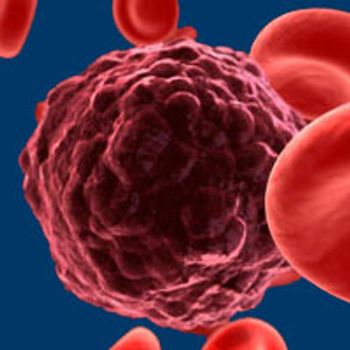
Marcela V. Maus, MD, PhD, evaluates the next generation of chimeric antigen receptor (CAR) T cells in both hematologic malignancies and solid tumors
Chimeric antigen receptor (CAR) T cells have hit prime time, with the 2 recent FDA approvals for this class of cell-based therapy.
Reem Karmali, MD, Feinberg School of Medicine, Northwestern University, discusses the impact of chimeric antigen receptor (CAR) T-cell therapy on the treatment of patients with diffuse large B-cell lymphoma (DLBCL).
Sattva Neelapu, MD, associate professor, Department of Lymphoma/Myeloma, Division of Cancer Medicine, at The University of Texas MD Anderson Cancer Center, discusses the updated findings of the ZUMA-1 trial investigating axicabtagene ciloleucel (axi-cel; Yescarta) for patients with refractory aggressive non-Hodgkin lymphoma.
Liso-cel (lisocabtagene maraleucel), formally known as JCAR017, induced an objective response rate of 81% with a complete remission rate of 63% in patients with relapsed/refractory diffuse large B-cell lymphoma.
The CAR T-cell therapy tisagenlecleucel (Kymriah) achieved an overall response rate of 53.1% in adult patients with relapsed/refractory diffuse large B-cell lymphoma.
Advertisement
Advertisement
Trending on OncLive
1
FDA Approval of Dostarlimab Brings Potential Organ-Sparing Approach in dMMR Locally Advanced Rectal Cancer
2
Casdatifan Demonstrates Activity in Advanced Clear Cell RCC
3
Treatment Tailoring and Weighing Alternative Formulations Support Optimal TKI Deployment in CML
4
HER2+ Maintenance Therapy Approvals and Innovative Brain Metastasis Care Reshape Breast Cancer Management
5