



CAR T-Cell Therapy
Latest News
Advertisement
Latest Videos

























































Advertisement
More News
Reem Karmali, MD, Feinberg School of Medicine, Northwestern University, discusses the future of chimeric antigen receptor (CAR) T-cell therapy in diffuse large B-cell lymphoma (DLBCL).
Leo I. Gordon, MD, professor of medicine, Feinberg School of Medicine, Northwestern University, discusses the concerns of chimeric antigen receptor (CAR) T-cell therapy.
Reem Karmali, MD, assistant professor of medicine (hematology and oncology), Feinberg School of Medicine, Northwestern University, discusses the toxicities associated with the use of chimeric antigen receptor (CAR) T-cell therapies.
Andre Goy, MD, discusses the recent success with CAR T-cell therapy, and what is on the horizon for this therapeutic option across hematologic malignancies.
The FDA has approved the CD19-directed CAR T-cell therapy axicabtagene ciloleucel as a treatment for adults with relapsed or refractory non-Hodgkin lymphoma.
Reem Karmali, MD, assistant professor of medicine (hematology and oncology), Feinberg School of Medicine, Northwestern University, discusses the FDA approval of axicabtagene ciloleucel (KTE-C19; axi-cel) for the treatment of patients with non-Hodgkin lymphoma.
David G. Maloney, MD, PhD, member of the Clinical Research Division, Fred Hutchinson Cancer Research Center, Washington, discusses excitement with CAR T-cell therapy.
William G. Wierda, MD, PhD, medical director of the Leukemia Center at The University of Texas MD Anderson Cancer Center, discusses the need for newer therapies in the treatment of chronic lymphocytic leukemia.
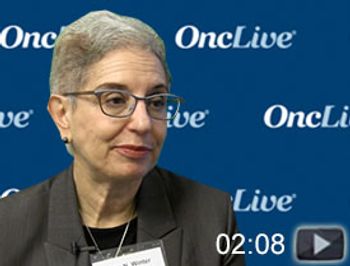
Jane N. Winter, MD, professor of medicine, Division of Hematology/Oncology, Northwestern University, discusses the promise of chimeric antigen receptor (CAR) T-cell therapy in hematologic malignancies.
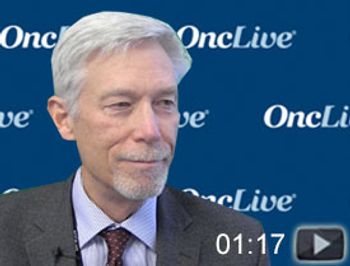
David G. Maloney, MD, PhD, member of the Clinical Research Division, Fred Hutchinson Cancer Research Center in Seattle, Washington, discusses the challenges that exist in the use of CAR T-cell therapy in acute lymphocytic leukemia.

Defined composition CAR T cells directed against CD19 have potent anti-tumor activity in B cell malignancies, including acute lymphocytic leukemia.

Treatment with the autologous anti-CD19 CAR T-cell therapy axicabtagene ciloleucel significantly improved outcomes in refractory non-Hodgkin lymphoma compared with standard therapies.

Patients with refractory chronic lymphocytic leukemia achieved a high-response rate with CD19-targeted CAR T-cell therapy JCAR014.

James L. Ferrara, MD, discusses the significance of the FDA approving tisagenlecleucel as the first CAR T-cell therapy.
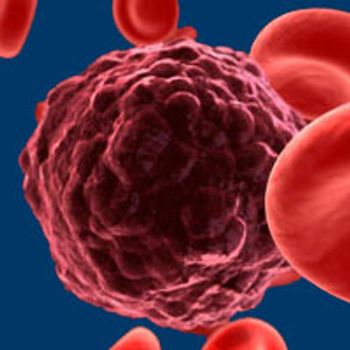
The FDA placed clinical holds on 2 phase I trials investigating a gene-edited allogeneic CAR T-cell (UCART) therapy known as UCART123.
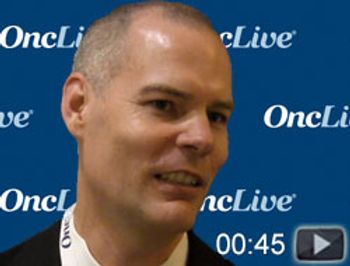
Peter Martin, MD, assistant professor of medicine in the Division of Hematology/Oncology at Weill Cornell Medical College, Weill Cornell Medicine/NewYork-Presbyterian Hospital, discusses the potential of chimeric antigen receptor (CAR) T-cell therapy in the landscape of mantle cell lymphoma (MCL).
Novartis’ just-approved chimeric antigen receptor (CAR) T-cell therapy tisagenlecleucel is going to be introduced on the market at a price of $475,000 for a single infusion, an amount that is within the range anticipated by oncologists.
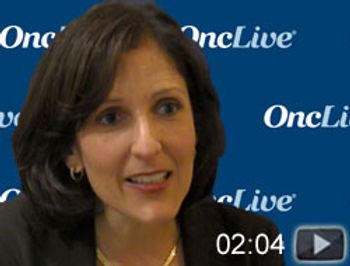
Gail J. Roboz, MD, a professor of Medicine and director of the Clinical and Translational Leukemia Program at Weill Cornell Medicine/NewYork-Presbyterian Hospital, discusses the impact of the FDA approval of tisagenlecleucel (CTL019) in patients with acute lymphoblastic leukemia.
The FDA issued a historic approval of the first chimeric antigen receptor (CAR) T-cell therapy, authorizing the use of tisagenlecleucel (Kymriah) for the treatment of patients up to 25 years of age with B-cell precursor acute lymphoblastic leukemia that is refractory or in second or later relapse.
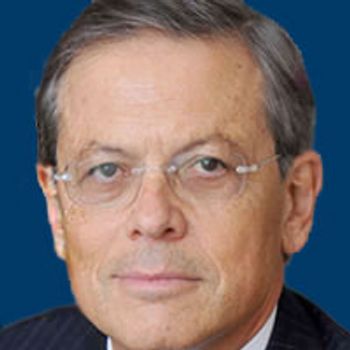
Gilead has announced plans to acquire Kite Pharma for $180.00 per share in cash, totaling approximately $11.9 billion.
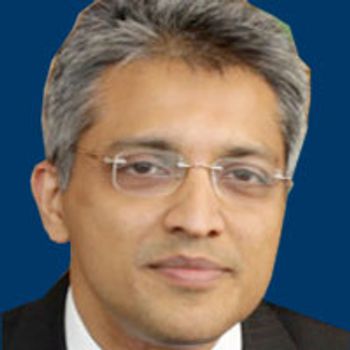
Shaji Kumar, MD, discusses his ixazomib maintenance trial, the latest FDA activity in myeloma, and the potential of chimeric antigen receptor (CAR) T-cell therapy in the field of myeloma.
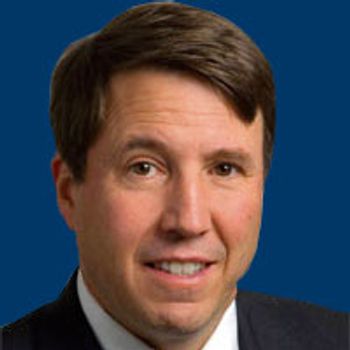
Chimeric antigen receptor (CAR) T-cell therapies could spawn a new and lucrative industry in anticancer immunotherapy, resulting in single-infusion treatments costing hundreds of thousands of dollars, and even attracting medical tourism from abroad, where regulatory permissions are likely to come more slowly than in the United States.
Researchers have determined that CD30-specific CAR T cells could be used safely and induce durable complete responses in patients with Hodgkin lymphoma and anaplastic large cell lymphoma.
Bijal D. Shah, MD, medical oncology, Moffitt Cancer Center, discusses a therapeutic option on the horizon for patients with mantle cell lymphoma (MCL) who are intolerant to ibrutinib (Imbruvica).
Gail Roboz, MD, a professor of Medicine and director of the Clinical and Translational Leukemia Program at Weill Cornell Medicine/NewYork-Presbyterian Hospital, discusses the challenges clinicians are facing with chimeric antigen receptor (CAR) T-cell therapy in acute lymphoblastic leukemia (ALL).
Advertisement
Advertisement
Trending on OncLive
1
FDA Approval of Dostarlimab Brings Potential Organ-Sparing Approach in dMMR Locally Advanced Rectal Cancer
2
Casdatifan Demonstrates Activity in Advanced Clear Cell RCC
3
Treatment Tailoring and Weighing Alternative Formulations Support Optimal TKI Deployment in CML
4
HER2+ Maintenance Therapy Approvals and Innovative Brain Metastasis Care Reshape Breast Cancer Management
5