
CAR T-Cell Therapy
Latest News
Advertisement
Latest Videos






















































Advertisement
More News
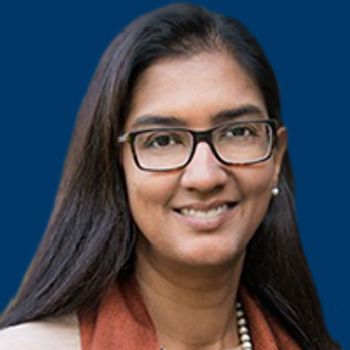
Tanya Siddiqi, MD, explains how novel agents are improving the treatment landscape for chronic lymphocytic leukemia, citing examples from the TRANSCEND CLL 004 trial.
Matthew G. Mei, MD, assistant clinical professor, Department of Hematology and Hematopoietic Cell Transplantation, and hematologist/oncologist, City of Hope, discusses investigational CAR T-cell therapies and antibody-drug conjugates (ADCs) in Hodgkin lymphoma.
Deepu Madduri, MD, assistant professor, medicine, hematology and medical oncology, Mount Sinai Hospital, discusses the potential impact of CAR T-cell therapy in multiple myeloma.
Alison R. Sehgal, MD, assistant professor of medicine, hematologist/medical oncologist, University of Pittsburgh School of Medicine, UPMC Hillman Cancer Center, discusses the clinical implications of CAR T-cell therapy in diffuse large B-cell lymphoma (DLBCL).
The CAR T-Cell therapy MB-102 has been granted an Orphan Drug Designation by the FDA, according to Mustang Bio, Inc, the manufacturer of the investigational treatment.
Jing-Zhou Hou, MD, PhD, co-chair of the Hematological Malignancies program, and medical oncologist, hematologist, and clinical instructor at University of Pittsburgh Medical Center Hillman Cancer Center, discusses the latest updates with CAR T-cell therapy in diffuse large B-cell lymphoma (DLBCL).
Alison R. Sehgal, MD, assistant professor of medicine, hematologist/medical oncologist, University of Pittsburgh School of Medicine, UPMC Hillman Cancer Center, discusses ways to manage cytokine release syndrome (CRS) and neurotoxicity associated with CAR T-cell therapy.
Alison R. Sehgal, MD, discusses the latest developments with CAR T-cell therapy in lymphomas.
Mazyar Shadman, MD, MPH, discusses earlier use of CAR T-cell therapy in lymphoma, the impact of approved products on future development, and recent data with chemotherapy-free and time-limited therapy in chronic lymphocytic leukemia.
Mazyar Shadman, MD, MPH, assistant member, Fred Hutchinson Cancer Research Center, assistant professor, Medical Oncology Division, Department of Medicine, University of Washington, and attending physician, Seattle Cancer Care Alliance, discusses challenges with CAR T-cell therapy.
Alison Rager Sehgal, MD, assistant professor of medicine, University of Pittsburgh School of Medicine, UPMC Hillman Cancer Center, discusses the structure and manufacturing process of CAR T cells.
Ahmed Galal, MD, instructor, Department of Medicine, Duke Cancer Institute, discusses the management of adverse events (AEs) associated with CAR T-cell therapy.
Patients with high-risk relapsed/refractory chronic lymphocytic leukemia who failed or were intolerant of ibrutinib derived more benefit from CD19‐targeted CAR T-cell therapy when the BTK inhibitor was concurrently administered than when it was not.
Tanya Siddiqi, MD, a hematologist/oncologist at City of Hope, discusses the phase I/II TRANSCEND CLL 004 trial, which evaluated the efficacy of anti-CD19 CAR T cells in patients with relapsed/refractory chronic lymphocytic leukemia or small lymphocytic lymphoma.
The CAR T-cell therapy lisocabtagene maraleucel demonstrated high rates of response, including minimum residual disease in blood and marrow in patients with relapsed/refractory chronic lymphocytic leukemia or small lymphocytic lymphoma.
Mazyar Shadman, MD, MPH, assistant member, Fred Hutchinson Cancer Research Center, discusses next steps for CAR T-cell therapy in diffuse large B-cell lymphoma.
Ahmed Galal, MD, sheds light on the current use of CAR T-cell therapy in relapsed/refractory lymphomas and a handful of strategies to expand the reach of this therapy.
Richard T. Maziarz, MD, professor of medicine at Oregon Health & Science University, Knight Cancer Institute, discusses unanswered questions with CAR T-cell therapy in diffuse large B-cell lymphoma.
Andre Goy, MD, MS, chief, Division of Lymphoma, chairman and director, John Theurer Cancer Center, discusses updates in CAR T-cell therapy that are being presented at the 2019 ASCO Annual Meeting.
Nirav N. Shah, MD, assistant professor, Medical College of Wisconsin, discusses the differences between anti–CD19 CAR T-cell therapies.
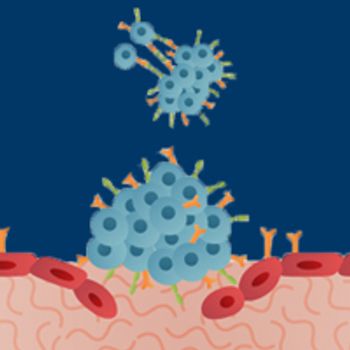
Mesothelin, a protein found on cell surfaces and in serum, has emerged as a promising target for immunotherapy-based treatment approaches for several malignancies with poor prognoses and limited treatment options. Investigating novel approaches to optimize delivery and identifying combinations of agents to synergistically improve therapeutic response will be the next steps in bringing mesothelin-targeted therapies into the clinical setting.
Ahmed Galal, MD, instructor, Department of Medicine, Duke Cancer Institute, discusses the use of CAR T-cell therapy in patients with relapsed/refractory lymphomas.
The FDA has granted an orphan drug designation to the autologous CAR T-cell therapy P-BCMA-101 for the treatment of patients with relapsed/refractory multiple myeloma.
Advertisement
Advertisement
Trending on OncLive
1
FDA Approval of Dostarlimab Brings Potential Organ-Sparing Approach in dMMR Locally Advanced Rectal Cancer
2
Casdatifan Demonstrates Activity in Advanced Clear Cell RCC
3
Treatment Tailoring and Weighing Alternative Formulations Support Optimal TKI Deployment in CML
4
HER2+ Maintenance Therapy Approvals and Innovative Brain Metastasis Care Reshape Breast Cancer Management
5