


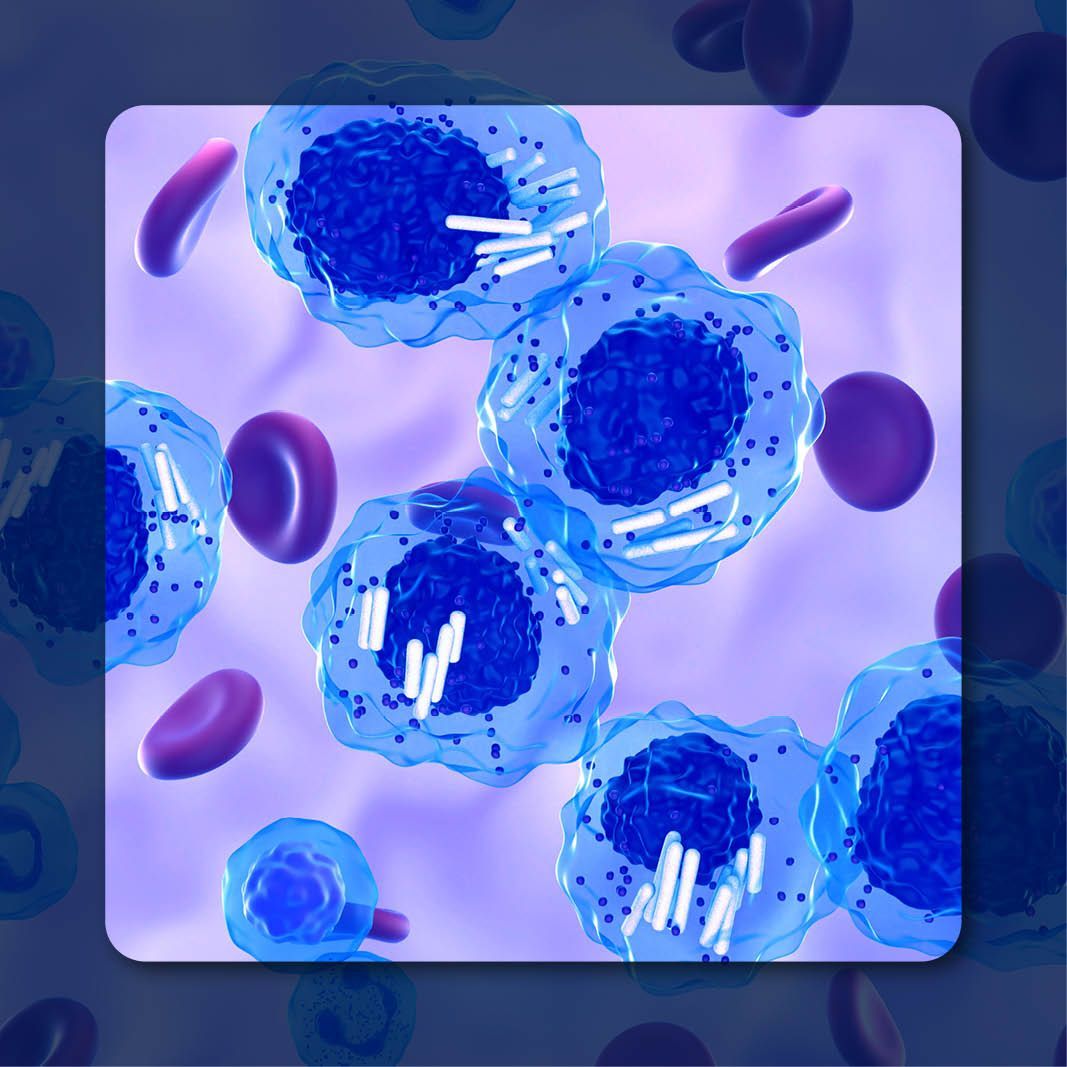
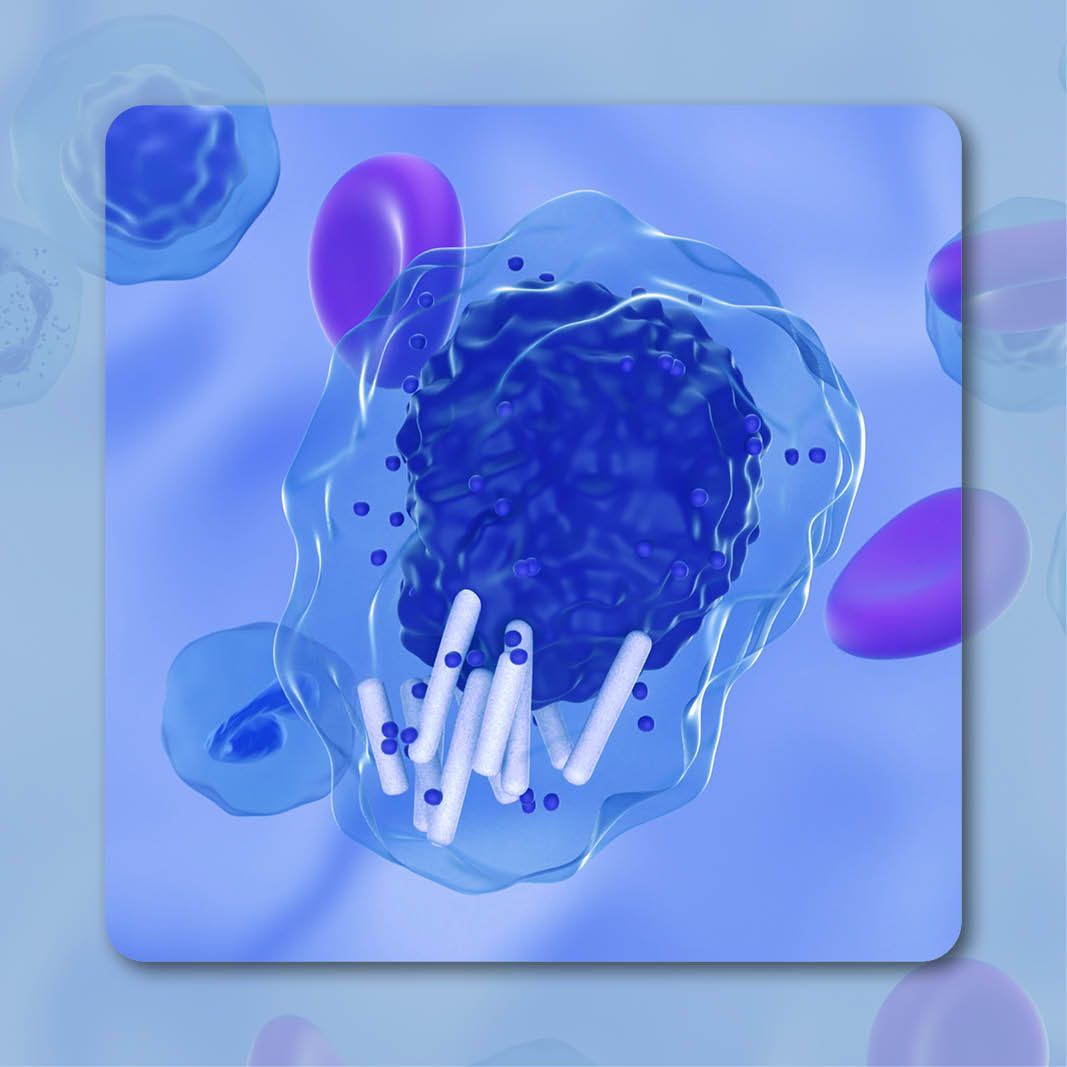

Chronic Lymphocytic Leukemia
Latest News

Advertisement
Latest Videos




























































Advertisement
More News

Nirav N. Shah, MD, MSHP, details how BTK degraders could fill an unmet need in pretreated CLL/SLL and highlights promising data seen with NX-5948.
Venetoclax-based treatment was associated with poorer outcomes in CLL previously treated with a BTK inhibitor and naive to chemotherapy.

Fixed-duration acalabrutinib combination improves PFS in CLL, imlunestrant ± abemaciclib boosts PFS in ESR1-mutated ER+ breast cancer, and more.

Pirtobrutinib improved progression-free survival in previously treated chronic lymphocytic leukemia and small lymphocytic lymphoma.
First-line pirtobrutinib plus venetoclax and obinutuzumab generated high uMRD6 remission rates among patients with chronic lymphocytic leukemia.
Sonrotoclax plus zanubrutinib produced responses and was well tolerated in previously untreated chronic lymphocytic leukemia/small lymphocytic lymphoma.

Second-generation BTK inhibitors were associated with a significantly lower incidence of cardiac adverse effects in B-cell malignancies.
Acalabrutinib plus venetoclax, with or without obinutuzumab, improved PFS over SOC chemoimmunotherapy in patients with treatment-naive CLL.
Single-agent, subcutaneous epcoritamab generated deep responses in patients with relapsed/refractory chronic lymphocytic leukemia.
Meaningful thresholds for interpreting changes in 3 EORTC QLQ-CLL17 domain scores have been identified in a PRO analysis of the TRANSCEND CLL 004 trial.
Here is your snapshot of all treatment options that the FDA cleared in November 2024 spanning tumor types.
In case you missed any, read a recap of every episode of OncLive On Air that aired in November 2024.
NX-5948 has received PRIME designation from the EMA for the treatment of relapsed or refractory chronic lymphocytic leukemia or small lymphocytic lymphoma.
An NDA for lisaftoclax in relapsed/refractory chronic lymphocytic leukemia or small lymphocytic lymphoma has been accepted for review.

The FDA has approved revised drug labeling for fludarabine phosphate under Project Renewal.

Daniel DeAngelo, MD, PhD, discusses how the shift away from chemotherapy has affected the management of chronic lymphocytic leukemia.
Nicole Lamanna, MD, highlights various clinical trials underway evaluating new treatment options for patients with chronic lymphocytic leukemia.
First-line zanubrutinib generated a longer PFS in treatment-naive chronic lymphocytic leukemia/small lymphocytic lymphoma vs relapsed/refractory disease.
Obe-cel wins FDA approval in relapsed/refractory B-cell ALL, FDA approval is sought for sunvozertinib in EGFR exon 20–positive NSCLC, and more.

David C. Fisher, MD, discusses pirtobrutinib resistance mechanisms that may develop during therapy in patients with CLL

Matthew Cortese, MD, MPH, details 2024/2025 updates to the NCCN guidelines for CLL/SLL and treatments to look forward to in the future.
Treatment with the third-generation anti-CD19 CAR T-cell therapy HD-CAR-1 is feasible and safe in heavily pretreated chronic lymphocytic leukemia.

Daniel DeAngelo MD, PhD, discusses the evolution of management strategies and treatment goals across several hematologic malignancies.

David C. Fisher, MD, discusses resistance mechanisms observed among patients with CLL who were previously treated with covalent BTK inhibitors.

David C. Fisher, MD, discusses the evolving role of BTK inhibitors in the CLL treatment paradigm.
Advertisement
Advertisement
Trending on OncLive
1
Adjuvant Giredestrant Preserves QOL With Sustained Tolerability in ER+, HER2– Early Breast Cancer
2
Arcotatug Tavatecan Improves Survival in CLDN18.2+ Advanced Gastric or GEJ Adenocarcinoma
3
Sacituzumab Govitecan Triplet Elicits Durable Responses in Treatment-Naive Metastatic Urothelial Cancer
4
Perioperative Enfortumab Vedotin Plus Pembrolizumab Improves ctDNA Clearance in Cisplatin-Eligible MIBC
5