

Chronic Lymphocytic Leukemia
Latest News
Advertisement
Latest Videos





















































Advertisement
More News
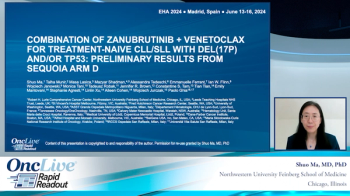
Preliminary results for treatment with zanubrutinib + venetoclax in patients with high-risk TN CLL/SLL with del(17p) and/or TP53 mutation showed Promising efficacy in a high-risk population with deep and durable responses according to data from arm D of the phase 3 SEQUOIA trial (NCT03336333).
A chronic lymphocytic leukemia expert examines patient criteria for first-line doublet therapy (venetoclax plus BTK inhibitor) versus triplet therapy, while also addressing findings from the CAPTIVATE trial.

Tycel Phillips, MD, discusses the evolution of treatment strategies for patients with either chronic lymphocytic leukemia or mantle cell lymphoma.

Moritz Fürstenau MD, discusses 4-year follow-up findings from the phase 3 GAIA/CLL13 trial in patients with CLL.
Experts on chronic lymphocytic leukemia detail how clinical trial data on doublet therapies help inform treatment decisions in the first line.
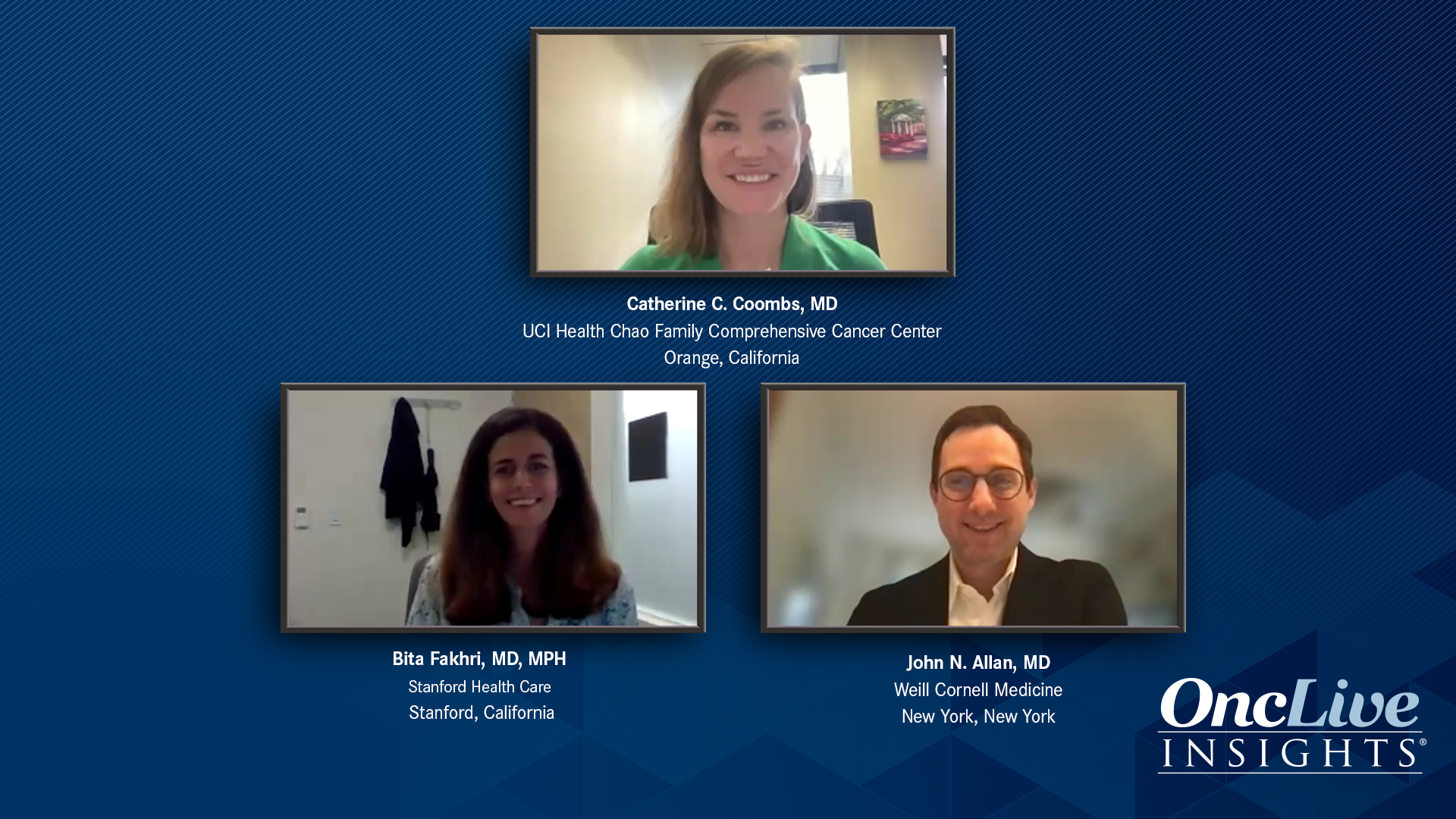
Focusing on the CLL13 and CLL14 studies, Bita Fakhri, MD, MPH, provides insights on the role of venetoclax-based first-line combination strategies and factors that inform treatment selection.
The panelists explore strategies for managing front-line chronic lymphocytic leukemia (CLL) treatment in patients with pre-existing hypertension and atrial fibrillation.
Key opinion leaders examine the use of continuous Bruton's tyrosine kinase inhibitor therapy in front-line treatment, strategies for sequencing therapies, and the potential incorporation of obinutuzumab into treatment regimens.
Orelabrutinib plus FCG led to undetectable MRD in all patients with untreated chronic lymphocytic leukemia who completed 12 cycles of therapy
Kathleen A. Dorritie, MD, discusses unmet needs regarding upfront treatment selection in chronic lymphocytic leukemia.
Catherine C. Coombs, MD, discusses the value of real-world data in informing the treatment of patients with chronic lymphocytic leukemia.
John N. Allan, MD, describes how he selects patients for first-line treatment with continuous BTK inhibitor therapy, referencing data from the RESONATE-2, ELEVATE-TN, and SEQUOIA studies.
Leading chronic lymphocytic leukemia specialists explore strategies for selecting initial treatments, weighing the merits of fixed-duration versus continuous Bruton's tyrosine kinase inhibitor (BTKi) therapy for newly diagnosed patients.
Key opinion leaders are introduced and present a concise overview of the topics to be addressed.
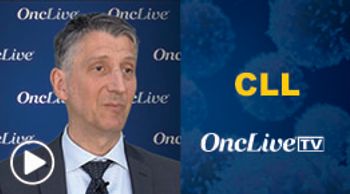
Paolo Ghia, MD, PhD, discusses long-term follow-up data from a pooled analysis evaluating the efficacy of acalabrutinib monotherapy in CLL.
Bita Fakhri, MD, MPH, outlines factors she considers when choosing between fixed-duration and continuous BTK inhibitor therapy and discusses how she approaches treatment discussions with patients.
A panel of experts on chronic lymphocytic leukemia (CLL) review a patient case and describe their initial impressions on treatment decisions.
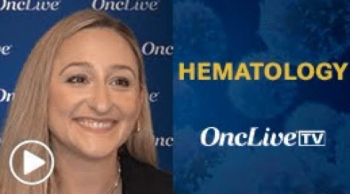
Allison Winter, MD, discusses unmet needs for patients with Richter transformation from CLL.

TP53 mutations have an adverse prognostic role in CLL, regardless of 17p deletion status, in the context of chemoimmunotherapy and targeted agents.
A survey of adult patients with chronic lymphocytic leukemia demonstrated that respondents preferred therapies that increased PFS vs other attributes.

The combination of sonrotoclax and zanubrutinib had a tolerable safety profile and led to durable responses in relapsed/refractory CLL/SLL.
Acalabrutinib and zanubrutinib monotherapy displayed better real-world safety and efficacy in chronic lymphocytic leukemia and small lymphocytic lymphoma compared with ibrutinib.
Lower disease burden improves response to liso-cel treatment in CLL/SLL, reports TRANSCEND CLL 004 trial.
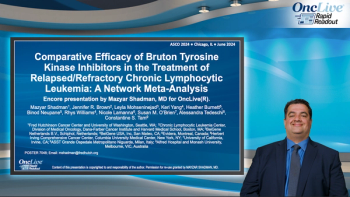
This is an evaluation of the results of a network meta-analysis covering the comparative efficacy of bruton tyrosine kinase Inhibitors in relapse/refractory chronic lymphocytic leukemia.

Treatment with FDA-approved CAR T-cell therapies for non-Hodgkin lymphoma was efficacious and feasible in patients with Richter transformation.
Advertisement
Advertisement
Trending on OncLive
1
Adjuvant Giredestrant Preserves QOL With Sustained Tolerability in ER+, HER2– Early Breast Cancer
2
Arcotatug Tavatecan Improves Survival in CLDN18.2+ Advanced Gastric or GEJ Adenocarcinoma
3
Sacituzumab Govitecan Triplet Elicits Durable Responses in Treatment-Naive Metastatic Urothelial Cancer
4
Perioperative Enfortumab Vedotin Plus Pembrolizumab Improves ctDNA Clearance in Cisplatin-Eligible MIBC
5