


Genitourinary Cancers
Latest News
Advertisement
Latest Videos




























































Advertisement
More News
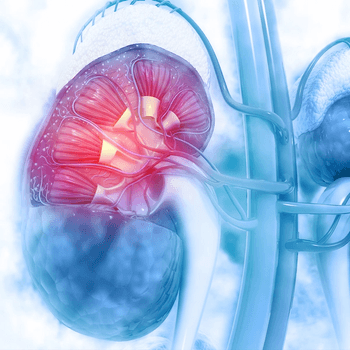
Tivozanib led to a more than doubled median duration of response compared with sorafenib in patients with metastatic renal cell carcinoma.

Avelumab as frontline maintenance plus best supportive care demonstrated a survival benefit compared with BSC alone across several previously unreported subgroups of patients with advanced urothelial cancer who have progressed on first-line platinum-containing chemotherapy.
Pembrolizumab was associated with a 32% reduction in the risk of disease recurrence or death compared with placebo as an adjuvant treatment for patients with clear cell renal cell carcinoma.
Dr. Rini discusses unique elements of the TIVO-3 trial, the significance of the FDA approval of tivozanib in advanced RCC, and potential next steps for research with the TKI in the paradigm.

Hans Hammers, MD, PhD, discusses the potential utility of HIF-2α inhibitors in renal cell carcinoma.

Innovative strategies are vital for patients diagnosed with rare cancers, who are frequently at a disadvantage compared with those who have more common malignancies, experts say.

Thomas Hutson, DO, PharmD, discusses key safety considerations with cabozantinib in patients with metastatic renal cell carcinoma.

Cell-free methylated DNA immunoprecipitation-sequencing uses plasma cell-free methylomes to detect and classify several types of cancer early on, and provides the opportunity to monitor tumors for response to treatment in noninvasive way.

Brian I. Rini, MD, discusses the results of an exploratory analysis of the phase 3 IMmotion151 trial in metastatic renal cell carcinoma.

Hans Hammers, MD, PhD, discusses the importance of assessing quality of life in renal cell carcinoma.

Daniel J. George, MD, discussed how tivozanib differs from other TKIs and its potential to fill an unmet need in the treatment of patients with renal cell carcinoma.

The FDA has granted priority review to applications that are seeking 2 approvals of pembrolizumab in combination with lenvatinib in advanced renal cell carcinoma and advanced endometrial carcinoma.
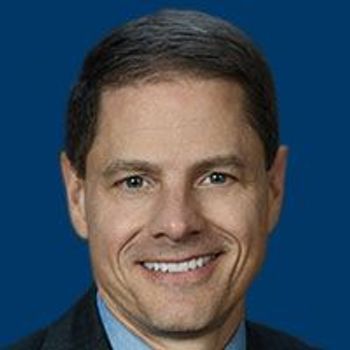
Brian I. Rini, MD, discusses the unique characteristics of tivozanib, how the FDA approval of the VEGF inhibitor is poised to further the advanced RCC paradigm, and the potential future utility of the agent.
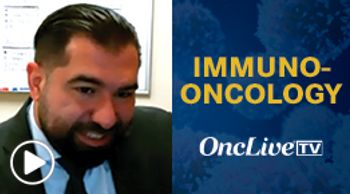
Arsen Osipov, MD, discusses the role of combination immunotherapy across multiple tumor types.

In patients with renal cell carcinoma, factors that determine whether a partial or full nephrectomy should be performed include tumor location and size, but efforts should be made to perform partial nephrectomies whenever possible to preserve kidney function.
In a 10 to 1 vote, the FDA’s Oncologic Drugs Advisory Committee voted to support the accelerated approval of atezolizumab for the frontline treatment of patients with cisplatin-ineligible locally advanced or metastatic urothelial carcinoma.
In a 5 to 3 vote, the FDA’s Oncologic Drugs Advisory Committee voted to uphold the accelerated approval of pembrolizumab for the frontline treatment of patients with cisplatin-ineligible and carboplatin-ineligible locally advanced or metastatic urothelial carcinoma.

Michael Devitt, MD, discusses utilizing PD-L1 status in biomarker-guided therapies for patients with bladder cancer.

The CheckMate 274 trial may have captured attention during the 2021 Genitourinary Cancers Symposium, but immunotherapy is not the only promising approach under study in urothelial carcinoma.

Brian I. Rini, MD, discusses the mechanism of action of tivozanib in relapsed/refractory renal cell carcinoma.

Atish D. Choudhury, MD, PhD, discusses future research directions for the combination of pembrolizumab and radium-223 dichloride in patients with metastatic castration-resistant prostate cancer.

The FDA’s Oncologic Drugs Advisory Committee is poised to move forward this week with a public review of 6 indications for immune checkpoint inhibitors granted under the agency’s accelerated approval process that later failed to reach thresholds for statistical significance for key end points in confirmatory clinical trials.
The safety and efficacy of nivolumab, both as a single agent and in combination with ipilimumab, is under investigation in patients with early-stage, high-risk renal cell carcinoma following radical or partial nephrectomy in the phase 3 CheckMate-914 trial.

The frontline treatment landscape of renal cell carcinoma is exploding with immunotherapy-based options.

When considering which frontline option to administer to a patient with renal cell carcinoma, it is important to first understand which risk group they belong to.
Advertisement
Advertisement
Trending on OncLive
1
Savolitinib Plus Osimertinib NDA Submitted to FDA for MET-Driven, EGFR-Mutated NSCLC After EGFR TKI
2
FDA Grants Priority Review to Elinzanetant for Endocrine Therapy–Associated Vasomotor Symptoms in HR+ Breast Cancer
3
Calculating the Real Cost of False Positive Findings in Cancer Screening
4
Cilta-Cel Shows Long-Term Treatment-Free Remissions in Lenalidomide-Refractory Myeloma
5