





Genitourinary Cancers
Latest News

Advertisement
Latest Videos

































































Advertisement
More News

A reduction in cabozantinib dosage because of toxicity demonstrated improved time to treatment failure and overall survival in patients with metastatic renal cell carcinoma.

Follow-up from the TIVO-3 trial showed that patients with pretreated relapsed/refractory renal cell carcinoma who received tivozanib were 5 times more likely to experience long-term progression-free survival compared with sorafenib.

Frontline tivozanib was noninferior to other tyrosine kinase inhibitors for the treatment of patients with metastatic renal cell carcinoma in a real-world setting.

Treatment with lenvatinib plus pembrolizumab was associated with a clinical benefit in advanced renal cell carcinoma, regardless of a patient’s biomarker status.
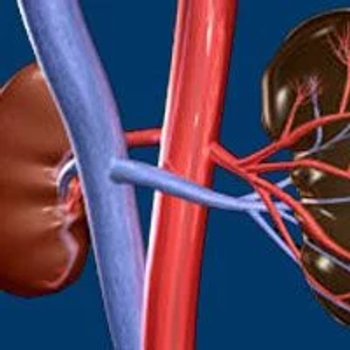
Treatment with cabozantinib (Cabometyx, Cometriq) in the second-line setting generated similar time-to-event end points and response rates in patients with advanced renal cell carcinoma, regardless of frontline immune-oncology combinations.

Updated data support the common use of cabozantinib in this setting without new safety signals in patients with metastatic renal cell carcinoma.

Fluorodeoxyglucose PET/CT and sodium fluoride PET/CT baseline functional imaging parameters and percent change in lesion number observed on follow-up imaging was linked with overall survival and found to be prognostic in patients with metastatic genitourinary cancers.

Ravi Munver, MD, discusses the utilization of mitomycin gel in genitourinary cancers.

Shared insight on the use of maintenance therapy in metastatic urothelial carcinoma with regard to PD-L1 testing and patient education.
Ignacio Duran, MD, PhD, reflects on the JAVELIN Bladder 100 trial, which analyzed avelumab as frontline maintenance therapy in metastatic urothelial carcinoma.
Considerations for the role of immunotherapy in metastatic urothelial carcinoma as maintenance or switch therapy.
Expert perspective on the current treatment paradigm of metastatic urothelial carcinoma across different regions of the world.

The combination of nivolumab and cabozantinib was associated with improved quality of life compared with sunitinib in patients with previously untreated advanced renal cell carcinoma, according to patient-reported outcome data from the phase 3 CheckMate-9ER trial.

The FGFR TKI erdafitinib continued to provide consistent clinical benefits with a manageable safety profile when used in the second-line treatment of patients with locally advanced or metastatic urothelial carcinoma harboring FGFR alterations.

Matthew Galsky, MD, discusses clinical trials that addressed key questions in urothelial cancer.

Over a 42-month period, the combination of nivolumab and ipilimumab induced a longer treatment-free survival compared with sunitinib (Sutent) when used as frontline therapy in patients with advanced renal cell carcinoma.

Ziad Bakouny, MD, MSc, discusses understanding the biology of translocation renal cell carcinoma.

Sarah Elizabeth Yentz, MD, discusses translating data to real-world clinical practice in renal cell carcinoma.
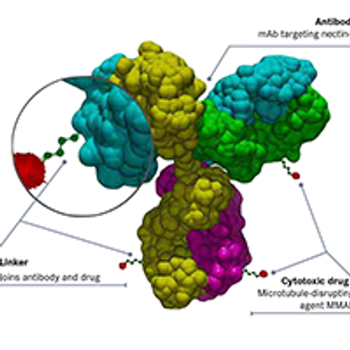
Most ongoing clinical trials exploring nectin-4 as a target involve studies of enfortumab vedotin and its potential synergy with immune checkpoint inhibitors in bladder cancer, while several other early-phase studies are testing novel agents in solid tumors.

Matthew Galsky, MD, discusses the evolution of standard of care treatment options in urothelial carcinoma.

A new drug application has been submitted to the FDA seeking the marketing approval of dovitinib as a potential option in the third-line treatment of patients with renal cell carcinoma.

The European Medicines Agency’s Committee for Medicinal Products for Human Use has recommended the approval of single-agent pembrolizumab for use as an adjuvant treatment in adult patients with renal cell carcinoma who are at increased risk of recurrence after nephrectomy, or following nephrectomy and the resection of metastatic lesions.

The European Medicines Agency’s Committee for Medicinal Products for Human Use has adopted a positive opinion in favor of the approval of enfortumab vedotin as a monotherapy in the treatment of adult patients with locally advanced or metastatic urothelial cancer.
Pembrolizumab demonstrated a statistically significant and clinically meaningful improvement in disease-free survival vs placebo as a postnephrectomy adjuvant therapy in patients with renal cell carcinoma at intermediate-high or high risk of recurrence, and in those who are M1 with no evidence of disease.

Dr. Choueiri discusses the significance of the FDA approval of pembrolizumab as adjuvant therapy in renal cell carcinoma and key data from the pivotal phase 3 KEYNOTE-564 trial.
Advertisement
Advertisement
Trending on OncLive
1
Savolitinib Plus Osimertinib NDA Submitted to FDA for MET-Driven, EGFR-Mutated NSCLC After EGFR TKI
2
FDA Grants Priority Review to Elinzanetant for Endocrine Therapy–Associated Vasomotor Symptoms in HR+ Breast Cancer
3
Calculating the Real Cost of False Positive Findings in Cancer Screening
4
China's NMPA Approves Pirtobrutinib Across CLL
5