




Genitourinary Cancers
Latest News
Advertisement
Latest Videos































































Advertisement
More News
Factors oncologists should consider prior to selecting a novel treatment approach for metastatic renal cell carcinoma.
Variables that impact one’s decision to treat metastatic renal cell carcinoma with an immunotherapy-based regimen that includes a targeted agent vs additional immunotherapy.

FDA Issues a Complete Response Letter for Retifanlimab for Squamous Cell Carcinoma of the Anal Canal
The FDA has issued a complete response letter to Incyte Corporation stating that it cannot approve the biologics license application for retifanlimab for use in adult patients with locally advanced or metastatic squamous cell carcinoma of the anal canal who have progressed on, or who are intolerant of, platinum-based chemotherapy, in its present form.

Brain imaging should be considered for patients with advanced or metastatic renal cell carcinoma who have a high metastatic burden and who have progressed after treatment with first-line therapies.

Robert J. Motzer, MD, discusses the importance of assessing health-related quality of life in renal cell carcinoma.
Recommendations for dosing targeted therapy-immunotherapy combinations used to treat patients with metastatic renal cell carcinoma.
Characteristics that distinguish the CLEAR trial of lenvatinib plus pembrolizumab as frontline therapy for metastatic renal cell carcinoma from other pivotal trials of immunotherapy plus tyrosine kinase inhibitors.
Robert S. Alter, MD, provides key takeaways from the CheckMate 9ER study of nivolumab plus cabozantinib as frontline therapy for patients with metastatic renal cell carcinoma.
Thomas Powles, MD, MBBS, MRCP, describes the KEYNOTE-426 trial in frontline metastatic renal cell carcinoma and comments on the use of pembrolizumab plus axitinib for appropriate patients.

Treatment with darolutamide induced a low cumulative incidence of hormone treatment–related adverse effects that was comparable to treatment with placebo in patients with nonmetastatic castration-resistant prostate cancer, according to findings from a safety analysis of the phase 3 ARAMIS trial.

The FDA has granted a regular approval to enfortumab vedotin-ejfv and has expanded the agent's indication to include adult patients with locally advanced or metastatic urothelial cancer who are ineligible for cisplatin-containing chemotherapy and who have received 1 or more prior lines of therapy.

The provision of urologic care underwent a significant decline during the height of the COVID-19 pandemic across all demographic groups and practice settings in the United States, regardless of the timing of stay-at-home order mandates.

Robert J. Motzer, MD, discusses the efficacy and health-related quality of life benefits of lenvatinib/pembrolizumab in patients with advanced RCC, and projected where the regimen might fit into the treatment paradigm.
Amishi Y. Shah, MD, comments on the significance of updated survival data revealed by the CheckMate 214 study using the combination of ipilimumab plus nivolumab as frontline therapy for metastatic renal cell carcinoma.
Dr. Sandy Srinivas comments on treatment approaches for frontline metastatic renal cell carcinoma based on the emergence of novel combination regimens that introduce immunotherapy.

Novel therapeutic strategies are poised to expand in adjuvant settings for patients with early-stage disease facing recurrence risks in the treatment paradigms for a range of tumor types after positive data from large phase 3 clinical trials were highlighted at the 2021 American Society of Clinical Oncology Annual Meeting

The combination of the GAS6/AXL inhibitor AVB-500 and cabozantinib has demonstrated acceptable tolerability when used in the treatment of patients with clear cell renal cell carcinoma.

In a 13 to 4 vote, the FDA’s Oncologic Drugs Advisory Committee chose to hold off on a decision regarding accelerated approval for retifanlimab for the treatment of patients with locally advanced or metastatic squamous carcinoma of the anal canal who have progressed on or are intolerant of platinum-based chemotherapy.
Nizar Tannir, MD, FACP, discusses the results of the phase 2 CANTATA trial with telaglenastat plus cabozantinib and future research directions for the glutaminase inhibitor.

Renal cell carcinoma is one of the top 10 most common cancers, although incidence rates have been stable over the past decade. It is more common in men than women and rates are higher among African American, American Indian, and Alaska Native patient populations.

The hypoxia-inducible factor-2 alpha inhibitor belzutifan maintained clinical efficacy with further follow-up in patients with Von-Hippel Lindau–associated renal cell carcinoma, as well as other VHL-associated neoplasms.

Cabozantinib exposure was not significantly associated with progression-free survival but appeared to predict high rates of palmar-plantar erythrodysesthesia and diarrhea in patients with advanced renal cell carcinoma treated with the frontline combination of cabozantinib and nivolumab.

The addition of lenvatinib to pembrolizumab elicited a notable survival benefit and improved responses over single-agent sunitinib in patients with advanced renal cell carcinoma across evaluable International Metastatic RCC Database Consortium risk subgroups.

The combination of pembrolizumab and cabozantinib induced a response in more than half of patients with metastatic renal cell carcinoma at the recommended phase 2 dose with a manageable safety profile, meeting the primary end point of a phase 1/2 trial.
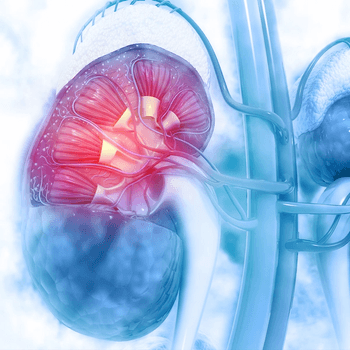
Subsequent systemic therapies were found to impact overall survival outcomes with lenvatinib plus everolimus versus sunitinib in patients with advanced renal cell carcinoma who received treatment in the phase 3 CLEAR trial.
Advertisement
Advertisement
Trending on OncLive
1
Savolitinib Plus Osimertinib NDA Submitted to FDA for MET-Driven, EGFR-Mutated NSCLC After EGFR TKI
2
FDA Grants Priority Review to Elinzanetant for Endocrine Therapy–Associated Vasomotor Symptoms in HR+ Breast Cancer
3
Calculating the Real Cost of False Positive Findings in Cancer Screening
4
Cilta-Cel Shows Long-Term Treatment-Free Remissions in Lenalidomide-Refractory Myeloma
5