



Gynecologic Oncology
Latest News

Survivin-Targeted T-Cell Therapy Shows Durable Activity in Advanced Recurrent Ovarian Cancer
By Kristi Rosa
Advertisement
Latest Videos



CME Content

































Advertisement
More News

Targeted therapy approaches have expanded rapidly in ovarian cancer over the past 3 years, with the FDA approving 4 new strategies in frontline settings that allow women to remain free of disease progression longer than the previous standard of care.
The phase 3 SIENDO study, which is evaluating maintenance selinexor in endometrial cancer, has been recommended by the Data and Safety Monitoring Board to continue as previously planned without the need to add additional patients to the trial or amend the study protocol, following a prespecified interim futility analysis.

November 21, 2020 — Maintenance niraparib, when administered at an individualized starting dose, led to a 70% reduction in the risk of disease progression or death compared with placebo in Chinese patients with recurrent ovarian cancer who were in a complete or partial response to platinum-based chemotherapy.

The management of carcinoma of the cervix represents a remarkable dichotomy.

The European Union has approved olaparib in combination with bevacizumab for use as a first-line maintenance treatment in patients with homologous recombination deficient–positive advanced ovarian cancer.

Ursula Matulonis, MD, highlights immunotherapy agents have demonstrated moderate clinical activity for patients with gynecologic cancers, however they fail to yield significant response rates in both the newly-diagnosed and recurrent settings.

Ritu Salani, MD, MBA, discusses therapeutic advances in endometrial cancer.
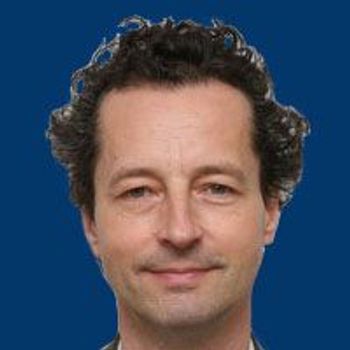
Gottfried E. Konecny, MD, discusses potential strategies to overcome PARP resistance, future combinations with PARP inhibitors, and other unmet needs in ovarian cancer.

Despite solid evidence that human papillomavirus vaccination is remarkably effective in preventing persistent infection by HPV types that are known to be responsible for more than 70% to 80% of cervical cancer cases worldwide, this strategy’s utility in substantially reducing the subsequent development of the malignancy itself remained an open question.

Ritu Salani, MD, MBA, discusses updates to PARP inhibition and FRα-targeting agents in ovarian cancer, the role of bevacizumab across all lines of ovarian cancer therapy, and immunotherapy highlights in cervical and endometrial cancer.
Mae Zakhour, MD, discusses the rise of PARP inhibitors as frontline maintenance therapy in advanced ovarian cancer and the key data that supported these regulatory decisions.

Susana Banerjee, MBBS, MA, PhD, FRCP, discusses the significance of the landmark SOLO-1 analysis and outlined the next steps for research with regard to PARP inhibition in ovarian cancer.

The European Commission has approved niraparib for use as a frontline monotherapy maintenance option in adult patients with advanced epithelial, high-grade ovarian, fallopian tube, or primary peritoneal cancer who are in complete or partial response after platinum-based chemotherapy.

Amanda L. Jackson, MD, discusses choosing between VEGF inhibitors and PARP inhibitors in the treatment of patients with recurrent platinum-sensitive ovarian cancer.

Nicole Concin, MD, discusses the patient population that enrolled in the phase 1b/2 LIO-1 trial in advanced gynecologic malignancies.
Anna Giuliano, PhD, discusses the work efforts to advance the reach of preventive vaccines and cancers, and the challenges researchers are facing in the process.

Sofia D. Merajver, MD, PhD, discusses the importance of germline testing in patients with breast and ovarian cancer along with how this testing is being used to personalize treatment.

Maintaining sexual function is often low on the list of priorities for a woman recently diagnosed with a gynecologic cancer, but raising the subject early in her treatment course may make the patient more willing to engage in a discussion as her care progresses.

Nicole Concin, MD, discusses the rationale for the phase 1/2 LIO-1 trial in advanced gynecologic malignancies.
Erika P. Hamilton, MD, highlights initial findings from the ongoing phase 1b/2 LIO-1 trial in advanced metastatic tumors.
Rebecca Kristeleit, BSc, MBChB, MRCP, PhD, discusses the importance of patient-reported outcomes in the phase 1 GARNET trial in advanced or recurrent mismatch repair deficient/microsatelite instability-high endometrial cancer.

Caroline Billingsley, MD, spoke to established and emerging treatment modalities in ovarian cancer and the successes and pitfalls of key clinical trials of antibody-drug conjugates and immunotherapy in this space.
Amanda L. Jackson, MD, , discusses the role of PARP inhibitors in the maintenance treatment of patients with recurrent platinum-sensitive ovarian cancer.
Thomas Herzog, MD, discusses the data that have cast PARP inhibitors into the forefront of treatment in the up-front management of patients with advanced ovarian cancer.

Michael Guy, MD, discusses pivotal trials that have helped to define the role of secondary cytoreductive surgery in recurrent ovarian cancer.
Advertisement
Advertisement
Trending on OncLive
1
Single-Center, Retrospective Data Show Low Rate of Lifileucel Infusion Following Referral in Advanced Melanoma
2
Real-World Data Support Clinical Benefit With Lifileucel in Previously Treated Advanced Melanoma
3
Long-Term Cilta-Cel Data Show Low Rates of PFS Events in Standard-Risk R/R Myeloma
4
Dr Riedell on the Long-Term Efficacy of Tisa-Cel in R/R Follicular Lymphoma
5