



Hematologic Oncology
Latest News

FDA Lifts Partial Clinical Hold on TakeAim Lymphoma Trial Evaluating Emavusertib in B-cell Malignancies
By Chris Ryan
Advertisement
Latest Videos



















































Advertisement
More News
A brief review of how the management of patients with immune thrombocytopenia has been impacted by the COVID-19 pandemic.

The FDA has approved betibeglogene autotemcel (Zynteglo) for the treatment of adult and pediatric patients with beta-thalassemia who require regular red blood cell transfusions.

Won Seog Kim, MD, PhD, discusses the potential clinical role of Anbalcabtagene autoleucel in relapsed/refractory diffuse large B-cell lymphoma and the continued evolution of CAR T-cell therapy.

Raul Cordoba, MD, PhD, discussed the efficacy and safety findings from cohort 4 of the EPCORE NHL-2 trial, the benefits observed with epcoritamab monotherapy in patients who did not proceed to transplant, and what the addition of epcoritamab to R-DHAX/C could mean for patients with relapsed/refractory DLBCL.

Saad Z. Usmani, MD, MBA, FACP, discusses key efficacy findings that support the use of teclistamab in patients with relapsed/refractory multiple myeloma who have had prior exposure to BCMA-targeted agents.
Following their review of available treatment for steroid refractory chronic GVHD, experts consider how they would optimally select and sequence therapy.
Comprehensive discussion on each of the 3 standard-of-care treatment options for patients with steroid refractory chronic GVHD.

Single-agent tolinapant generated promising response rates with a manageable safety profile in patients with relapsed/refractory peripheral T-cell lymphoma and cutaneous T-cell lymphoma, according to data from the phase 2 ASTX660-01 trial.

CC-99282 Demonstrates Manageable Safety Profile, Elicits Favorable Responses in Non-Hodgkin Lymphoma
Jean-Marie Michot, MD, discusses the methods and rationale for the CC-99282-NHL-001 study.
Experts consider how treatment duration can impact patient outcomes in immune thrombocytopenia and discuss discontinuation of TPO-Ras.
Comprehensive discussion on nuancing the risk of thrombosis with thrombopoietin receptor agonists in immune thrombocytopenia.
Drs Luger, Roboz, and Stock discuss the issues that were most prominent in leukemia treatment when they began their careers and what motivated them to continue to work toward progress in the field even when treatment outcomes were dismal. They also share their experiences with being women in their chosen career paths, such as how their gender has influenced their professional and personal decisions, as well as how they interact with and support other female colleagues.
The panelists share their approach to the treatment and work-up of patients who require salvage therapy.
An overview of the frontline treatment armamentarium for patients diagnosed with chronic graft versus host disease.
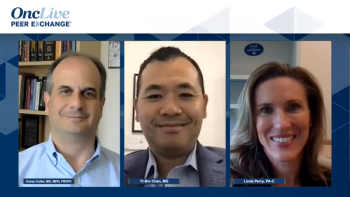
Shifting their focus to chronic graft versus host disease, panelists emphasize the importance of early identification and diagnosis.
Experts in lymphoma take part in a discussion on supportive care for patients who receive CAR T-cell therapy.

Amrita Krishnan, MD, discusses emerging data on bispecific antibodies, the exploration of the antibody-drug conjugate belantamab mafodotin, and the challenges of delivering CAR T-cell therapy in the right setting to the appropriate patients with multiple myeloma.
Hervé Tilly, MD, PhD, discusses the efficacy of polatuzumab vedotin-piiq plus rituximab, cyclophosphamide, doxorubicin, and prednisone in an Asia subpopulation of patients with diffuse large B-cell lymphoma.

Shannon L. Maude, MD, PhD, discusses notable long-term safety data with tisagenlecleucel in pediatric patients with acute lymphoblastic leukemia.
The FDA has approved a new tablet formulation of acalabrutinib for all current indications, including adult patients with chronic lymphocytic leukemia, small lymphocytic lymphoma, and for those with relapsed or refractory mantle cell lymphoma.
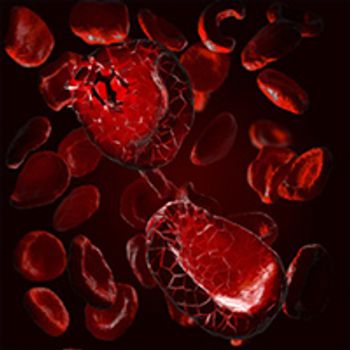
The combination of azacitidine and quizartinib produced preliminary responses in patients with myelodysplastic syndrome and myelodysplastic syndrome/myeloproliferative neoplasms whose tumors harbored FLT3 or CBL mutations, according to data from a phase 1/2 trial (NCT04493138).
Xavier Leleu, MD, PhD, discusses how the declining prognosis of patients with multiple myeloma correlates with line of therapy and time after diagnosis, highlighting an unmet need for more effective later-line therapies in this population.
Considerations for the uptake and use of romiplostim, an injectable thrombopoietin receptor agonist, in immune thrombocytopenia.
A commentary on clinical experience with avatrombopag, another oral TPO-RA, in treating ITP.

Ropeginterferon alfa-2b produced durable complete hematologic responses without phlebotomy and showcased a consistent safety profile in Japanese patients with polycythemia vera, according to findings from a phase 2 study (NCT04182100) presented during the 2022 EHA Congress.
Advertisement
Advertisement
Trending on OncLive
1
FDA Approves Zidesamtinib in Pretreated ROS1+ NSCLC
2
Sacituzumab Govitecan Yields Responses in Platinum-Resistant Ovarian Cancer
3
Ivonescimab Plus Chemotherapy Sustains OS Benefit Across Western and Asian Patients in Pretreated EGFR-Mutated NSCLC
4
Dr Mardones on Giredestrant Plus Palbociclib in Estrogen Receptor+ Breast Cancer
5