



Hematologic Oncology
Latest News
Advertisement
Latest Videos





















































Advertisement
More News
Glofitamab, an investigational CD20xCD3 T-cell engaging bispecific antibody, demonstrated promising results in patients with relapsed/refractory diffuse large B-cell lymphoma who received at least 2 prior lines of therapy.
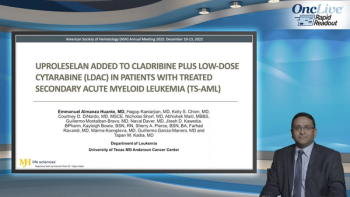
Tapan M. Kadia, MD evaluates the use of uproleselan, an E-selectin antagonist, in combination with LDAC and Cladribine in patients with treated secondary acute myeloid leukemia.

Alexander E. Perl, MD, MS, discusses the implications of the updated ELN guidelines, how genetic testing guides treatment in this disease, and ongoing research investigating novel AML targets such as NPM1 mutations or KMT2A translocations.
Joshua Brody, MD, discusses unmet needs in patient subgroups within Hodgkin lymphoma, recent advancements in the use of antibody-drug conjugates such as brentuximab vedotin and anti–PD-1 therapies in earlier lines of therapy, and future avenues for expanding the use of immunotherapy in this tumor type.
Dr Leif Stenke reviews data on XS004 in patients with chronic myeloid leukemia (CML) that were recently presented at the 2022 American Society of Hematology (ASH) Annual Meeting.
Ran Reshef, MD, discusses findings from the phase 3 BMT CTN 1703 trial examining graft-vs-host disease prophylaxis in reduced intensity conditioning.
Regis Peffault de Latour, MD, PhD, discusses the benefit observed with iptacopan vs standard-of-care eculizumab or ravulizumab in patients with paroxysmal nocturnal hemoglobinuria and residual anemia during the phase 3 APPLY-PNH trial.

Administration of cyclophosphamide, tacrolimus, and mycophenolate mofetil improved 1-year GVHD relapse-free survival compared with tacrolimus plus methotrexate in patients with hematologic malignancies undergoing reduced intensity conditioning allogeneic hematopoietic cell transplantation.
Olverembatinib elicited encouraging responses and tolerability in US patients with ponatinib-resistant chronic myeloid leukemia, Philadelphia chromosome-positive acute lymphoblastic leukemia, and in patients with CML whose tumors have a T315I mutation.

Blinatumomab followed by consolidation chemotherapy led to a 58% reduction in the risk of death compared with standard consolidation chemotherapy alone in adult patients with newly diagnosed minimal residual disease–negative B-cell acute lymphoblastic leukemia.
Birtamimab demonstrated a significant survival benefit in patients with Mayo Stage IV amyloid light chain amyloidosis at month 9.
Max S. Topp, MD, discusses the efficacy of the combination of glofitamab plus R-CHOP from a phase 1 trial done in previously untreated patients with diffuse large B-cell lymphoma.

Updated results from the ongoing phase 2 BGB-3111-215 trial showed that zanubrutinib provided clinically meaningful benefit to a large majority of efficacy-evaluable patients with B-cell malignancies who were intolerant to acalabrutinib.
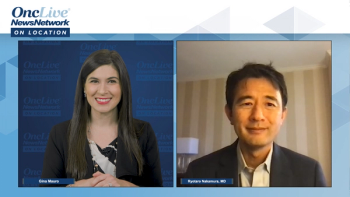
In this episode, OncLive® speaks with Dr. Noopur Raje on developments in multiple myeloma, Dr. Ryotaro Nakamura on data related to graft-vs-host disease, and Dr. Joshua Brody on the latest in non-Hodgkin lymphoma.
Jeremy Abramson, MD, discusses the efficacy data of second-line lisocabtagene maraleucel vs standard-of-care salvage chemotherapy followed by autologous stem cell transplant from the phase 3 TRANSFORM trial done in patients with relapsed/refractory large B-cell lymphoma.
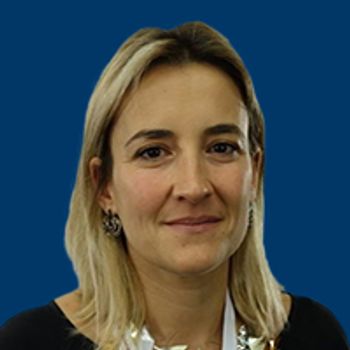
Low doses of lenalidomide prolonged time to and decreased the risk of transfusion dependency and induced quality clonal responses with no increases in progression rate or clonal evolution in patients with low-risk myelodysplastic syndrome.

Tisagenlecleucel produced durable responses in patients with relapsed/refractory follicular lymphoma, including those with high-risk disease characteristics.
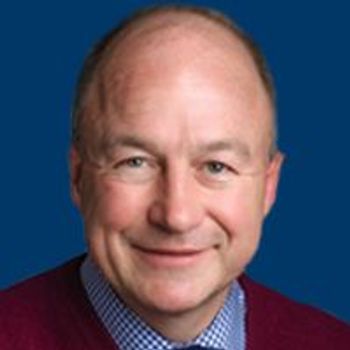
Mezigdomide showed notable clinical activity and a manageable safety profile when combined with dexamethasone in patients with triple-class relapsed or refractory multiple myeloma.

The addition of magrolimab to azacitidine and venetoclax produced high complete response rates and was well tolerated as first-line therapy in patients with high-risk de novo and secondary acute myeloid leukemia regardless of TP53 mutation status.

Crovalimab led to rapid and stable hemolysis control and transfusion avoidance, with no new safety signals, in Chinese patients with paroxysmal nocturnal hemoglobinuria.

Zanubrutinib sustained high response rates and led to durable disease control with low incidence of hypertension and atrial fibrillation in patients with relapsed/refractory marginal zone lymphoma, according to findings from the final analysis of the phase 2 MAGNOLIA trial.
Ziftomenib monotherapy had a manageable toxicity profile and provided pronounced antileukemic activity when given at a 600-mg dose in heavily pretreated patients with relapsed or refractory acute myeloid leukemia.
OncLive® will be LIVE with OncLive® News Network: On Location at the 2022 ASH Annual Meeting. Each day, we will broadcast a series of interviews with top thought leaders, to learn their thoughts and reactions to data presented across hematologic oncology during the conference.
Mazyar Shadman, MD, MPH, discusses the examination of zanubrutinib in patients with B-cell malignancies who were intolerant to acalabrutinib.
Advertisement
Advertisement
Trending on OncLive
1
FDA Approves Zidesamtinib in Pretreated ROS1+ NSCLC
2
Sacituzumab Govitecan Yields Responses in Platinum-Resistant Ovarian Cancer
3
Ivonescimab Plus Chemotherapy Sustains OS Benefit Across Western and Asian Patients in Pretreated EGFR-Mutated NSCLC
4
Dr Mardones on Giredestrant Plus Palbociclib in Estrogen Receptor+ Breast Cancer
5