


Hematologic Oncology
Latest News

Advertisement
Latest Videos



















































Advertisement
More News
Ann S. LaCasce, MD, MMSC, explains how bretuximab vedotin has produced a survival benefit in patients with advanced classic Hodgkin lymphoma.
Tycel Jovelle Phillips, MD, discusses the role of p53 mutations in the outcomes of patients with mantle cell lymphoma.
Avyakta Kallam, MBBS, discusses the role of BTK and PI3K inhibitors in the treatment of patients with central nervous system lymphoma.
Neha Mehta-Shah, MD, MSCI, discusses variations of CHOP-based chemotherapy in peripheral T-cell lymphoma.
Single-agent mosunetuzumab produced a complete response rate that was greater than what has been observed with historical controls in patients with relapsed/refractory follicular lymphoma who had received at least 2 prior lines of therapy, meeting the primary end point of the expansion portion of the phase 1/2 GO29781 trial.
Brad S. Kahl, MD, discusses current best practices for the treatment of older patients with mantle cell lymphoma, as well as where the treatment paradigm might lead in the future.
Brad S. Kahl, MD, explains the evolution of mantle cell lymphoma treatment over the past decade and lays out the trajectory for future therapies, including the potential benefits of lenalidomide in the maintenance setting.
Zanubrutinib was found to significantly improve progression-free survival over a doublet comprised of bendamustine plus rituximab in patients with treatment-naïve chronic lymphocytic leukemia and small lymphocytic lymphoma, according to data from cohort 1 of the phase 3 SEQUOIA trial.
The CAR T-cell therapy CB-010 displayed promising preliminary efficacy and safety results in patients with relapsed/refractory B-cell non-Hodgkin lymphoma according to findings from the phase 1 ANTLER trial presented during the 2022 Pan Pacific Lymphoma Meeting.

Polatuzumab vedotin, in combination with rituximab, cyclophosphamide, doxorubicin, and prednisone, induced a 27% reduction in relative risk for disease progression, relapse, or death for patients with newly diagnosed diffuse large B-cell lymphoma.

Integrating the lived experiences of patients with relapsed or refractory diffuse-large B-cell lymphoma into treatment-decision making should be a priority for practicing oncologists.
Pirtobrutinib demonstrated potent antitumor activity and a low incidence of adverse effects in patients with BTK-pretreated and -naïve mantle cell lymphoma.
Treatment with zanubrutinib maintained or improved response without an increase in acalabrutinib intolerance events in patients with previously treated B-cell malignancies.
Neha Mehta-Shah, MD, MSCI, discusses frontline therapies in peripheral T-cell lymphoma, highlighting the current treatment landscape and the need to explore more treatment options in clinical trials.

Avyakta Kallam, MBBS, discusses the benefits and shortcomings of the current standard of care in central nervous system lymphoma and expressed the importance of studying frontline targeted agents in this population.
Focusing on acute graft versus host disease, panelists consider tools and methods that help to overcome challenges in making a differential diagnosis.
Expert perspectives on how best to educate patients and caregivers on graft versus host disease symptoms and quality of life.
Pirtobrutinib continued to produce promising responses in heavily pretreated patients with chronic lymphocytic leukemia or small lymphocytic lymphoma, irrespective of BTK C481 mutation status, reason for prior BTK inhibitor discontinuation, or other classes of previous therapy received.
Focusing on second-line systemic agents in immune thrombocytopenia, experts review the historical use of rituximab therapy.
Panelists consider when they would select splenectomy over second-line systemic therapy in patients with immune thrombocytopenia.
Shared insight from expert oncologists on key clinical trial data in lymphomas from the ASCO 2022 and EHA 2022 Annual Meetings.
Expert oncologist perspectives on key clinical trial data in acute lymphocytic leukemia from the ASCO 2022 and EHA 2022 Annual Meetings.
Findings from a phase 1b trial showed that the addition of obinutuzumab to ibrutinib produced a complete response rate that compared favorably with what has historically been observed with ibrutinib monotherapy in patients with relapsed or refractory chronic lymphocytic leukemia.
Camidanlumab tesirine induced an overall response rate of 70.1% in heavily pretreated patients with relapsed or refractory classical Hodgkin lymphoma who previously received brentuximab vedotin and a PD-1 blockade with or without stem cell transplant.
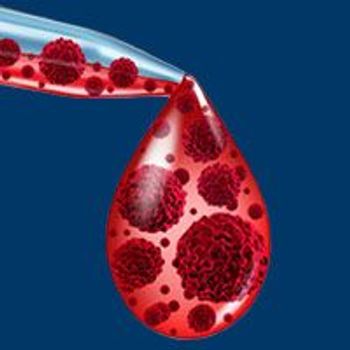
Despite receiving similar treatment, Black patients between the ages of 18 and 29 years with acute myeloid leukemia were twice as likely to die within 5 years compared with Whites.
Advertisement
Advertisement
Trending on OncLive
1
FDA Approves Zidesamtinib in Pretreated ROS1+ NSCLC
2
Sacituzumab Govitecan Yields Responses in Platinum-Resistant Ovarian Cancer
3
Ivonescimab Plus Chemotherapy Sustains OS Benefit Across Western and Asian Patients in Pretreated EGFR-Mutated NSCLC
4
Dr Mardones on Giredestrant Plus Palbociclib in Estrogen Receptor+ Breast Cancer
5