

Immuno-Oncology
Latest News

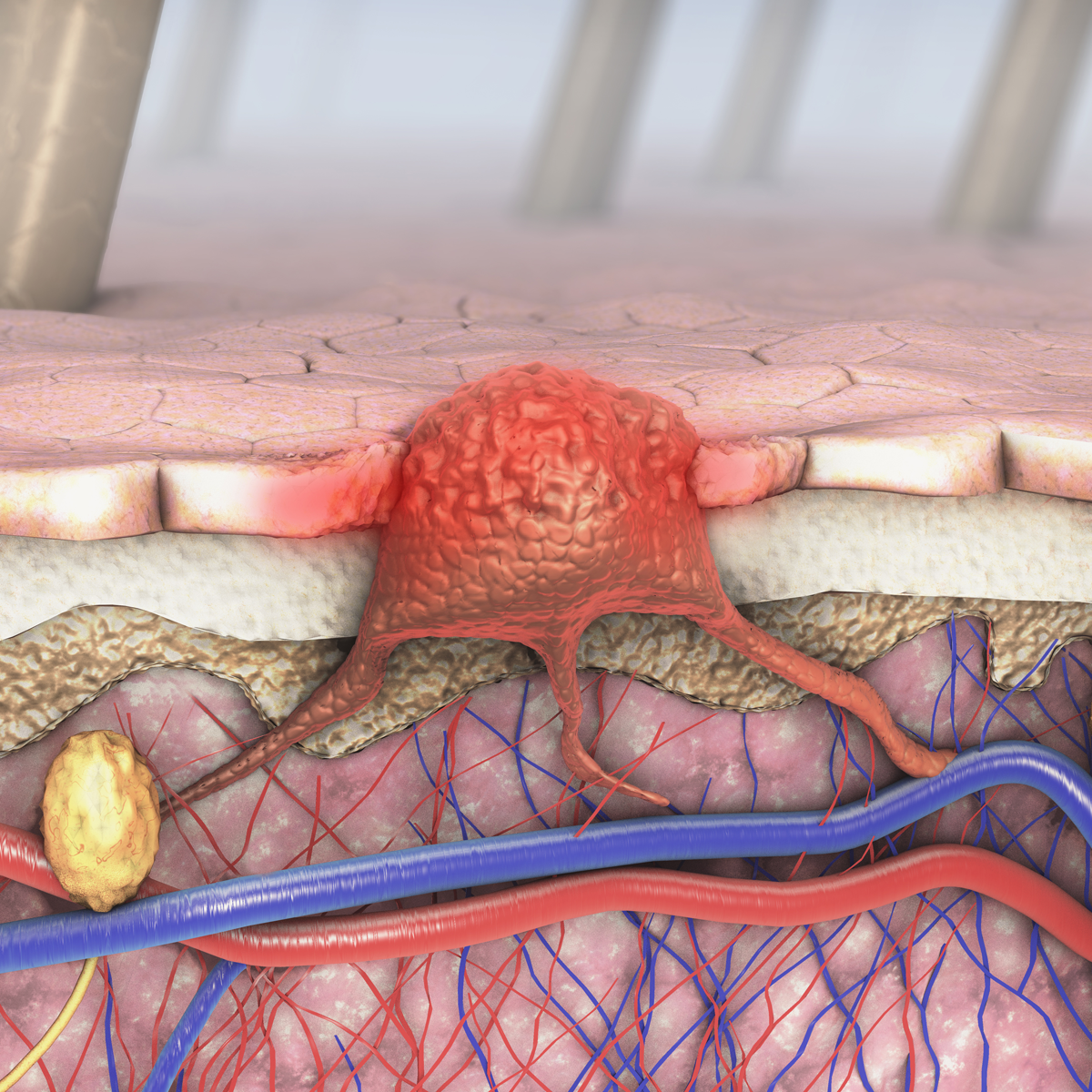
Cabozantinib/Pembrolizumab Trial Poised to Improve Efficacy, Safety in Advanced Melanoma
By Gina Mauro

KEYNOTE-598 Trial Examining Pembrolizumab/Ipilimumab in NSCLC Stopped for Futility
By Kristi Rosa
Advertisement
Latest Videos































































Advertisement
More News
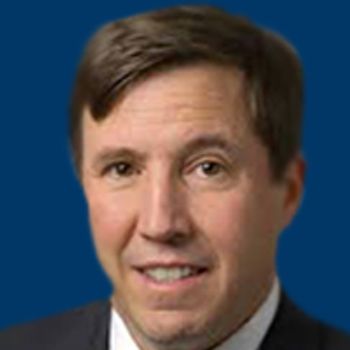
JTCC and Georgetown’s Alliance in Cancer Research Achieves New Level With Immunotherapy Breakthrough
It was 5:00 PM on a Monday, and Andrew Pecora, MD, FACP, CPE, was just wrapping up his practice for the day when one of his nurses came to the door, asking if he could see one more patient.

Sandip P. Patel, MD, discusses the role of immunotherapy combinations in lung cancer.

Michael B. Atkins, MD, discusses the expanding role of immunotherapy in oncology.
Hossein Borghaei, DO, MS, further discusses the benefit of immunotherapy combinations, the potential of tiragolumab, and the need for better biomarkers to guide treatment in NSCLC.

Manish A. Shah, MD, FASCO, discusses key clinical trials that have evaluated the utility of pembrolizumab and nivolumab in the gastric/gastroesophageal junction cancer, and esophageal squamous cell carcinoma paradigms.

Zarnie Lwin, MBBS, FRACP, discusses the design of the phase 2 LEAP-005 trial in previously treated patients with advanced solid tumors.

FIP200 deletion was found to enhance the efficacy of immune checkpoint inhibition in patients with nonresponsive breast cancer.
In less than 10 years, immune checkpoint inhibitors (ICIs) have dramatically altered the treatment landscape for patients with metastatic melanoma, helping to drive an improvement in 5-year survival rates from historical levels of less than 10% to more than 50% with some regimens.
Timothy Yap, MBBS, PhD, FRCP, discusses the rationale for the ongoing phase 1b/2 SEASTAR trial in advanced solid tumors.
In our exclusive interview, Vivek Subbiah, MD, discusses the FDA approval of pembrolizumab in tumor mutational burden–high solid tumors, shares the “transformative importance” of the regulatory decision, and speaks to the controversy surrounding the approval.
The combination of nivolumab plus chemotherapy resulted in a statistically significant improvement in pathologic complete response when used as neoadjuvant treatment in patients with resectable non–small cell lung cancer, meeting the primary end point of the phase 3 CheckMate-816 trial.

Scott Tykodi, MD, PhD, discusses the FRACTION-RCC study and other novel combinations under exploration for heavily pretreated patients with advanced renal cell carcinoma.

Tanios S. Bekaii-Saab, MD, FACP, shares key topics covered in the 17th Annual ISGIO meeting and its significance in the ever-evolving GI cancer space.

David Gerber, MD, discusses the rationale to combine immunotherapy with radiation therapy in lung cancer.
The FDA has approved nivolumab (Opdivo) at 360 mg every 3 weeks plus ipilimumab (Yervoy) at 1 mg/kg every 6 weeks for the frontline treatment of adult patients with unresectable malignant pleural mesothelioma.
Natalie I. U. Vokes, MD, discusses the rise of predictive genomic biomarkers in oncology.

Adjuvant nivolumab was found to result in a significant improvement in disease-free survival compared with placebo in patients with high-risk muscle-invasive urothelial carcinoma, including those whose tumors expressed PD-L1 of 1% or higher, meeting the primary end points of the phase 3 CheckMate-274 trial.

Zarnie Lwin, MBBS, FRACP, discusses the results of the LEAP-005 trial in advanced solid tumors.

Safety and preliminary antitumor activity with the bispecific antibody RO7122290 alone or in combination with atezolizumab demonstrated preliminary antitumor activity and was safe for the treatment of patients with advanced solid tumors.

Although atezolizumab did not improve pathological complete response when added to carboplatin and nab-paclitaxel, the immunotherapy increased the pCR by 10% or more in “immune-rich” groups with high-risk and locally advanced triple-negative breast cancer, and also turned PD-L1 negative tumors positive in most immunotherapy-treated patients.
Timothy Cragin Wang, MD, discusses the advent of immunotherapy and how it has revolutionized multiple areas of cancer treatment; however, the transformative potential of the modality has been mild in the field of colorectal cancer.
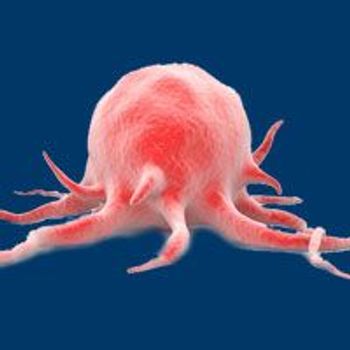
The bispecific antibody CDX-527 is now under investigation in patients with advanced or metastatic solid tumors who have progressed during or following standard-of-care treatment with the recent initiation of a open-label phase 1 trial.
Investigators are evaluating the clinical and immunological impact of the experimental, engineered fusion protein ALKS 4230 on the tumor microenvironment of several advanced, malignant solid tumors in the recently initiated phase 2 ARTISTRY-3 trial.
Anne Chiang, MD, PhD, discusses the management of immune-related adverse effects in lung cancer.
David R. Spigel, MD, discusses the IMpower110, CYPRESS-1, and CANOPY-A trials, and spoke to the potential future outlook of drug development in NSCLC.
Advertisement
Advertisement
Trending on OncLive
1
FDA Approves Tucatinib Plus Trastuzumab/Pertuzumab as First-Line Maintenance in Advanced HER2+ Breast Cancer
2
Iberdomide Plus Daratumumab/Dexamethasone Yields Significant PFS Benefit in R/R Myeloma
3
FDA Approves Atezolizumab Plus Chemo for Stage III dMMR Colon Cancer
4
VIR-5500 Receives FDA Fast Track Designation in mCRPC
5