






Immuno-Oncology
Latest News
Advertisement
Latest Videos

































































Advertisement
More News

Biond Biologics Ltd. will join Sanofi in an exclusive worldwide license agreement for the development and commercialization of the novel immunotherapy BND-22.

Dan Costin, MD, discusses his strategies for patients with early-stage lung cancer and ongoing trials that could improve outcomes even further.

Pembrolizumab Approaches EU Approval for Expanded Indication in Relapsed/Refractory Hodgkin Lymphoma
February 1, 2020 - The European Medicines Agency’s Committee of Medicinal Products for Human Use has recommended a label expansion for pembrolizumab for use as a single agent in adult and pediatric patients aged 3 years and older with relapsed/refractory classical Hodgkin lymphoma for whom autologous stem cell transplant has failed or following at least 2 previous therapies when ASCT is not an option.

January 28, 2021- Patients with non-small cell lung cancer who experience immune-related adverse events may have better survival outcomes than those without.

January 28, 2021 - Atezolizumab demonstrated continued clinically meaningful benefits in overall survival, progression-free survival, overall response rate, and duration of response compared with chemotherapy in patients with PD-L1–high wild-type nonsquamous or squamous non–small cell lung cancer.
January 28, 2021 - Adding BMS-986012, anti–fucosyl-GM1 monoclonal antibody, to nivolumab demonstrated promising results in the treatment of patients with relapsed/refractory small cell lung cancer who did not receive previous checkpoint inhibitor therapy.

January 28, 2021 - Immuno-oncology therapies provided significant potential health gains for both patients and the population, although age should be taken into account to improve accuracy and avoid bias.

January 28, 2021 — Frontline pembrolizumab continued to demonstrate clinically meaningful improvements in overall survival, overall response rate, and time to progression on next-line therapy compared with platinum-based chemotherapy in patients with locally advanced or metastatic PD-L1–positive non–small cell lung cancer without sensitizing EGFR or ALK mutations.

January 28, 2021 - Pembrolizumab continued to demonstrate a clinically meaningful improvement in overall and progression-free survival, compared with docetaxel, in patients with previously treated, PD-L1–positive advanced non-small cell lung cancer after more than 5 years of follow-up.

January 28, 2021 — Pembrolizumab in combination with chemotherapy continued to show improved overall survival and progression-free survival compared with chemotherapy alone in patients with previously untreated metastatic nonsquamous non–small cell lung cancer.

January 28, 2021 - The anti–PD-1 antibody tislelizumab was found to significantly improve overall survival compared with investigator’s choice of chemotherapy in the treatment of patients with advanced, unresectable, or metastatic esophageal squamous cell carcinoma.

Naiyer A. Rizvi, MD, discusses the clinical implications of the CheckMate-227 trial examining the use of nivolumab plus ipilimumab in the treatment of patients with non–small cell lung cancer.

January 26, 2021 - Novartis has signed a strategic collaboration agreement to in-license the PD-1 inhibitor tislelizumab from BeiGene, Ltd, in various markets outside of China.

January 26, 2021 - The European Commission has approved single-agent pembrolizumab for use in the frontline treatment of patients with metastatic microsatellite instability–high or mismatch repair deficient colorectal cancer.

Martin E. Gutierrez, MD, discusses some of the most encouraging ongoing clinical trials in metastatic NSCLC.

January 25, 2021 - The European Commission has approved avelumab for use as a frontline maintenance option in the treatment of adult patients with locally advanced or metastatic urothelial carcinoma who did not progress after having received platinum-based chemotherapy.
January 22, 2021 - The FDA has approved the combination of nivolumab plus cabozantinib for the frontline treatment of patients with advanced renal cell carcinoma.
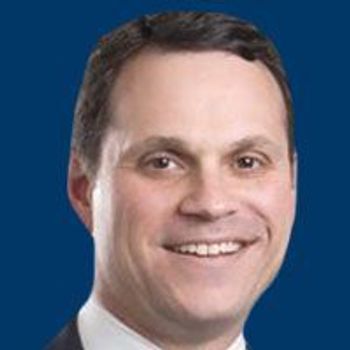
David Spigel, MD, discusses ongoing research with immunotherapy in early-stage lung cancer.
January 21, 2021 - The FDA has granted priority review to a biologics license application for retifanlimab for the treatment of adult patients with locally advanced or metastatic squamous cell carcinoma of the anal canal who were intolerant of or who had progressed on platinum-based chemotherapy.

Howard A. “Skip” Burris, III, MD, FASCO, FACP, discusses the potential of novel combination strategies with checkpoint inhibitors in oncology.
The FDA has granted priority review to a supplemental biologics license application for nivolumab for use as an adjuvant treatment for patients with resected esophageal or gastroesophageal junction cancer following neoadjuvant chemoradiation treatment.

January 20, 2021 - The FDA has granted a priority review to a supplemental biologics license application for nivolumab in combination with a fluoropyrimidine- and platinum-containing chemotherapy for use in patients with advanced or metastatic gastric cancer, gastroesophageal junction cancer, or esophageal adenocarcinoma.

Addition of Pembrolizumab to Chemo Does Not Negatively Impact QoL in Patients With Esophageal Cancer
January 16, 2021 - Health-related quality of life during an 18-week period proved to be similar over for patients with esophageal cancer treated with either pembrolizumab or placebo added to chemotherapy.

January 15, 2021 - Durvalumab has been approved in the European Union and the United Kingdom for a fixed-dose option of 1,500 mg every 4 weeks for use in patients with locally advanced, unresectable non–small cell lung cancer whose tumors have a PD-L1 expression of at least 1% and who have not experienced disease progression after platinum-based chemoradiation treatment.

January 14, 2020 - The China National Medical Products Administration has approved tislelizumab for use in combination with 2 chemotherapy regimens in the frontline treatment of patients with advanced squamous non–small cell lung cancer.
Advertisement
Advertisement
Trending on OncLive
1
FDA Approves Tucatinib Plus Trastuzumab/Pertuzumab as First-Line Maintenance in Advanced HER2+ Breast Cancer
2
Iberdomide Plus Daratumumab/Dexamethasone Yields Significant PFS Benefit in R/R Myeloma
3
FDA Approves Atezolizumab Plus Chemo for Stage III dMMR Colon Cancer
4
VIR-5500 Receives FDA Fast Track Designation in mCRPC
5