





Immuno-Oncology
Latest News
Advertisement
Latest Videos




































































Advertisement
More News

The European Medicines Agency has validated its Type II Variation Marketing Authorization Applications for nivolumab plus ipilimumab and nivolumab plus fluoropyrimidine- and platinum-containing chemotherapy as frontline options for adult patients with unresectable advanced, recurrent, or metastatic esophageal squamous cell carcinoma.
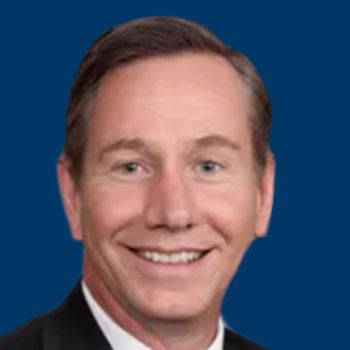
Stephen M. Ansell, MD, PhD, discusses recent progress made with non–CAR T-based approaches in the non-Hodgkin lymphoma treatment paradigm, opportunities for sequencing available options, and ongoing efforts that are picking up momentum.

The COVID-19 pandemic had a relatively limited effect on immuno-oncology research, according to results from the Association of Community Cancer Centers fourth annual analysis of the IO landscape.

The subspecialty of cardio-oncology has grown in recent years as improved cancer survival rates have expanded the population of long-term survivors with heightened risk of cardiovascular disease and drawn more attention to the need for preventive strategies and disease management.
The FDA has granted a fast track designation to nemvaleukin alfa as a potential therapeutic option for patients with mucosal melanoma.

The European Commission has approved nivolumab for use as an adjuvant treatment in adult patients with esophageal or gastroesophageal junction cancer who have residual pathologic disease after neoadjuvant chemoradiation.

The addition of pembrolizumab to chemotherapy resulted in a statistically significant and clinically meaningful improvement in overall survival vs chemotherapy alone in patients with metastatic triple-negative breast cancer whose tumors had a PD-L1 expression of a combined positive score of 10 or higher, meeting the primary end point of the phase 3 KEYNOTE-355 trial.
The FDA has approved pembrolizumab for the treatment of patients with high-risk, early-stage triple-negative breast cancer in combination with chemotherapy as neoadjuvant treatment and then continued as a single agent as adjuvant treatment after surgery.

Roche Registration GmbH has withdrawn its application to extend the use of atezolizumab to the treatment of patients with early or locally advanced triple-negative breast cancer in Europe.

FDA Issues a Complete Response Letter for Retifanlimab for Squamous Cell Carcinoma of the Anal Canal
The FDA has issued a complete response letter to Incyte Corporation stating that it cannot approve the biologics license application for retifanlimab for use in adult patients with locally advanced or metastatic squamous cell carcinoma of the anal canal who have progressed on, or who are intolerant of, platinum-based chemotherapy, in its present form.

Bristol Myers Squibb has decided to voluntarily withdraw the indication for nivolumab as a monotherapy for patients with hepatocellular carcinoma who were previously treated with sorafenib from the US market.
The FDA has granted a regular approval to pembrolizumab plus lenvatinib for the treatment of patients with advanced endometrial carcinoma that is not microsatellite instability high or mismatch repair deficient, who have disease progression after previous systemic therapy in any setting, and who are not candidates for curative surgery or radiation.
The FDA has granted an orphan drug designation to alrizomadlin as a potential therapeutic option for patients with stage IIB-IV melanoma.

Nivolumab plus ipilimumab did not significantly improve overall survival over the EXTREME regimen in the frontline treatment of patients with recurrent or metastatic squamous cell carcinoma of the head and neck, missing the primary end points of the phase 3 CheckMate-651 trial.

Neoadjuvant pembrolizumab plus chemotherapy followed by adjuvant single-agent pembrolizumab was found to significantly improve event-free survival over neoadjuvant chemotherapy followed by adjuvant placebo in patients with high-risk, early-stage triple-negative breast cancer.

Atezolizumab/Bevacizumab Demonstrates Durable Efficacy in Advanced Malignant Peritoneal Mesothelioma
The combination of atezolizumab plus bevacizumab elicited encouraging, durable responses in patients with advanced malignant peritoneal mesothelioma, irrespective of tumor mutational burden and PD-L1 expression status.

The combination of bempegaldesleukin plus nivolumab continued to produce promising antitumor activity with favorable tolerability when used in the frontline treatment of patients with metastatic melanoma, according to findings from a phase 2 cohort of the phase 1/2 PIVOT-2 trial.

The combination of belapectin plus pembrolizumab has demonstrated early potential for disease control with acceptable tolerability in patients with metastatic melanoma and head and neck cancer.

During the past decade, a growing number of PD-1/PD-L1 inhibitors gained FDA approval to treat a wide range of cancer types. Their stimulatory counterparts also emerged as sought-after anticancer targets but have proved much more challenging to manipulate therapeutically.

The tumor-infiltrating lymphocyte therapy LN-145 was found to induce an objective response rate of 21.4% in patients with advanced or metastatic non–small cell lung cancer who had progressed following systemic therapy.

The novel combination comprised of rigosertib and nivolumab showed preliminary evidence of potential anticancer activity in patients with advanced metastatic KRAS-mutated non–small cell lung cancer.

Frontline pembrolizumab plus lenvatinib, and chemotherapy is being tested against chemotherapy alone in patients with advanced gastroesophageal adenocarcinoma, as part of the international, 2-part, phase 3 LEAP-015 trial.

The landscape of immunotherapy biomarkers is rapidly evolving, and future developments are likely to have an impact on patients and clinicians alike.

The immunotherapy Leukocyte interleukin followed by surgery and radiotherapy, without chemotherapy, significantly improved overall survival compared with standard of care alone in the treatment of patients with advanced primary squamous cell carcinoma of the head and neck.

The European Commission has approved the combination of nivolumab plus ipilimumab for use in adult patients with mismatch repair deficient or microsatellite instability–high metastatic colorectal cancer following previous fluoropyrimidine-based combination chemotherapy.
Advertisement
Advertisement
Trending on OncLive
1
FDA Approves Tucatinib Plus Trastuzumab/Pertuzumab as First-Line Maintenance in Advanced HER2+ Breast Cancer
2
VIR-5500 Receives FDA Fast Track Designation in mCRPC
3
Iberdomide Plus Daratumumab/Dexamethasone Yields Significant PFS Benefit in R/R Myeloma
4
FDA Approves Atezolizumab Plus Chemo for Stage III dMMR Colon Cancer
5