






Immuno-Oncology
Latest News
Advertisement
Latest Videos





































































Advertisement
More News

The safety and tolerability of TST001 is under investigation as a potential treatment option for patients with gastric/gastroesophageal junction cancer and other locally advanced or metastatic solid tumors as part of a phase 1 trial.

The addition of the PD-L1 inhibitor sugemalimab to chemotherapy significantly improved overall survival compared with chemotherapy alone in the frontline treatment of patients with stage IV non–small cell lung cancer.

Treatment with the PD-L1 inhibitor durvalumab in combination with gemcitabine and cisplatin resulted in significantly improved overall survival vs placebo plus chemotherapy in patients with advanced biliary tract cancer.
The addition of ramucirumab to pembrolizumab elicited an encouraging response rate when used in the frontline treatment of patients with recurrent or metastatic head and neck squamous cell carcinoma.

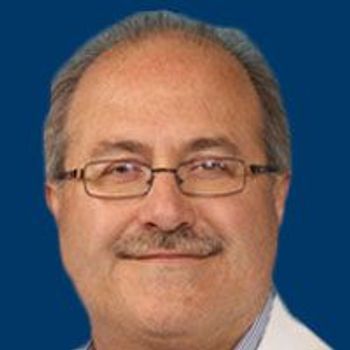
Jeffrey S. Weber, MD, PhD, overviews the successes made in the melanoma setting in the past decade and the challenges to overcome in the future.
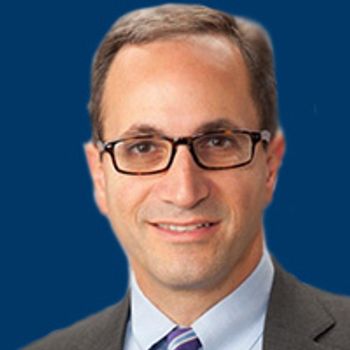
Robert L. Ferris, MD, PhD, discusses the current standard of care for patients with head and neck cancer, the role of HPV in treatment decisions, and the need to personalize therapy for patients.

The Data Safety Monitoring Board has determined that it is safe and appropriate to continue recruitment to the expansion arm of the phase 1/2 GLORIA trial, which is examining a novel combination comprised of NOX-A12, radiotherapy, and bevacizumab in glioblastoma and incomplete tumor resection.

Adjuvant treatment with pembrolizumab led to a statistically significant and clinically meaningful improvement in disease-free survival vs placebo in patients with stage IB to IIIA non–small cell lung cancer following resection, regardless of PD-L1 expression, meeting 1 of the dual primary end points of the phase 3 KEYNOTE-091 trial.
The combination of pembrolizumab and pepinemab showcased encouraging safety and tolerability when given as first-line treatment in patients with advanced, recurrent, or metastatic head and neck squamous cell carcinoma.

The immune checkpoint TIM-3 is shaping up to be a viable target for designing therapies for patients with non–small cell lung cancer and other malignancies.
The FDA has accepted an investigational new drug application for the photoimmunotherapy treatment, RM-1995, for patients with advanced cutaneous squamous cell carcinoma or head and neck squamous cell carcinoma.

The addition of tiragolumab to atezolizumab produced a clinically meaningful improvement in progression-free survival, overall survival, and objective response rate compared with atezolizumab alone in the first-line treatment of patients with PD-L1–positive non–small cell lung cancer.
The FDA has granted a fast track designation to a combination comprised of the immunogene therapy quaratusugene ozeplasmia and pembrolizumab for use in select patients with late-stage non–small cell lung cancer.

Immune checkpoint inhibitor therapies have ushered in an exciting new phase of clinical research and treatment for malignant pleural mesothelioma.

Peter Schmid, MD, PhD, discussed how this approval defines a new standard of care for patients with TNBC.

James P. Allison, PhD, permanently etched his legacy into immuno-oncology with the development of ipilimumab, work that helped him win a Giants of Cancer Care® award for Scientific Advances in 2014.

Charu Aggarwal, MD, MPH, discusses the significance of the phase 3 IMpower010 trial in patients with PD-L1–positive non–small cell lung cancer.

Jeffrey S. Weber, MD, PhD, discusses unmet needs in ocular and mucosal melanoma.
The FDA has approved pembrolizumab for the adjuvant treatment of adult and pediatric patients with stage IIB or IIC melanoma following complete resection.

The addition of BO-112 to pembrolizumab produced clinical benefit in patients with unresectable malignant melanoma who have experienced disease progression on anti–PD-1 therapy, according to data from the preliminary analysis of the phase 2 SPOTLIGHT-203 trial.

James P. Allison, PhD, discusses the impact of immunotherapy on patients with cancer.
James P. Allison, PhD, discusses the development of ipilimumab.
Dr. Allison highlights everything from his proudest professional moments, to MD Anderson’s Moon Shot program, to his musical talents, to next steps he’s taking in cancer research.
Jonathan D. Cheng, MD, discusses advances with immunotherapy-based combinations in oncology.
The FDA has approved pembrolizumab for the adjuvant treatment of patients with renal cell carcinoma who are at intermediate-high or high risk of recurrence following nephrectomy, or following nephrectomy and resection of metastatic lesions.
Advertisement
Advertisement
Trending on OncLive
1
FDA Approves Tucatinib Plus Trastuzumab/Pertuzumab as First-Line Maintenance in Advanced HER2+ Breast Cancer
2
VIR-5500 Receives FDA Fast Track Designation in mCRPC
3
Iberdomide Plus Daratumumab/Dexamethasone Yields Significant PFS Benefit in R/R Myeloma
4
FDA Approves Atezolizumab Plus Chemo for Stage III dMMR Colon Cancer
5