




Immuno-Oncology
Latest News
Advertisement
Latest Videos






































































Advertisement
More News
Patrick M. Forde, MBBCh, discusses the future of immunotherapy in early-stage non–small cell lung cancer.
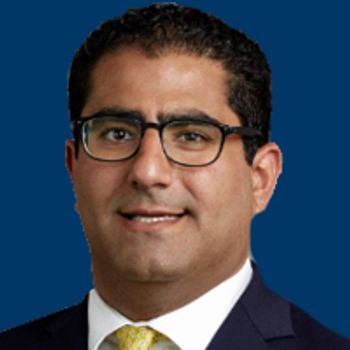
Joshua K. Sabari, MD, reflects on the rapidly advancing landscape of lung cancer.

The new standard of care for the frontline treatment of patients with extensive-stage small cell lung cancer should be atezolizumab and chemotherapy, based on results from the IMpower133 trial.

Although the need for biomarkers of immunotherapy response has generated much attention, investigators also are pursuing mechanisms for distinguishing which patients will experience adverse effects from these therapies.

The FDA has extended the review period for a supplemental biologics license application for single-agent pembrolizumab for the frontline treatment of patients with locally advanced or metastatic nonsquamous or squamous non–small cell lung cancer with a PD-L1 expression level of ≥1% and no EGFR or ALK genomic tumor aberrations.

Michael J. Overman, MD, associate professor, Department of Gastrointestinal Medical Oncology, The University of Texas MD Anderson Cancer Center, discusses next steps with immunotherapy in the treatment of patients with metastatic colorectal cancer.

Julie R. Brahmer, MD, associate professor of oncology, co-director of the Upper Aerodigestive Department, Bloomberg Kimmel Institute for Cancer Immunotherapy, Johns Hopkins Medicine, discusses biomarkers for immune response in non–small cell lung cancer.

Petros Grivas, MD, PhD, director, University of Washington Medicine’s Genitourinary Cancers Program, associate professor, Oncology, University of Washington, Seattle Cancer Care Alliance, discusses mechanisms of immune response in bladder cancer.

Amishi Desai, MD, highlights new and emerging data regarding the use of immunotherapy in patients with non–small lung cancer.

Thomas Powles MBBS, MRCP, MD, discusses the changes to the frontline landscape of bladder cancer and where research should focus moving forward.

Nivolumab demonstrated durable response and overall survival rates in a real-world analysis of patients with platinum-refractory, recurrent/metastatic head and neck squamous cell carcinoma.

Toni Choueiri, MD, director, Lank Center for Genitourinary Oncology, director, Kidney Cancer Center, Jerome and Nancy Kohlberg Associate Professor of Medicine, Harvard Medical School, Dana-Farber Cancer Institute, discusses next steps for treatment in renal cell carcinoma.
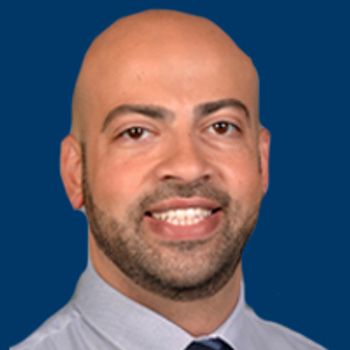
Adham Jurdi, MD, discusses how the updated data from the PACIFIC trial have changed the standard of care for patients with stage III non–small cell lung cancer.

Newer immunotherapy agents are changing traditional strategies for care, resulting in higher levels of collaboration.

Durvalumab alone and in combination with tremelimumab did not improve overall survival versus standard-of-care chemotherapy in patients with recurrent or metastatic head and neck squamous cell carcinoma who progressed after platinum-based chemotherapy.

Bradley G. Somer, MD, associate professor of hematology/oncology, head of strategic expansion/development, University of Tennessee West Cancer Center, discusses the potential for immunotherapy combinations in metastatic renal cell carcinoma.

Nisha A. Mohindra, MD, discusses the current treatment landscape, challenges faced in this patient population, and what she believes will be a focus for further research over the next decade.
The FDA has approved atezolizumab for use in combination with bevacizumab, carboplatin, and paclitaxel for the first-line treatment of patients with metastatic nonsquamous non-small cell lung cancer.

Asim Amin, MD, PhD, director of immunotherapy, Levine Cancer Institute, discusses the rationale for the pivotal CheckMate-214 trial in advanced renal cell carcinoma.
In contrast to the wide array of available therapies in the metastatic setting of renal cell carcinoma, in patients with localized disease, the results of trials investigating adjuvant systemic therapy after nephrectomy have so far been underwhelming.

The FDA has granted a priority review designation to a supplemental biologics license application for atezolizumab for use in combination with carboplatin and etoposide for the frontline treatment of patients with extensive-stage small cell lung cancer.

Toni Choueiri, MD, director, Lank Center for Genitourinary Oncology, director, Kidney Cancer Center, Jerome and Nancy Kohlberg Associate Professor of Medicine, Harvard Medical School, Dana-Farber Cancer Institute, discusses frontline trials of immunotherapy in renal cell carcinoma.

Barbara Burtness, MD, professor of medicine, Yale Cancer Center, discusses the benefit of pembrolizumab (Keytruda) as a treatment for patients with recurrent metastatic head and neck squamous cell carcinoma.

In an analysis of patient-reported outcomes of the JAVELIN Merkel 200 trial of avelumab (Bavencio), investigators found that there was a similarity in proportion of responders with metastatic Merkel cell carcinoma based on clinical and patient-reported outcome endpoints.

Julie R. Brahmer, MD, discusses updates on the use of immunotherapy in patients with metastatic non–small cell lung cancer.
Advertisement
Advertisement
Trending on OncLive
1
FDA Approves Tucatinib Plus Trastuzumab/Pertuzumab as First-Line Maintenance in Advanced HER2+ Breast Cancer
2
Iberdomide Plus Daratumumab/Dexamethasone Yields Significant PFS Benefit in R/R Myeloma
3
FDA Approves Atezolizumab Plus Chemo for Stage III dMMR Colon Cancer
4
VIR-5500 Receives FDA Fast Track Designation in mCRPC
5