


Immuno-Oncology
Latest News
Advertisement
Latest Videos






























































Advertisement
More News
The standards for reporting findings from immunotherapy studies should reflect the unique efficacy and toxicity characteristics of this rapidily emerging modality, with detailed and transparent explanations of definitions.
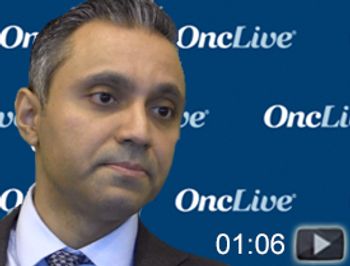
Arjun V. Balar, MD, assistant professor, Department of Medicine, director, Genitourinary Medical Oncology Program, NYU Langone’s Perlmutter Cancer Center, discusses findings from the KEYNOTE-057 study presented at the 2019 Genitourinary Cancers Symposium.

Mohammad Jahanzeb, MD, professor of clinical medicine, Hematology/Oncology, Sylvester Comprehensive Cancer Center, University of Miami Miller School of Medicine, discusses immunotherapy in the treatment of elderly patients with non–small cell lung cancer.
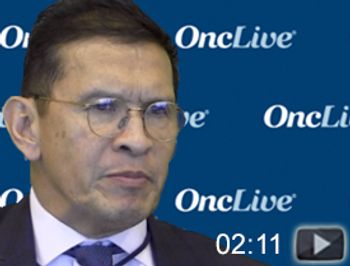
Raoul S. Concepcion, MD, FACP, director, Comprehensive Prostate Center, discusses the potential for immunotherapy in the treatment of patients with castration-resistant prostate cancer.
Two doses of adjuvanted recombinant zoster vaccine following autologous hematopoietic stem cell transplant led to rapid and durable cell-mediated immune responses, results from a subgroup analysis of a large randomized, placebo-controlled trial showed.1
Mark A. Socinski, MD, executive medical director, AdventHealth Medical Group, discusses the current state of treatment for patients with non–small cell lung cancer.
Petros Grivas, MD, PhD, director, University of Washington Medicine’s Genitourinary Cancers Program, associate professor, oncology, University of Washington, Seattle Cancer Care Alliance, discusses unmet needs in the treatment of patients with advanced urothelial cancer.
David F. McDermott, MD, director of the Biologic Therapy Program at Beth Israel Deaconess Medical Center, discusses single-agent pembrolizumab in the treatment of patients with advanced renal cell carcinoma.
Toni Choueiri, MD, director, Lank Center for Genitourinary Oncology, director, Kidney Cancer Center, Jerome and Nancy Kohlberg Associate Professor of Medicine, Harvard Medical School, Dana-Farber Cancer Institute, discusses avelumab/axitinib data in renal cell carcinoma.
Advertisement
Advertisement
Trending on OncLive
1
FDA Approves Tucatinib Plus Trastuzumab/Pertuzumab as First-Line Maintenance in Advanced HER2+ Breast Cancer
2
Iberdomide Plus Daratumumab/Dexamethasone Yields Significant PFS Benefit in R/R Myeloma
3
FDA Approves Atezolizumab Plus Chemo for Stage III dMMR Colon Cancer
4
VIR-5500 Receives FDA Fast Track Designation in mCRPC
5