

Lung Cancer
Latest News
Advertisement
Latest Videos
































































Advertisement
More News
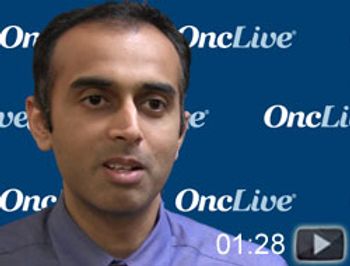
Siddhartha Devarakonda, MD, a senior fellow at Washington University School of Medicine in St. Louis, discusses biomarkers beyond PD-L1 being explored in patients with non–small cell lung cancer (NSCLC).
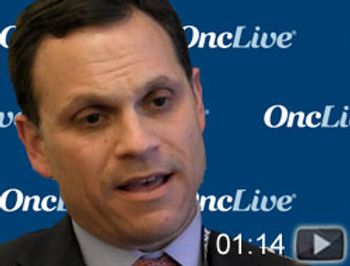
David Spigel, MD, chief scientific officer, director, Lung Cancer Research Program, principal investigator, Sarah Cannon Research Institute, discusses the FDA approval of pembrolizumab plus chemotherapy as a frontline treatment for patients with non–small cell lung cancer (NSCLC).
The FDA has granted an accelerated approval to pembrolizumab for use in combination with pemetrexed plus carboplatin as a frontline treatment for patients with metastatic or advanced nonsquamous non–small cell lung cancer, regardless of PD-L1 expression.

Daniel Morgensztern, MD, discusses both the single-agent and combination immunotherapy data in non-small cell lung cancer and what researchers are poised to do next in the field.
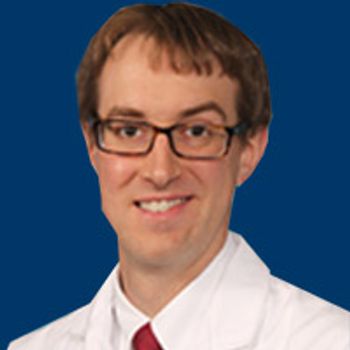
Jeffrey P. Ward, MD, PhD, discusses the questions researchers still face about targeting the immune system and exactly what role T-cell receptor therapy could play in the treatment of patients with non-small cell lung cancer.

Siddhartha Devarakonda, MD, discusses the importance of testing for molecular markers in NSCLC, rare mutations, and what work lies ahead for the field of lung cancer.
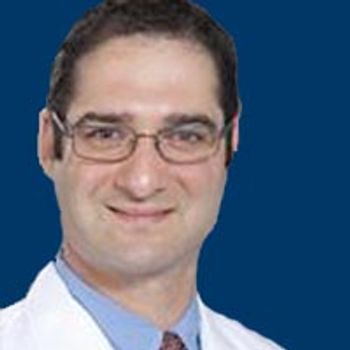
Jonathan Riess, MD, shares his insight on the game-changing efficacy of osimertinib in non-small cell lung cancer and its potential in combination, considering factors for choosing an EGFR TKI, and the burgeoning questions clinicians still have with the EGFR-mutant population.
H. Jack West, MD, a thoracic oncologist of Swedish Cancer Institute at Swedish Medical Center, discusses the FDA approval of brigatinib (Alunbrig) as a treatment for patients with metastatic ALK-positive non–small cell lung cancer (NSCLC) who are resistant to prior crizotinib (Xalkori).

Matthew Gubens, MD, an assistant professor of thoracic oncology at the University of California San Francisco, discusses the prevalence of patients with non–small cell lung cancer (NSCLC) who harbor mutations in EGFR/ALK/ROS1 as well as PD-L1 expression.

Mary Jo Fidler, MD, discusses aiming to improve platinum-based doublet therapy in NSCLC, as well as the role of chemotherapy for non-driver adenocarcinoma in the future.
Paul A. Bunn Jr, MD, Distinguished Professor, Division of Medical Oncology/University of Colorado, James Dudley Chair in Lung Cancer Research, University of Colorado Denver, 2014 Giant of Cancer Care in Lung Cancer. discusses the FDA approval of brigatinib for the treatment of patients with ALK-positive non–small cell lung cancer (NSCLC).
The FDA has granted brigatinib (Alunbrig) an accelerated approval as a treatment for patients with metastatic ALK-positive non–small cell lung cancer who are resistant to prior crizotinib.

The FDA has granted a breakthrough therapy designation to lorlatinib for use in patients with ALK-positive metastatic NSCLC who have previously received 1 or more ALK inhibitors, according to Pfizer, the company developing the next-generation ALK/ROS1 TKI.


The European Union has granted a full approval to osimertinib (Tagrisso) for the treatment of patients with locally advanced or metastatic EGFR T790M mutation-positive non–small cell lung cancer, regardless of prior treatment with an EGFR TKI.
Advertisement
Advertisement
Trending on OncLive
1
FDA Approves Tucatinib Plus Trastuzumab/Pertuzumab as First-Line Maintenance in Advanced HER2+ Breast Cancer
2
Iberdomide Plus Daratumumab/Dexamethasone Yields Significant PFS Benefit in R/R Myeloma
3
FDA Approves Atezolizumab Plus Chemo for Stage III dMMR Colon Cancer
4
VIR-5500 Receives FDA Fast Track Designation in mCRPC
5