






Pediatric Oncology
Latest News
Advertisement
Latest Videos





































































Advertisement
More News

Christine N. Duncan, MD, discusses the current components of CAR T-cell therapy in pediatric acute lymphoblastic leukemia.

Yadav Sapkota, PhD, clinical research scientist at St. Jude Children’s Research Hospital, discusses the relationship between a genetic variant and the risk of stroke in childhood cancer survivors treated with cranial radiation therapy.
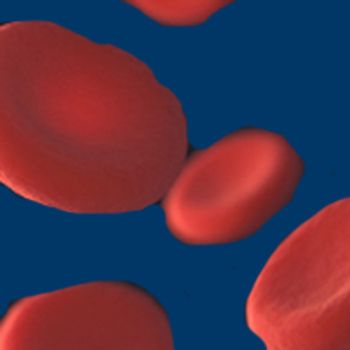
The development of high-grade acute graft-versus-host disease following hematopoietic stem cell transplantation poses the highest risk for transplant-associated thrombotic microangiopathy in pediatric patients.

Childhood cancer survivors who had lived 5 or more years from their primary malignancy are at an increased risk of developing skin cancer compared with the general population.

Childhood cancer is significantly underdiagnosed—especially in south Asia and sub-Saharan Africa—underscoring the need for stronger health systems and the expansion of universal health coverage, according to an analysis published in Lancet Oncology.

Yana Pikman, MD, a physician in the Cancer and Blood Disorders Center at Dana-Farber Cancer Institute and instructor of pediatrics at Harvard Medical School, discusses the implications of a matched targeted therapy approach in pediatric leukemia.

The European Commission has approved dasatinib in combination with chemotherapy for the treatment of pediatric patients with newly diagnosed Philadelphia chromosome-positive acute lymphoblastic leukemia.

The relative risk of developing a solid subsequent malignant neoplasm remained elevated in survivors of childhood Hodgkin lymphoma, according to extended follow-up of more than 25 years from the Late Effects Study Group cohort.

The FDA has approved dasatinib tablets in combination with chemotherapy for the treatment of pediatric patients ≥1 year of age with newly diagnosed Philadelphia chromosome-positive acute lymphoblastic leukemia.

Corinne Summers, MD, pediatric oncologist, Seattle Children's Hospital, assistant member, Clinical Research Division, University of Washington Fred Hutchinson Cancer Research Center, discusses the role of CAR T cells in pediatric cancer.
Yana Pikman, MD, a physician in the Cancer and Blood Disorders Center at Dana-Farber Cancer Institute and instructor of pediatrics at Harvard Medical School, discusses a trial attempting to match pediatric patients with more precise therapy for acute leukemia.
The FDA has approved a longer-acting version of calaspargase pegol-mknl (Asparlas) as a component of a multiagent chemotherapy regimen for pediatric and young adult patients aged 1 month to 21 years with acute lymphoblastic leukemia.
Yana Pikman, MD, discusses the clinical implications of using an approach to match targeted therapy to pediatric patients with leukemia.

Stephan Grupp, MD, PhD, director, Cancer Immunotherapy Program, director, Translational Research for the Center for Childhood Cancer Research, medical director, Stem Cell Laboratory, Children’s Hospital of Philadelphia, discusses the findings of the ELIANA trial.
The European Medicines Agency's Committee for Medicinal Products for Human Use has granted a positive opinion to dasatinib in combination with chemotherapy for the treatment of pediatric patients with newly diagnosed Philadelphia chromosome-positive acute lymphoblastic leukemia.
The FDA has approved romiplostim for the treatment of pediatric patients aged ≥1 year with immune thrombocytopenia for at least 6 months who have had an insufficient response to corticosteroids, immunoglobulins, or splenectomy.

Santhosh Upadhyaya, MD, neuro-oncologist, St. Jude Children’s Research Hospital, discusses drug development for pediatric patients with brain tumors.
Briana Patterson, MD, discusses the off-target effects of tyrosine kinase inhibitors in pediatric patients with chronic myeloid leukemia.

Michael Pulsipher, MD, director of cellular therapy and stem cell transplantation, professor of pediatrics, USC Keck School of Medicine, discusses the role of MRD testing in pediatric patients treated with CAR T-cell therapy.

Alexander E. Perl, MD, associate professor of medicine, University of Pennsylvania, Perelman School of Medicine, discusses the promise of CAR T cells in the treatment of pediatric leukemia.

Brian D. Crompton, MD, physician, Pediatric Hematology/Oncology, Dana-Farber Cancer Institute, assistant professor of pediatrics, Harvard Medical School, discusses the potential of liquid biopsies in the treatment of pediatric patients with sarcoma.

Santhosh Upadhyaya, MD, neuro-oncologist, St. Jude Children’s Research Hospital, discusses risk factors for developing pediatric ependymoma.

Receiving a stem cell transplant for the first time following CD19 CAR T-cell therapy induced a reduction in the risk for acute lymphoblastic leukemia (ALL) recurrence, according to a retrospective analysis of the phase I/II PLAT-02 study.

Treatment with the CD19-targeted CAR T-cell therapy tisagenlecleucel demonstrated sustained rates of relapse-free survival and overall survival at 24 and 18 months for pediatric and young adult patients with relapsed or refractory acute lymphoblastic leukemia.

Zhaoming Wang, PhD, bioinformatics scientist, Department of Computational Biology, St. Jude Children’s Research Hospital, discusses the utility of genome-wide association studies in pediatric oncology.
Advertisement
Advertisement
Trending on OncLive
1
FDA Approves Tucatinib Plus Trastuzumab/Pertuzumab as First-Line Maintenance in Advanced HER2+ Breast Cancer
2
VIR-5500 Receives FDA Fast Track Designation in mCRPC
3
Iberdomide Plus Daratumumab/Dexamethasone Yields Significant PFS Benefit in R/R Myeloma
4
FDA Approves Atezolizumab Plus Chemo for Stage III dMMR Colon Cancer
5