




Pediatric Oncology
Latest News
Advertisement
Latest Videos































































Advertisement
More News
VHL disease is defined as a rare, inherited disorder that causes tumors and cysts to grow in specific areas of the body, including the brain, spinal cord, eyes, inner ear, adrenal glands, pancreas, kidney, and reproductive tract.

YunZu Michele Wang, MD, discusses the potential utility of ruxolitinib in children and young adult patients with chronic graft-versus-host disease.

February 10, 2021 - Treatment with the investigative gene cell therapy betibeglogene autotemcel led to durable transfusion independence in 87% of pediatric patients less than 18 years of age with transfusion-dependent beta-thalassemia with a median average hemoglobin of 11.3 g/dL.
The landscape for pediatric oncology drugs expanded dramatically last year, with 8 new drugs or indications specifically approved for children compared with just 47 for treatment and supportive care products from the early 1950s through 2019.
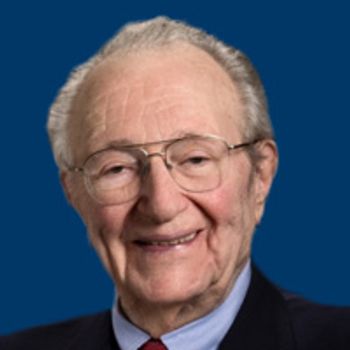
February 2, 2021 - Emil J. Freireich, MD, DSc, a founding father of modern clinical cancer research and the 2015 Giants of Cancer Care award winner for Lymphoid Neoplasms, has died at age 93.

Pembrolizumab Approaches EU Approval for Expanded Indication in Relapsed/Refractory Hodgkin Lymphoma
February 1, 2020 - The European Medicines Agency’s Committee of Medicinal Products for Human Use has recommended a label expansion for pembrolizumab for use as a single agent in adult and pediatric patients aged 3 years and older with relapsed/refractory classical Hodgkin lymphoma for whom autologous stem cell transplant has failed or following at least 2 previous therapies when ASCT is not an option.
Erin Murphy, MD, discusses the utility of pazopanib plus stereotactic body radiation therapy in pediatric sarcoma.
Katianne M. Howard Sharp, PhD, discusses the importance of racial and ethnic diversity in clinical trials for pediatric patients with cancer.
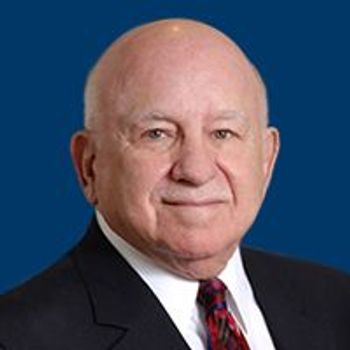
Joseph V. Simone, MD, a pioneering clinical investigator and institutional leader in pediatric oncology who was recognized with a 2017 Giants of Cancer Care® award, died January 21 at the age of 85.
December 23, 2020 — Findings from the International, Prospective ALCL-Relapse trial showed that allogeneic SCT after reinduction chemotherapy can lead to survival improvements in children and adolescents with high-risk relapsed or refractory anaplastic large cell lymphoma, provide more insight into how to treat this population.
The use of abdominal or pelvic radiotherapy in pediatric patients with cancer could lead to long-term negative impact on cardiovascular and metabolic health.

TP53 was found to be the only gene with a germline de novo pathogenic or likely pathogenic variant in pediatric patients with osteosarcoma.
The FDA has granted an orphan drug designation and rare pediatric disease designation to the bispecific antibody nivatrotamab for the treatment of patients with neuroblastoma.

Despite the numerous reports detailing racial differences in cancer outcomes and care over the years, the reasons underlying these disparities continue to be under deep exploration.
The FDA’s Oncologic Drugs Advisory Committee voted 8 to 2 in favor of approving remestemcel-L for the treatment of children with steroid-refractory acute graft-versus-host disease.
Numerous analyses conducted over the past few years have underscored a serious issue in clinical cancer trials that needs to be addressed: a lack of racial and ethnic diversity among participants.
The FDA has issued a complete response letter to Fennec Pharmaceuticals regarding its new drug application for a unique formulation of sodium thiosulfate (Pedmark) for the prevention of cisplatin-induced ototoxicity in patients from 1 month to less than 18 years of age with localized, nonmetastatic, solid tumors.
The FDA has granted a priority review designation to a new drug application for a unique formulation of sodium thiosulfate for the prevention of cisplatin-induced ototoxicity in patients from 1 month to less than 18 years of age with localized, nonmetastatic, solid tumors.
The biologics license application for the investigational B7-H3–targeting monoclonal antibody omburtamab for use in pediatric patients with central nervous system/leptomeningeal metastases from neuroblastoma has been submitted to the FDA under the agency’s Rolling Review process.
The FDA’s Oncologic Drugs Advisory Committee has scheduled a date to review data supporting the biologics license application for remestemcel-L as a treatment for children with steroid-refractory acute graft versus host disease.

Following the arrival of the coronavirus disease 2019 pandemic, St. Jude Children's Research Hospital launched the first Global COVID-19 Observatory and Resource Center for Childhood Cancer.
The FDA has granted a priority review designation to a biologics license application for the investigational, humanized monoclonal antibody naxitamab (Danyelza) for the treatment of patients with relapsed/refractory high-risk neuroblastoma.

The use of real-time comprehensive profiling provides valuable diagnostic information and identifies potential therapeutic targets in adults with malignancies, but this process remains widely underutilized for pediatric patients and represents a significant unmet need.
A Biologics License Application has been filed with the FDA for naxitamab for the treatment of patients with relapsed/refractory high-risk neuroblastoma.

Higher doses of anthracyclines are associated with increased risk of breast cancer in women who survived childhood cancer, regardless of whether they have mutations that predispose them to cancer.
Advertisement
Advertisement
Trending on OncLive
1
FDA Approves Tucatinib Plus Trastuzumab/Pertuzumab as First-Line Maintenance in Advanced HER2+ Breast Cancer
2
VIR-5500 Receives FDA Fast Track Designation in mCRPC
3
Iberdomide Plus Daratumumab/Dexamethasone Yields Significant PFS Benefit in R/R Myeloma
4
FDA Approves Atezolizumab Plus Chemo for Stage III dMMR Colon Cancer
5