


Urothelial Cancer
Latest News
Advertisement
Latest Videos




























































Advertisement
More News

Bernard H. Bochner, MD, FACS, discusses updates in the treatment of muscle-invasive bladder cancer and ongoing trials in the space.
Daniel P. Petrylak, MD, discusses the importance of molecularly-driven clinical trials and ongoing research with novel therapeutics in urothelial carcinoma.
Bernard H. Bochner, MD, FACS, highlights advancements in early-stage muscle-invasive bladder cancer and the necessity for multimodality approaches.
Daniel P. Petrylak, MD, discusses advancements in the treatment of patients with bladder cancer.
Matthew Galsky, MD, discusses the significance of the FDA approval of frontline nivolumab plus chemotherapy patients with metastatic urothelial carcinoma.
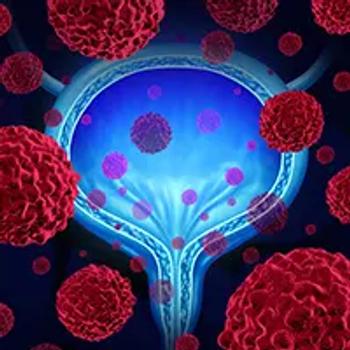
China’s NMPA accepted a sBLA for enfortumab vedotin plus pembrolizumab for the first-line treatment of locally advanced or metastatic urothelial cancer.
Experts delineate the latest developments and lingering questions in bladder and renal cancers, covering pivotal trials, emerging therapies, and optimal management approaches.
Jason Efstathiou, MD, discusses the status of bladder preservation therapy for muscle-invasive bladder cancer.
In case you missed it, read a recap of every episode of OncLive On Air recorded in February 2024.
Jason Efstathiou, MD, DPhil, discusses the role of tri-modality therapy in patients with muscle-invasive bladder cancer.
Elisabeth I. Heath, MD, FACP, discusses what makes NECTIN-4 an attractive target in drug development and the significance of the EV-302/KEYNOTE-A39 trial findings.
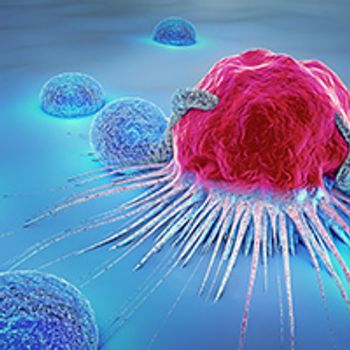
ABSK061 was well tolerated and elicited responses in patients with advanced solid tumors harboring FGFR2/3 alterations.
The FDA has approved nivolumab plus cisplatin and gemcitabine for first-line use in adult patients with unresectable or metastatic urothelial carcinoma.

Patients with upper tract urothelial cancer who received adjuvant chemotherapy after nephroureterectomy experienced extended DFS vs those who received surveillance.
Chandler H. Park, MD, FACP, discusses the implications of the phase 2 TROPHY-U-01 trial in metastatic urothelial carcinoma.
Frontline maintenance therapy with avelumab following platinum-based chemotherapy led to similar outcomes in routine clinical practice and the JAVELIN Bladder 100 trial in metastatic urothelial cancer.
Nikhil A. Gopal, MD, discusses how the phase 3 EV-302 and CheckMate 901 trials have advanced the treatment paradigm in metastatic urothelial cancer.
Robert Huddart, PhD, discusses the FDA approval of erdafitinib for patients with FGFR3-altered metastatic urothelial carcinoma.
Chandler H. Park, MD, FACP, discusses the rationale for evaluating sacituzumab govitecan plus pembrolizumab in metastatic urothelial carcinoma.

Anthony T. Nguyen, MD, PhD, discusses the role of concurrent chemotherapy with trimodal therapy in patients with muscle-invasive bladder cancer.
Chandler H. Park, MD, FACP, discusses the use of sacituzumab govitecan plus pembrolizumab in patients with metastatic urothelial carcinoma.

Abhishek Tripathi, MD, discusses the phase 1/2 NEMIO trial of durvalumab/chemotherapy with/without tremelimumab in muscle-invasive bladder cancer.

The sNDA for enfortumab vedotin-ejfv plus pembrolizumab in patients with metastatic urothelial cancer has received priority review in Japan.
Anthony T. Nguyen, MD, PhD, discusses the methodology of trimodal therapy in patients with muscle-invasive bladder cancer.
Matthew Galsky, MD, discusses the significance of the FDA approval of enfortumab vedotin plus pembrolizumab as a first-line regimen in urothelial cancer.
Advertisement
Advertisement
Trending on OncLive
1
INBRX-106 Plus Pembrolizumab Improves Responses and PFS in First-Line PD-L1–Positive HNSCC
2
FDA Approves Pirtobrutinib for Previously Untreated CLL/SLL
3
Five Under 5: Top Oncology Videos for the Week of 9/27
4
AUA Releases Guideline Amendment for NMIBC
5