

Hagop M. Kantarjian, MD, discusses the predictive value of early landmark cytogenetic or molecular responses to ponatinib in heavily pretreated patients with chronic-phase chronic myeloid leukemia.

Your AI-Trained Oncology Knowledge Connection!
Hagop M. Kantarjian, MD, discusses the predictive value of early landmark cytogenetic or molecular responses to ponatinib in heavily pretreated patients with chronic-phase chronic myeloid leukemia.
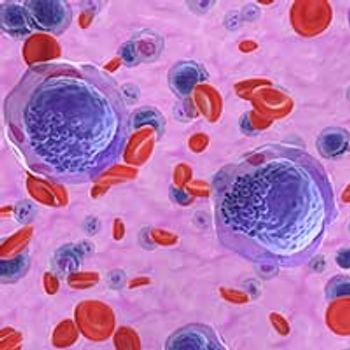
The implementation of treatment with later-generation BCR-ABL1 TKIs like ponatinib and chemotherapy-free combination regimens with blinatumomab plus a TKI have greatly pushed the treatment armamentarium of Philadelphia chromosome–positive acute lymphoblastic leukemia forward.

Current research suggests that circulating tumor DNA may have prognostic value when conducted at the conclusion of treatment in large B-cell lymphoma, indicating that minimal residual disease detection using ctDNA assessments such as PhaseEd-Seq could address imitations associated with the use of computed tomography or positron emission tomography/CT scans at this stage.

Early cytogenetic and molecular responses achieved with ponatinib was significantly linked with better long-term progression-free survival and overall survival in patients with highly resistant, pretreated chronic-phase chronic myeloid leukemia.

Findings from a systematic review of several observational studies reveal that increasing disparities in survival outcomes within hematologic malignancies can be primarily attributed to 5 social determinants of health: lack of access to health insurance, treatment at a non-academic facility, low income or education level, and unmarried status.
The phase 3 COMMANDS trial investigating the use of luspatercept in patients with myelodysplastic syndrome who had not received an erythropoiesis-stimulating agent and were red blood cell transfusion dependent achieved its primary end point of superiority over treatment with an erythropoiesis-stimulating agent.
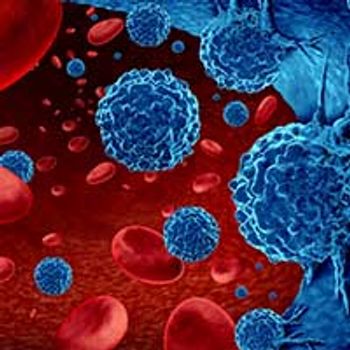
The prediction of relapse following treatment with allogeneic stem cell transplant in patients with acute myeloid leukemia in first complete remission remains an unmet need due to limitations attributed to measurable residual disease detection methods.

The addition of the TKI ponatinib to reduced-intensity chemotherapy led to an increase in minimal residual disease-negative complete remission rate at the end of induction compared with imatinib among patients with Philadelphia chromosome-positive acute lymphoblastic leukemia.

Varying outcomes were observed among adolescent and young adult patients with Philadelphia chromosome-negative acute lymphoblastic leukemia who were treated with pediatric-inspired protocols vs adult chemotherapy regimens.

The safety profiles and the high response rates observed with bispecific antibodies in patients with B-cell lymphoma suggest that these agents possess the potential to revolutionize the management of these diseases, particularly follicular lymphoma.
Treatment with ibrutinib for at least 5 years showed favorable complete response rates and tolerability in patients with chronic lymphocytic leukemia/small lymphocytic lymphoma who were randomized to receive the BTK inhibitor in the phase 3 RESONATE-2 trial.
Fixed-duration treatment with ibrutinib and venetoclax led to deeper and prolonged undetectable minimal residual disease responses vs chlorambucil and obinutuzumab in the frontline treatment of elderly or unfit patients with chronic lymphocytic leukemia, translating to fewer relapses in the first year following treatment cessation.
Gilteritinib, in combination with induction and consolidation chemotherapy, generated responses in patients with newly diagnosed acute myeloid leukemia, including those with FLT3 mutations, according to data from a phase 1 trial.
Ivosidenib plus venetoclax with or without azacitidine showed an expected and tolerable safety profile with durable responses and a prolonged survival rate across acute myeloid leukemia disease groups.
Oral decitabine plus cedazuridine added to oral venetoclax demonstrated promising overall response rates in patients with acute myeloid leukemia who received the combination as a first-line treatment or after relapsing on prior therapies.

Loncastuximab tesirine-lpyl combined with rituximab demonstrated encouraging antitumor activity and a feasible safety profile in patients with relapsed/refractory diffuse large B-cell lymphoma.

Momelotinib induced superior 24-week overall survival rates compared with danazol in thrombocytopenic, symptomatic, and anemic patients with myelofibrosis.

Belantamab mafodotin plus lenalidomide and dexamethasone showed durable responses in patients with relapsed/refractory multiple myeloma.

Treatment with rusfertide generated sustained hematocrit control at levels below 45% in patients with polycythemia vera, leading to a reduced need for repeated phlebotomy and eliminating this need in some patients, according to findings from 2 phase 2 clinical trials.

Ivosidenib plus azacitidine displayed favorable event-free survival, overall survival, and clinical responses compared with placebo plus azacitidine in patients with newly diagnosed, IDH1-mutated acute myeloid leukemia, according to findings from the phase 3 AGILE study.

Five years since the first FDA approval of CAR T-cell therapy in relapsed/refractory lymphoma, there is still much to learn about how to optimize its use, according to Sattva S. Neelapu, MD.

Although there are several classes of drugs either approved, or in development, for the treatment of myeloproliferative neoplasms, a big question remains.

Existing racial and socioeconomic disparities among patients with T-cell non-Hodgkin lymphoma continue to lead to obstacles with access for newly available treatment options.

The JAK1/JAK2 inhibitor ruxolitinib has several clinical uses in the treatment of patients with polycythemia vera and plays an especially important role in adult patients who have had an inadequate response to hydroxyurea.

Ruben A. Mesa, MD, discusses the impact of molecular biology on therapeutic development in myelofibrosis.

Alexey V. Danilov, MD, PhD, discusses the need to identify novel pathways for targeted therapy in chronic lymphocytic leukemia.

Brad S. Kahl, MD, discusses the potential utility of BTK inhibitor–based combinations in the frontline setting of mantle cell lymphoma.

CAR T-cell products targeting CD19 are eliciting clinical activity in patients with indolent non-Hodgkin lymphoma, as seen in the ZUMA-5, SCHOLAR-5, and ELARA trials, but longer follow-up will showcase the true potential of this treatment in this subpopulation.
Treatment with fixed-duration rituximab plus the chemotherapy bendamustine was associated with more favorable outcomes than the triplet of dexamethasone, rituximab, and cyclophosphamide, as well as bortezomib, dexamethasone, and rituximab in patients with treatment-naïve Waldenström macroglobulinemia.

A single dose of ciltacabtagene autoleucel continued to elicit early, deep, and durable responses and showcase a manageable safety profile in heavily pretreated patients with multiple myeloma.