

Similarities in clinical characteristics in these patients despite differences in other genomic alterations may impact potential clinical trial treatment selection.

Your AI-Trained Oncology Knowledge Connection!
Similarities in clinical characteristics in these patients despite differences in other genomic alterations may impact potential clinical trial treatment selection.

Patients with renal cell carcinoma and their families may have a lack of understanding about the disease, clinical trials, and psychosocial impact.
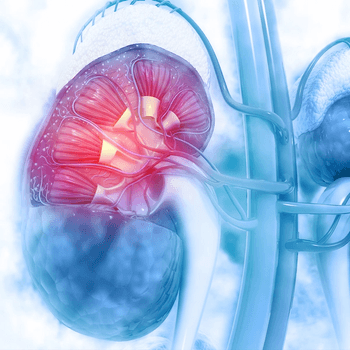
Frontline immunotherapy resulted in improved progression-free survival and overall survival compared with sunitinib in patients with advanced renal cell carcinoma; however, determining the benefit in those with favorable-risk disease must be examined further.

Brigatinib resulted in a 52% reduction in the risk of disease progression or death and a 56% reduction in the risk of intracranial progression compared with crizotinib in patients with ALK-positive non–small cell lung cancer, according to final data from the phase 3 ALTA-1L trial.
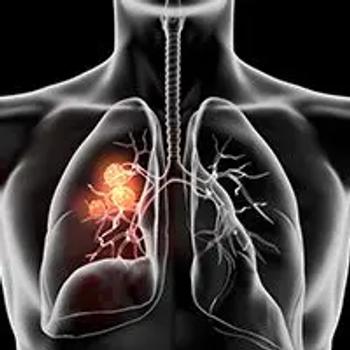
Mobocertinib displayed a manageable safety profile across 40-mg, 120-mg, and 160-mg dose cohorts in Japanese patients with non–small cell lung cancer, which, when coupled with pharmacokinetic analysis, led to the determination of 160 mg as the maximum tolerated dose and recommended phase 2 dose for further study in this population.

Mobocertinib, a novel EGFR tyrosine kinase inhibitor, exhibited clinically meaningful activity in patients with non–small cell lung cancer who harbor EGFR exon 20 insertion mutations following frontline platinum-based chemotherapy when compared indirectly with real-world data of patients treated with standard of care.

Linagliptin plus atezolizumab was linked with limited responses as a second-line treatment for patients with locally advanced or metastatic gastric or gastroesophageal junction cancer who participated in an arm of the open-label, phase 1b/2 MORPHEUS platform.

Patients with endometrial cancer who had a high tumor mutational burden experienced high responses to single-agent dostarlimab-gxly, irrespective of mismatch repair or microsatellite stability status.
Patients with clear cell renal cell carcinoma who received the combination of pembrolizumab and axitinib over sunitinib showed a benefit in adjusted overall survival and type and timing of subsequent therapy in a second interim analysis of the phase 3 KEYNOTE-426 study.

The safety profile of daralutamide in combination with androgen-deprivation therapy was similar to placebo in patients with nonmetastatic castration-resistant prostate cancer.
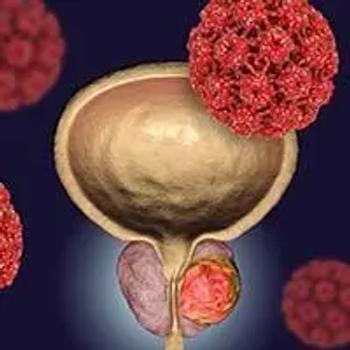
Treatment with darolutamide was associated with statistically significant benefits in episodic memory by computerized cognitive assessment compared with enzalutamide in patients with metastatic castration-resistant prostate cancer.

The 2021 ESMO Congress, held as a virtual format for the second consecutive year, is fast approaching and isn’t holding back in terms of pivotal data across malignancies, especially in breast cancer and gynecologic cancers.

By studying olaparib-sensitive and -resistant cell lines, researchers were able to gather insights regarding PARP inhibitor treatment and resistance mechanisms, including the use of CDK inhibition as a potential means of overcoming PARP inhibitor resistance in prostate cancer.

Olaparib was still found to produce greater clinical benefit than enzalutamide or abiraterone acetate in patients with metastatic castration-resistant prostate cancer when the novel hormonal agents were examined separately rather than combined.
The clinical response to sotorasib could vary in patients with KRAS G12C–mutated non–small cell lung cancer depending on their co-mutational status.

Large surface area microparticle docetaxel administered via direct intramural injection and intravesical instillations was found to be safe and showed preliminary signs of efficacy in patients with high-risk non-muscle invasive bladder cancer.

Toni K. Choueiri, MD, discusses the results of the KEYNOTE-564 study in renal cell carcinoma.

Karim Chamie, MD, discusses the design of the phase 2/3 QUILT-3.032 trial in patients with Bacillus Calmette-Guerín–unresponsive, non–muscle invasive bladder cancer carcinoma in situ.

Neal D. Shore, MD, FACS, discusses the results of the randomized, open label, phase 2 ENACT trial in prostate cancer.

Treatment with the mitomycin-containing reverse thermal gel UGN-101 resulted in a lengthy period of durable response when administered as induction treatment in patients with low-grade upper tract urothelial carcinoma.
Neoadjuvant treatment with cisplatin/pemetrexed plus atezolizumab, followed by maintenance atezolizumab, demonstrated early efficacy with acceptable safety in patients with resectable pleural mesothelioma.

Improvements in quality of life, antitumor immune responses, and inflammation could be resulting benefits of the incorporation of regular yoga practice in the lives of men with prostate cancer who are undergoing prostatectomy.

Magnetic resonance-guided focused ultrasound focal therapy delivered to the index lesion produced better outcomes for men with intermediate-risk prostate cancer compared with radical prostatectomy or radiation therapy.
18F-DCFPyL, a PET prostate specific membrane antigen targeting agent, demonstrated statistically significant potential in detecting biochemical recurrence in men with prostate cancer.

The addition of a recombinant pox-viral vector vaccine Panvac™ to bacillus Calmette-Guérin did not significantly improve clinical outcomes for patients with BCG-unresponsive non–muscle invasive bladder cancer.

Mobocertinib was found to provide a meaningful clinical benefit with acceptable tolerability in patients with EGFR exon 20 insertion–positive metastatic non–small cell lung cancer who had previously achieved disease control of 6 months or longer with EGFR TKIs.
Mobocertinib plus ado-trastuzumab emtansine demonstrated inhibitory effects in HER2 exon 20 insertion–mutated lung cancer cell lines.

The investigational small molecule masitinib plus docetaxel resulted in a statistically significant 21% reduction in the risk of progression or death compared with placebo plus docetaxel in men with metastatic castration-resistant prostate cancer and baseline alkaline phosphatase levels of 250 IU/mL or less.
The addition of avelumab to Bacillus Calmette-Guerin induction therapy appeared to be safe and well tolerated in patients with BCG-unresponsive non–muscle invasive bladder cancer.
Smoking status is not often reported on genitourinary cancer clinical trials, which limits understanding of how smoking impacts the treatment, survival, and quality of life of this patient population.