

Sergio A. Giralt, MD, discusses the potential utility of omidubicel in hematologic malignancies.
Sergio A. Giralt, MD, discusses the potential utility of omidubicel in hematologic malignancies.

The MASP-2 inhibitor narsoplimab demonstrated high response rates and a significant improvement in laboratory markers and organ function irrespective of subgroup in adult patients with high-risk hematopoietic stem cell transplant–associated thrombotic microangiopathy.

Lisocabtagene maraleucel was successfully administered in patients with relapsed/refractory aggressive large B-cell lymphoma who were at nonuniversity medical centers in both the outpatient and inpatient settings through the use of standard operating procedures and multidisciplinary teams

Ruxolitinib has demonstrated sustained efficacy with a lower probability of progression or additional systemic therapeutics in patients with steroid-refractory acute graft-versus-host disease.
The engineered cord endothelial cell product AB-205 showed an encouraging safety profile along with robust effects in eliminating oral/gastrointestinal severe regimen-related toxicities in patients with systemic lymphoma undergoing high-dose therapy and autologous hematopoietic stem cell transplantation.

Anjana Pillai, MD, discusses sequential treatment in hepatocellular carcinoma.

Axicabtagene ciloleucel elicited a high objective response rate of 85%, with a complete response rate of 74% when used as a first-line therapy in patients with high-risk large B-cell lymphoma.
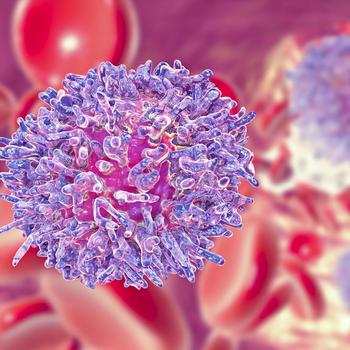
A risk-adapted CD19 CAR T-cell therapy dosing approach allowed pediatric patients with relapsed/refractory acute lymphocytic leukemia to maintain a high rate of remission, while reducing the risk of severe toxicities among those with a high initial disease burden

Nicolaus Kröger, MD, discusses the long-term results of a phase 2 study in multiple myeloma.
Sergio A. Giralt, MD, discusses the results of a phase 3 trial comparing omidubicel with standard umbilical cord blood transplant in hematologic malignancies.

Omidubicel was associated with a significantly improved median time to neutrophil engraftment compared with standard umbilical cord blood transplantation in patients with high-risk hematologic malignancies.

Brexucabtagene autoleucel displayed significant and durable responses and a reduction in adverse effects in patients with relapsed/refractory mantle cell lymphoma.

The emergence of multiple combination regimens with immunotherapy and TKIs has been welcome for the frontline treatment of patients with metastatic renal cell carcinoma; however, without head-to-head comparative data, treatment selection has become individualized based on available patient characteristics.

Treatment options for patients with metastatic urothelial cancer have rapidly expanded as FDA approvals of immunotherapeutics push the boundaries of a once stagnant treatment landscape. Combination regimens and the addition of targeted approaches, further demonstrate progress in areas that have been tough to crack.

Anjana Pillai, MD, discusses the importance of multidisciplinary discussion in hepatocellular carcinoma.

Olaparib and talazoparib failed to demonstrate statistically significant improvements in overall survival compared with chemotherapy in pretreated patients with BRCA1/2-mutant metastatic HER2-negative breast cancer. However, the results are unlikely to affect the drugs’ utility in practice, given that both agents continue to show favorable tolerability and disease control

One year into the COVID-19 pandemic has allowed for some reflection on the different evolutions that the oncology community went through in response to the many challenges posed by the virus.

Stimuli for biologic aging include ionizing radiation, ultraviolet light, diet, exercise, oxidative stresses, and perhaps, worst of all, smoking. All of these can trigger intracellular processes, including DNA methylation, or epigenetic change, telomere shortening and damage, DNA damage, and mitochondrial dysfunction.
A wave of approvals and a rapidly evolving treatment landscape could make the next decade a watershed period in breast cancer care.

Even in 2021, disparities in outcomes of younger women with breast cancer vs their older counterparts remain; addressing behavioral issues and psychological concerns in this population could vastly improve their quality of life, treatment adherence, and ultimately, survival.

Off Our Chests: A Candid Tour Through the World of Cancer is a memoir that dives into Liza Marshall’s breast cancer journey.

Although phase 3 data suggest that the addition of checkpoint inhibitors to neoadjuvant chemotherapy could improve pathologic complete response rates for patients with early-stage triple-negative breast cancer, immature data and the risk of long-term toxicity indicate that the therapy is not ready for primetime

Kevin Kalinsky, MD, MS, discusses the potential of antibody-drug conjugates across breast cancer subtypes.

Hope S. Rugo, MD, discusses the benefit of margetuximab-cmkb in patients with HER2-positive breast cancer who have received prior HER2-targeted therapies.

The introduction of new therapies for patients with recurrent HER2-positive metastatic breast cancer has resulted in a crowded landscape for third-line treatments and beyond, raising questions about how best to sequence a wealth of options.

Targeted agents and chemotherapy regimens are at the crux of systemic research efforts focused on improving outcomes for patients with breast cancer who have brain metastases and/or leptomeningeal disease.

Debu Tripathy, MD, discusses efforts being made to minimize the risk of disease recurrence in patients with early-stage HER2-positive breast cancer.

Olufunmilayo Falusi Olopade, MD, FACP, discusses racial disparities in breast cancer outcomes.

With the identification of numerous molecular abnormalities that can affect treatment and the course of disease in patients with breast cancer, it’s become understood that genetic profiling can define clinical trial eligibility, the presence or absence of aberrations help to drive treatment decisions, and variants can be predictive for response or resistance.

Although there is evidence to suggest that surgery with or without radiation therapy can be utilized in some patients with stage IV breast cancer who have experienced locoregional progression or symptoms to some success with regard to locoregional disease control, most patients will not achieve a survival benefit.