
Carmela Hoefling, RN, MSN, APN-C, AOCNP, advanced practice nurse, Gastrointestinal/Hepatobiliary Oncology Program, Rutgers Cancer Institute of New Jersey, discusses the effects that malnourishment can have on surgery.

Your AI-Trained Oncology Knowledge Connection!
Carmela Hoefling, RN, MSN, APN-C, AOCNP, advanced practice nurse, Gastrointestinal/Hepatobiliary Oncology Program, Rutgers Cancer Institute of New Jersey, discusses the effects that malnourishment can have on surgery.
Joel Stettler, BSN, RN, OCN, Moffitt Cancer Center, discusses procedures implemented at his institution for patients who are at risk for falls.Â

Developing a skin rash as a result of EGFR-inhibitor targeted therapy often signals that the drug is working, but for patients who experience these serious dermatologic adverse events, it may become so intolerable that they will scale back or even discontinue anticancer medications that could prolong their survival.

With the growing use of oral therapies in cancer care, it is crucial that oncology nurses are using a systematic approach to assess and improve adherence, according to Whitney Perry, APRN, AOCNP.
The possibility that hospitalized cancer patients will fall is an ongoing concern among the medical professionals who care for them.
Darcy Burbage, RN, MSN, AOCN, CBCN, Helen F. Graham Cancer Center & Research Institute, discusses the role nurses play in treating patients with chemotherapy-induced peripheral neuropathy (CIPN).
David Eagle, MD, past president of the Community Oncology Alliance (COA) and partner in Lake Norman Oncology, Mooresville, North Carolina, discuss controlling costs of cancer treatment.
Jeff Geschwind, MD, professor and chairman, Radiology and Biomedical Imaging, Yale Cancer Center, discusses locoregional treatment options for patients with hepatocellular carcinoma (HCC).
A number of novel therapies are currently being explored as second-line treatments for patients with advanced hepatocellular carcinoma, including a host of targeted therapies and various immune checkpoint inhibitors.
Immunotherapy approaches are showing early signs of activity against a range of gastrointestinal cancers, defying the skeptical view that these tumors would not respond to the emerging agents succeeding in other malignancies.

Douglas B. Evans, MD, FACS, Chair, Professor, Donald C. Ausman Family Foundation Professor of Surgery, Medical College of Wisconsin, discusses how to appropriately sequence therapies for pancreatic cancer.
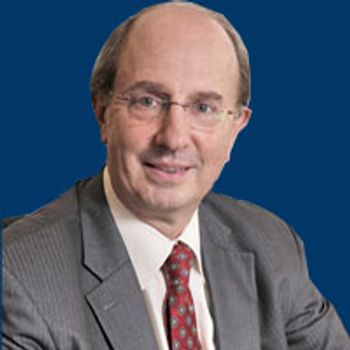
Michael Choti, MD, explains the impact of advancements in the treatment of patients with liver cancer and how building on them will require all oncology professionals to work as a team.
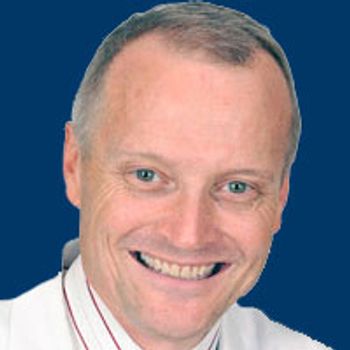
Cancer care is shifting from a consumption to a value-based model, and precision oncology should play a vital role in that process by helping to deliver more effective therapies with more manageable pricing profiles.
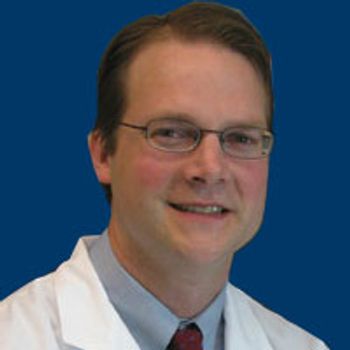
Given the numerous available treatment options, the most important issue in frontline colorectal cancer care is clarifying the goals of therapy.
Tanios Bekaii-Saab, MD, professor of Medicine, Mayo Clinic, discusses about 2 agents, regorafenib and TAS-102, for the treatment of patients with treat colorectal cancer.
John L. Marshall, MD, discusses how the management of patients with gastrointestinal cancers requires a multidisciplinary approach.
Dr. Christopher Heery, medical oncologist, National Cancer Institute, discusses the progress that has been made in the treatment of patients with neuroendocrine tumors.
More than one-third of patients with previously untreated renal cell carcinoma responded to the combination of high-dose interleukin-2 and an investigational histone deacetylase inhibitor entinostat.
Robert Ferris, MD, PhD, vice chair for Clinical Operations, associate director for Translational Research, and coleader of the Cancer Immunology Program at the University of Pittsburgh Cancer Institute, discusses the CheckMate-141 trial, which found that treatment with single-agent nivolumab (Opdivo) reduced the risk of death by 30% and doubled 1-year overall survival (OS) rates compared investigator's choice of therapy for patients with recurrent or metastatic head and neck squamous cell carcinoma (SCCHN).
Samir N. Khleif, MD, director, GRU Cancer Center, discusses next steps researchers and physicians need to take with immunotherapy in the field of oncology.
The addition of three biological markers to conventional breast cancer risk models significantly improved the ability to distinguish women at high and low risk.
Anti–PD-1 therapy in the first-line induced responses in more than half of patients with advanced Merkel cell carcinoma, with encouraging durability to the responses.
Barry M. Berger, MD, FACP, chief medical officer, Exact Sciences, discusses a study demonstrating the benefit of utilization of the Cologuard screening test for colorectal cancer (CRC).
Angela M. DeMichele, MD, professor of Medicine and Epidemiology, University of Pennsylvania, discusses results of the HER2-positive breast cancer cohort of the phase II ISPY-2 trial, which investigated the neoadjuvant combinations of ado-trastuzumab emtansine (T-DM1) and pertuzumab (Perjeta) versus paclitaxel (Abraxane) and trastuzumab (Herceptin).
Treatment with single-agent nivolumab reduced the risk of death by 30% and double 1-year overall survival rates compared investigator's choice of therapy for patients with recurrent or metastatic head and neck squamous cell carcinoma.
Fred R. Hirsch, MD, PhD, professor of medicine and pathology, University of Colorado Cancer Center, CEO, International Association for the Study of Lung Cancer (IASLC), discusses necitumumab for first-line treatment of advanced squamous non-small cell lung cancer (NSCLC).
Three currently available assays for PD-L1 expression exhibited a high degree of correlation in a comparative study involving archived lung cancer tissue.
The combination of ado-trastuzumab emtansine and pertuzumab was superior to the combination of paclitaxel and trastuzumab as neoadjuvant treatment for women with HER2-positive breast cancer.
The combination of the PARP inhibitor olaparib and the investigational AKT inhibitor AZD5363 resulted in durable responses in patients with solid tumors, with and without BRCA mutations.
Chest radiotherapy to treat a childhood cancer is a well-established risk factor for developing breast cancer in adulthood