
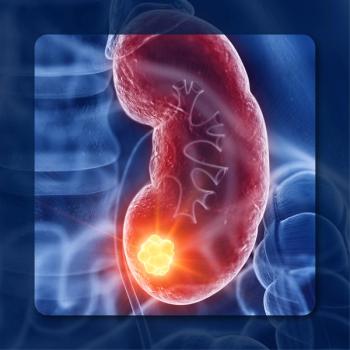
CBM588 plus cabozantinib and nivolumab shows early efficacy in metastatic renal cell carcinoma.
CBM588 plus cabozantinib and nivolumab shows early efficacy in metastatic renal cell carcinoma.

Efficacy results remained consistent with previous reports in the cabozantinib, nivolumab, and ipilimumab arm for patients with advanced renal cell carcinoma.
The combination of first-line avelumab and axitinib was effective and safe in a real-world analysis of patients with advanced RCC.
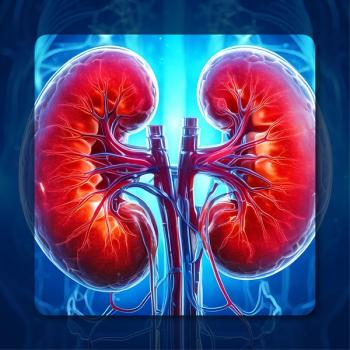
Updated results further supported the feasibility of VEGFR TKI interruption and immunotherapy maintenance in advanced renal cell carcinoma.

Neoadjuvant lenvatinib plus pembrolizumab followed by adjuvant pembrolizumab was safe and effective in patients with locally advanced, nonmetastatic ccRCC.
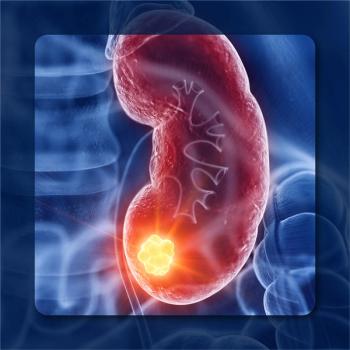
Greater responses were observed in a cohort of patients with renal cell carcinoma receiving lenvatinib plus belzutifan vs pembrolizumab plus lenvatinib.

An ER model analysis showed that 1.34 mg of tivozanib provided a greater decrease in tumor size and may be more tolerable than an 0.89-mg dose in RCC.

Orca-T improved OS vs post-transplant cyclophosphamide in a retrospective analysis of patients with hematologic malignancies.
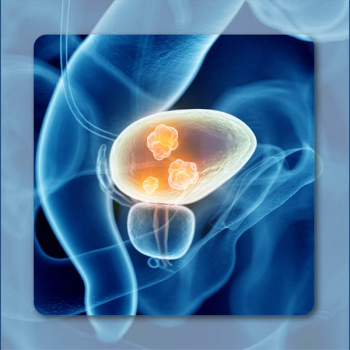
Data spotlighted that the addition of perioperative durvalumab to radical cystectomy and adjuvant chemotherapy improved outcomes in MIBC.

Dato-DXd generated durable responses and produced no new safety signals in patients with heavily pretreated, locally advanced/metastatic urothelial cancer.

Enfortumab vedotin plus pembrolizumab maintains compelling benefit over chemotherapy in untreated locally advanced or metastatic urothelial cancer.

One-year follow-up data from an ongoing phase 1 study showed that Orca-Q offered similar benefits as T-cell depletion, without the typical compromises seen.
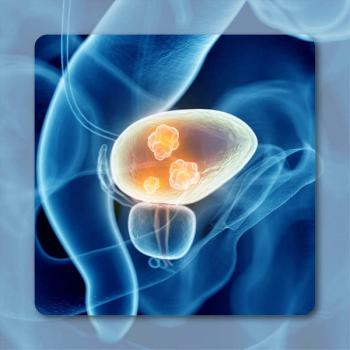
Avelumab first-line maintenance improved survival outcomes in advanced urothelial carcinoma, regardless of diabetes status.
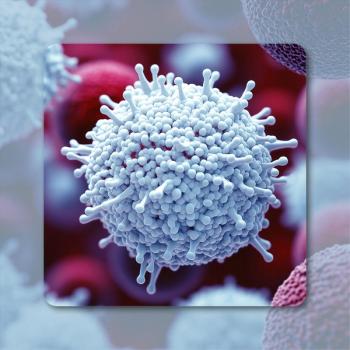
MRD-negative remissions with obe-cel were more durable and associated with higher EFS and OS rates vs MRD-positive remissions in relapsed/refractory B-ALL.
Axatilimab displayed similar efficacy regardless of the number of prior lines of therapy in chronic graft-versus-host disease.

UGN-102 generated robust, durable responses in patients with low-grade, intermediate-risk NMIBC, in analyses of the phase 3 ENVISION and ATLAS studies.

Laurence Albigès, MD, PhD discusses final OS data and biomarker analyses with cabozantinib plus nivolumab and ipilimumab in intermediate- or poor-risk RCC.

Orca-T with reduced-intensity conditioning displayed robust and early donor myeloid and T-cell engraftment in advanced hematologic malignancies.
Enfortumab vedotin, both as monotherapy and in combination with pembrolizumab, demonstrated clinical activity in patients with UTUC lesions.

Ruxolitinib plus standard GVHD prophylaxis reduced GVHD in patients with myelofibrosis undergoing transplant.

Consistent DFS benefit was observed with adjuvant nivolumab vs placebo in all patients with muscle-invasive bladder cancer enrolled in CheckMate-274.

Enfortumab vedotin significantly improved outcomes for patients with unresectable or metastatic urothelial carcinoma, according to real-world data.
Favorable responses were demonstrated with the treatment of axatilimab plus ruxolitinib/belumosudil in heavily pretreated patients with chronic GVHD.
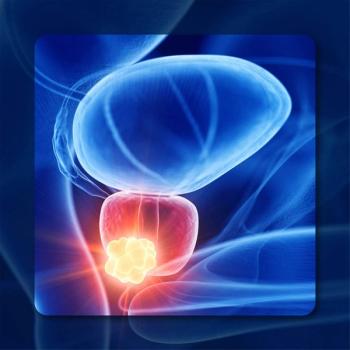
Responses were similar among patients with estrogen patches and ARPIs compared to aLHRH and ARPIs in metastatic prostate cancer.

Nirav Shah, MD, MSHP, discusses evaluating zamtocabtagene autoleucel in patients with relapsed/refractory diffuse large B-cell lymphoma

Dr Dholaria discusses the phase 1 trial of P-BCMA-ALLO1, highlighting high response rates, rapid CAR T-cell expansion, and a favorable safety profile in RRMM.

Sairah Ahmed, MD, discusses evaluating NKTR-255 in combination with CD19-directed CAR T-cell therapy in patients with relapsed/refractory large B-cell lymphoma.

P-BCMA-ALLO1 displayed early efficacy and safety data in relapsed/refractory multiple myeloma.

Zamto-cel produced responses and was associated with low rates of CD19 and/or CD20 antigen loss in relapsed/refractory diffuse large B-cell lymphoma.