

Retrospective Analysis Shows Frailty Leads to Worsened Outcomes After Surgery in Gynecologic Cancers
Postoperative outcomes may be worse among patients with gynecologic cancers who are elderly or frail.
Postoperative outcomes may be worse among patients with gynecologic cancers who are elderly or frail.

OS outcomes with lenvatinib plus pembrolizumab were prolonged in patients with PPP2R1A-mutated vs wild-type high-risk endometrial cancer.

The EMA’s CHMP has adopted a positive opinion regarding frontline nivolumab plus ipilimumab in unresectable or advanced hepatocellular carcinoma.

China’s NMPA approved isatuximab plus VRd for newly diagnosed, transplant-ineligible multiple myeloma.

The EMA’s CHMP has recommended the approval of liso-cel for relapsed/refractory follicular lymphoma after at least 2 prior lines of therapy.

The Roberts Proton Therapy Center at Penn Medicine celebrated its 15th anniversary on January 24, 2025.

Shyam A. Patel, MD, PhD, and Saurabh Dahiya, MD, FACP, detail the pathobiology of SPCs after CAR T-cell therapy and findings from a review on the cancers.

Pooja Phull, MD, discusses real-world responses and survival outcomes with cilta-cel vs ide-cel in patients with relapsed/refractory multiple myeloma.

High-grade disease was associated with worse survival outcomes in Black patients with uterine carcinoma.
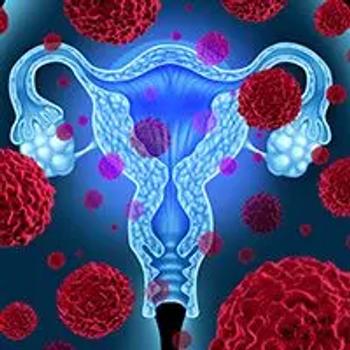
The addition of chemotherapy to radiation therapy following surgery conferred a benefit in certain endometrial cancer molecular subtypes.

An observational cohort study determined that discordance exists between p53 protein expression and TP53 mutation status in high-risk endometrial cancer.
In case you missed any, read a recap of the episodes of OncLive On Air that aired in January 2025.

OQY-3258 (ESG401) showed preliminary efficacy in multiple breast cancer subtypes, including TNBC and HR+/HER2- breast cancer.

The FDA has granted orphan drug designation to the CAR T-cell therapy MB-105 in CD5-positive T-cell lymphoma.

The number of patients receiving immune checkpoint inhibitors and PD-L1 testing for treatment of gastroesophageal cancer increased following FDA approval.

The European Commission has approved blinatumomab as consolidation therapy for Ph-negative, CD19-postive B-cell precursor acute lymphoblastic leukemia.

CARGO Therapeutics announced that it will discontinue the phase 2 FIRCE-1 trial evaluating firi-cel in relapsed/refractory large B-cell lymphoma.

Anetumab ravtansine plus bevacizumab failed to improve efficacy vs paclitaxel plus bevacizumab in platinum-resistant high-grade ovarian cancer.

Results from SWOG S1815 showed no survival benefit for nab-paclitaxel plus gemcitabine and cisplatin in advanced biliary tract cancer.

Patients with BRAF V600E-mutant metastatic colorectal cancer experience poor clinical outcomes, according to real-world data.
T-DM1 was found to be tolerable, but progression-free survival was not improved vs historical data in HER2-positive biliary tract cancer.

A final analysis of the LIGHT trial showed olaparib demonstrated higher OS rates in patients with relapsed ovarian cancer who had germline or somatic BRCA mutations.

CAR T-cell therapies are associated with a risk for second primary cancers, and mitigation strategies for these toxic effects are warranted and under examination.

Marcia Cruz-Correa, MD, PhD, AGAF, FASGE, discusses the FDA approval of tislelizumab with chemotherapy for advanced gastric or GEJ adenocarcinoma.
MECCC Earns Three-Year Accreditation from the Commission on Cancer of the American College of Surgeons – Again!

The REZILIENT1 study of zipalertinib in pretreated patients with NSCLC harboring EGFR exon 20 insertion mutations met its primary end point of ORR.

Azenosertib (ZN-c3) monotherapy was active in heavily pretreated patients with cyclin E1–positive platinum-resistant ovarian cancer.
Findings from an oncogene overlap study in NSCLC support the potential clinical impact of high-level amplification of MET, HER2, and KRAS defined by NGS.

R. Lor Randall, MD, FACS, discusses the utility of routine intraoperative frozen section in soft tissue sarcomas and the impact of added costs.
Overall survival data were linked with baseline geriatric assessment and QOL scores in patients with metastatic pancreatic ductal adenocarcinoma.