

The National Institute for Health and Care Excellence has issued final guidance supporting use of neoadjuvant pembrolizumab in combination with chemotherapy, followed by adjuvant pembrolizumab, for adults with triple-negative breast cancer.
The National Institute for Health and Care Excellence has issued final guidance supporting use of neoadjuvant pembrolizumab in combination with chemotherapy, followed by adjuvant pembrolizumab, for adults with triple-negative breast cancer.
The increasing integration of CAR T-cell therapies into the treatment paradigm for adult patients with relapsed or refractory multiple myeloma addresses several unmet needs and improves outcomes for this historically limited patient population.

Press Release
A targeted therapy for children with high-risk Hodgkin lymphoma was shown to significantly reduce relapse rates when tested in a clinical trial conducted by the Children’s Oncology Group and led by pediatric oncologists at Roswell Park Comprehensive Cancer Center, Children’s Healthcare of Atlanta and Winship Cancer Institute of Emory University.
Immunotherapy followed by targeted therapy has emerged as the new standard of care for patients with melanoma with BRAF V600 mutations.
Regorafenib plus ipilimumab and nivolumab led to encouraging survival and responses in approximately half of patients with microsatellite stable, non–liver metastatic colorectal cancer who progressed on prior chemotherapy.
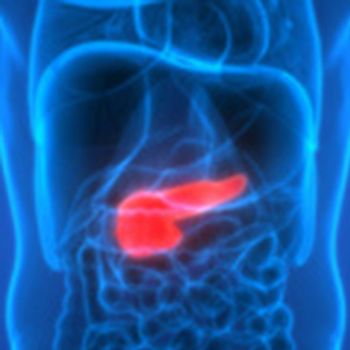
The liposome formulation of irinotecan, HR070803, in combination with 5-fluororacil and leucovorin provided a statistically significant overall survival benefit to patients with gemcitabine-refractory locally advanced or metastatic pancreatic cancer.
CA-125 levels increased as renal medullary carcinoma worsened and decreased with treatment response.
The addition of CBM588 to the combination of nivolumab and ipilimumab produced superior response rates and a progression-free survival benefit vs nivolumab plus ipilimumab alone in previously untreated patients with metastatic renal cell carcinoma.

Fulvestrant plus palbociclib improved outcomes following an aromatase inhibitor plus palbociclib for patients with estrogen receptor–positive, HER2-negative advanced breast cancer with rising ESR1 mutation, according to updated findings from the phase 3 PADA-1 trial.
Belantamab mafodotin-blmf did not generate a progression-free survival benefit vs the combination of pomalidomide plus low-dose dexamethasone, failing to meet the primary end point of the phase 3 DREAMM-3 trial.
Press Release
Atrium Health Levine Cancer Institute’s breast cancer program has been granted accredited status by the National Accreditation Program for Breast Centers, a quality program administered by the American College of Surgeons.

Data presented at the ESMO Congress 2022 highlighted advances across treatment modalities, including landmark data for trials in melanoma, breast cancer, and lung cancer, as well as early data that made headlines in a subgroup of patients with colon cancer.
Kathleen N. Moore, MD, MS, discusses the clinical implications of the potential FDA approval of mirvetuximab soravtansine, observations from other antibody-drug conjugates under investigation in clinical trials, and the rationale of examining PARP inhibitor–based combinations in ovarian cancer.
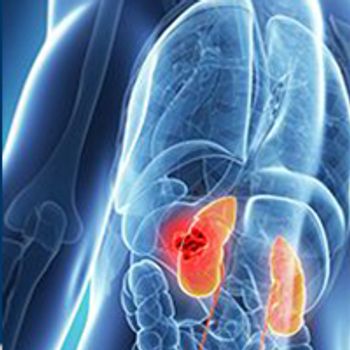
Kiran Virdee, RN, BSN, CCRN-K, outlines the best practices for the management of adverse effects during the treatment of kidney cancer.

Rana M. McKay, MD, and Yousef Zakharia, MD, debate the pros and cons of doublet vs triplet combination therapies in the frontline setting for patients with renal cell carcinoma.

Tivozanib continued to display a progression-free survival benefit and rates vs sorafenib in patients with relapsed/refractory renal cell carcinoma who received 2 or 3 prior systemic regimens.
The combination of nivolumab and ipilimumab led to significant improvements in survival vs sunitinib in patients with intermediate- and poor-risk renal cell carcinoma with sarcomatoid features.

Lenvatinib plus pembrolizumab reduced the need for second-line therapy by 42.8% compared with sunitinib in patients with advanced renal cell carcinoma.

Patients with treatment-naïve advanced renal cell carcinoma who received nivolumab plus cabozantinib achieved deeper objective responses leading to improved progression-free survival and overall survival rates vs those who received sunitinib, according to exploratory data from the CheckMate 9ER trial.
The combination of lenvatinib plus everolimus is under evaluation vs cabozantinib in the phase 2 LenCabo trial for patients with metastatic renal cell carcinoma who have progressed on prior treatment with a PD-1/PD-L1 immune checkpoint inhibitor.

Five-year follow-up data from the phase 3 KEYNOTE-189 trial further confirms the use of first-line pembrolizumab in combination with pemetrexed and platinum improves long-term survival outcomes for patients with treatment-naïve, metastatic, nonsquamous non–small cell lung cancer.
Bradley McGregor, MD, discusses the factors that affect frontline treatment decisions for patients with advanced RCC, the importance of longer-term follow-up of phase 3 trials in kidney cancer, and the benefits of dual immunotherapy and immunotherapy/TKI treatment combinations.

Press Release
Evaluating tumor’s genomic profile enables patients to receive more targeted and customized treatment, as well as increased eligibility for clinical trials.
Eric Jonasch, MD, discusses key clinical trials that are paving the way for improved treatment sequencing in renal cell carcinoma and the prospective benefits of neoadjuvant cabozantinib in nonmetastatic clear cell renal cell carcinoma.
Ibrutinib induced a cumulative overall response rate of 90.0% in 3-year findings from the Belgian Ibrutinib Real‑World Data study of patients with previously untreated or relapsed/refractory chronic lymphocytic leukemia.
Bobbie J. Rimel, MD, discusses how PARP inhibitors are deployed across different treatment settings of ovarian cancer, the recent market withdrawal of PARP inhibitors in later-line indications, and ongoing research efforts at Cedars-Sinai Medical Center for patients with ovarian cancer.

Melissa L. Johnson, MD, shares key insights from the meeting, including pertinent findings in KRAS G12C¬–mutated NSCLC from the phase 3 CodeBreak 200 study and positive findings with atezolizumab in platinum-ineligible patients with NSCLC.
Press Release
Continued treatment for patients with cancer near end of life delays conversations about goals of care and hospice enrollment, escalates costs, and may adversely affect the quality of care patients receive.

The FDA has granted a breakthrough therapy designation to elranatamab for the treatment of patients with relapsed/refractory multiple myeloma.

SRF388 elicited responses in pretreated patients with locally advanced or metastatic non–small cell lung cancer.