

TROP-2 and Nectin-4, surface cell targets of sacituzumab govitecan and enfortumab vedotin, respectively, are highly expressed in urothelial cancer and variant histology bladder cancer.
TROP-2 and Nectin-4, surface cell targets of sacituzumab govitecan and enfortumab vedotin, respectively, are highly expressed in urothelial cancer and variant histology bladder cancer.
Infigratinib yielded notable activity and tolerability in patients with localized upper tract urothelial carcinoma harboring FGFR1/2/3 mutations.
The novel, near-infrared, prostate-specific membrane antigen-targeted fluorophore IS-002 was safe, well-tolerated, and allowed for enhanced intraoperative tumor detection in patients undergoing robotic prostatectomy.

Patients with low-grade non-muscle invasive bladder cancer who received the chemoablative reverse thermal gel UGN-102 were found to have maintained health-related quality-of-life outcomes.
Neoadjuvant axitinib facilitated partial nephrectomy in patients with clear cell renal cell carcinoma and complex masses with an imperative indication for nephron-sparing surgery but no viable pathway to receive the procedure.

The combination of darolutamide plus androgen deprivation therapy and docetaxel presents adverse effects that are similar to those experienced with ADT plus docetaxel alone in patients with metastatic hormone-sensitive prostate cancer.
Complementary approaches to quantifying overdiagnosis generated a more beneficial harm-benefit tradeoff of prostate-specific antigen screening, compared with previous estimates that used shorter follow-up from the introduction of screening.

Cisplatin-ineligible patients with locally advanced muscle invasive bladder cancer undergoing chemotherapy may benefit from simultaneous treatment with intravenous vitamin C.
Avelumab plus best supportive care produced a benefit in overall survival in patients with advanced urothelial carcinoma that had not progressed with first-line platinum-based chemotherapy.
Darolutamide elicited consistent benefits in overall survival and prostate-specific antigen outcomes, irrespective of prior local therapy with radiotherapy or radical prostatectomy, in patients with nonmetastatic castration-resistant prostate cancer.
Results from a detailed safety analysis of the pivotal phase 3 HERO trial showed that relugolix, an oral gonadotropin-releasing hormone receptor antagonist, had an acceptable toxicity profile with favorable tolerability in patients with advanced prostate cancer.
Enzalutamide added to androgen deprivation therapy demonstrated a benefit in overall survival, radiographic progression-free survival, undetectable prostate-specific antigen rates, objective response rates, and other end points vs placebo/ADT in patients with metastatic hormone-sensitive prostate cancer regardless of whether or not they received prior local therapy.

Darolutamide was found to have a favorable safety and tolerability profile in patients with metastatic castration-resistant prostate cancer who were enrolled to the phase 1 ARAFOR study and received extended treatment with the agent for more than 4 years.
The addition of niraparib to abiraterone acetate and prednisone achieved for promising response rates in patients with metastatic castration-resistant prostate cancer and homologous recombination repair gene alterations who had progressed on prior treatment with an androgen receptor–targeted therapy.

According to longer follow-up data from the phase 3 CheckMate 274 trial, patients with high-risk, muscle-invasive urothelial carcinoma continued to experience clinically meaningful improvements in disease-free survival when treated with adjuvant nivolumab vs placebo.

PET/CT scans conducted with 18F-rhPSMA-7.3 frequently resulted in post-scan disease upstaging compared with baseline conventional imaging in patients with prostate cancer recurrence.

The addition of the IL15RaFc superagonist N-803 to Bacillus Calmette–Guérin led to prolonged complete responses and disease-free survival (DFS) in patients with BCG-unresponsive non–muscle invasive bladder cancer with carcinoma in situ and papillary histology, respectively.
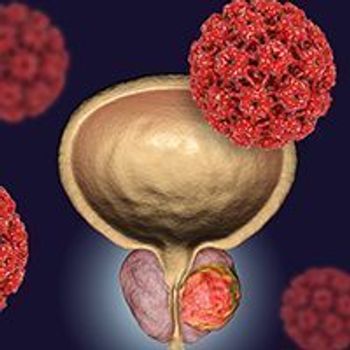
Patients with metastatic urothelial carcinoma who received pembrolizumab achieved prolonged median progression-free and overall survival after experiencing an immune-related adverse effect.

Advancements in treatment options across the spectrum on women’s cancers include de-escalating therapy in HER2-positive breast cancer, using tisotumab vedotin-tftv in cervical cancer, shifting therapies to the frontline setting in endometrial cancer, and using checkpoint inhibitors in ovarian cancer.
The combination of sotigalimab and nivolumab elicited durable responses with a reasonable safety profile in patients with melanoma who were refractory to anti–PD-1 therapy, according to data from a phase 2 trial.
Press Release
Innovative advances in personalized care, immunotherapy, and targeted treatment for people with many types of cancer were the focus of the inaugural Miami Precision Medicine Conference, held April 2 at the Ritz-Carlton in Fort Lauderdale.

The addition of navicixizumab to paclitaxel produced encouraging responses with manageable toxicity in patients with platinum-resistant ovarian cancer irrespective of prior treatment with bevacizumab.
Edward Kim, MD, MBA, discussed the facets of each presentation from the meeting, featuring other emerging targeted therapies in NSCLC, biomarker testing in the space, frontline immunotherapy in NSCLC, and the current management of small cell lung cancer.

Bijal Shah, MD, MS, discusses the results of a phase 2 pilot study investigating CPX-351 in adults with high-risk relapsed/refractory acute lymphoblastic leukemia, as well as next steps for research in this patient population.

Seventy percent of practicing oncologists had experienced sexual harassment by peers or superiors within 1 year, highlighting a substantial issue for both women and men, according to findings from a study that were published in the Journal of Clinical Oncology.

Treatment regimens that include ovarian suppression with a gonadotropin-releasing hormone agonist have gained momentum in recent years as a potential solution to address treatment-related early menopause for women with breast cancer.

Press Release
With the aid of a $3.5 million National Institutes of Health grant, investigators from Rutgers Cancer Institute of New Jersey, along with Holden Cancer Center at the University of Iowa, and the University of Texas MD Anderson Cancer Center, are collaborating on a project to address lung cancer screening disparities among individuals with a history of heavy smoking
Up to 40% of patients with diffuse large B-cell lymphoma are refractory to or relapse after first-line treatment.
The treatment landscape continues to expand across non–small cell lung cancer, with the FDA approvals of multiple agents, including targeted therapies such as sotorasib and lorlatinib.
Two investigated doses of vibostolimab in combination with pembrolizumab resulted in comparable antitumor activity and safety in patients with locally advanced or metastatic cervical cancer who were naïve to PD-1/PD-L1 inhibitors, regardless of PD-L1 status.