
Overall health status and quality of life were maintained among patients with HER2-positive metastatic breast cancer who were treated with fam-trastuzumab deruxtecan-nxki compared with those who received ado-trastuzumab emtansine.
Overall health status and quality of life were maintained among patients with HER2-positive metastatic breast cancer who were treated with fam-trastuzumab deruxtecan-nxki compared with those who received ado-trastuzumab emtansine.

Press Release
John Theurer Cancer Center at Hackensack University Medical Center in Hackensack has treated the first patient in the country with an investigational new drug for relapsed glioblastoma and other anaplastic gliomas.

Data-driven health economics and outcomes research offers clinicians effective methods for improving quality of life and outcomes for patients and optimizing economic benefits for the practice.

Neoadjuvant therapy generated similar benefits to adjuvant therapy in patients with early-stage, HER2-positive breast cancer treated in China, suggesting that neoadjuvant therapy should be used in this patient population.

Sacituzumab govitecan-hziy maintained clinical benefit in patients with metastatic triple-negative breast cancer regardless of HER2 expression according to a post hoc analysis of the phase 3 ASCENT trial.

Press Release
The Pillai lab will explore off-the-shelf, innate natural killer T cell immunotherapies that can be targeted against challenging tumors.
The combination of bendamustine and rituximab plus autologous stem cell transplantation and maintenance rituximab was shown to be an effective first-line treatment with comparable outcomes to R-CHOP/R-DHAP plus ASCT and observation in young patients with transplant-eligible mantle cell lymphoma.
The addition of ribociclib to fulvestrant continued to significantly prolong overall survival, delayed time to second disease progression, and improved chemotherapy-free survival vs placebo plus fulvestrant in the first-line treatment of patients with advanced hormone receptor–positive, HER2-negative breast cancer.

Although molecular biomarkers are becoming increasingly relevant in cancer care, community oncologists confront a plethora of challenges in translating research findings into practice.

A novel combination comprised of the investigational bispecific antibody CTX-009 and paclitaxel was found to produce responses in 4 subtypes of biliary tract cancer with favorable safety and tolerability, according to interim results from an ongoing phase 2 trial.

Marcela Mazo Canola, MD, discusses pivotal trials in early-stage and metastatic HER2-positive breast cancer, plus ongoing trials to watch.

The FDA has approved fam-trastuzumab deruxtecan-nxki for adult patients with unresectable or metastatic HER2-positive breast cancer who have previously received an anti–HER2-based regimen either in the metastatic setting, or in the neoadjuvant or adjuvant setting, and have developed disease recurrence during or within 6 months of therapy completion.
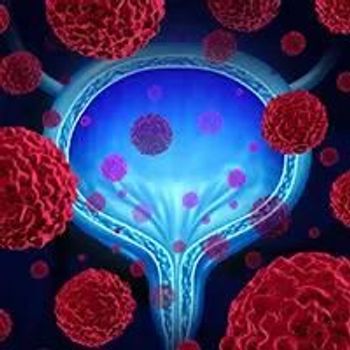
The safety and efficacy of the combination of the oncolytic immunotherapy CG0070 and nivolumab is under exploration as a potential therapeutic option in patients with muscle-invasive bladder cancer who are ineligible for cisplatin-based chemotherapy, as part of the phase 1b CORE-002 trial.

The FDA has granted a fast track designation to the myeloid kinome inhibitor, HM43239, for use as a potential therapeutic option in patients with relapsed or refractory acute myeloid leukemia whose tumors harbor a FLT3 mutation.
Ruben A. Mesa, MD, discusses the different disparities that are known to affect cancer care and key efforts being made to address them.
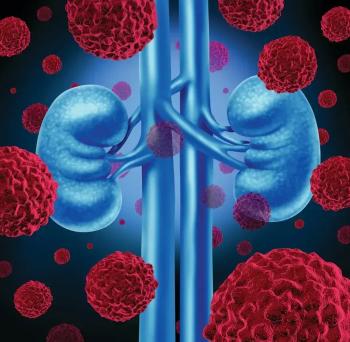
The investigational RNA interference therapy, ARO-HIF2, reduced levels of hypoxia inducible factor-2 alpha expression and had acceptable tolerability when used in patients with clear cell renal cell carcinoma, according to data from the phase 1b AROHIF21001 trial.

Press Release
Most immunocompromised people with multiple myeloma benefited from a third dose of COVID-19 vaccines. However, some people with multiple myeloma still remained vulnerable and may need a fourth dose or antibody treatments as restrictions lift and new variants emerge

The FDA has accepted a supplemental biologics license application and granted priority review to durvalumab in combination with standard gemcitabine and cisplatin for the treatment of patients with locally advanced or metastatic biliary tract cancer.
Mark Awad, MD, PhD, discusses how the approval of nivolumab opens the door for the new regimen to become a backbone for future treatment strategies.

Pembrolizumab with or without chemotherapy resulted in a numerically longer overall survival benefit vs cetuximab plus chemotherapy in patients with head and neck squamous cell carcinoma and a PD-L1 combined positive score (CPS) between 1 and 19, but did not improve survival in the subset with a PD-L1 CPS of less than 1.

The addition of apalutamide to androgen deprivation therapy was not found to significantly reduce health-related quality of life or increase patient-reported adverse effect burden in patients with metastatic castration-sensitive prostate cancer enrolled to the phased 3 TITAN trial.

The European Commission has approved the use of cabozantinib for use as a single agent in adult patients with locally advanced or metastatic differentiated thyroid carcinoma who are refractory or not eligible to receive radioactive iodine and who have progressed during or following previous systemic treatment.

Thomas Martin, MD, discusses updates from the CARTITUDE-1 trial, as well as the future of CARs and bispecific T cell engagers in multiple myeloma.

Heather McArthur, MD, MPH, discusses key treatment developments in early-stage and metastatic HER2-positive breast cancer and triple-negative breast cancer, plus ongoing research at UT Southwestern Harold C. Simmons Comprehensive Cancer Center.

Press Release
Mount Sinai researchers conducting clinical trials of a drug targeting a cancer gene found that it increased metastatic cancer patients’ survival and was able to work within the brain.
The FDA has accepted a supplemental new drug application and granted priority review to darolutamide plus docetaxel in patients with metastatic hormone-sensitive prostate cancer.

Lori A. Leslie, MD, reviews how the approval of axicabtagene ciloleucel may impact or enhance current practice patterns for adult patients with large B-cell lymphoma.

Anthony Mato, MD, MSCE, discusses current data surrounding BTK inhibitors in chronic lymphocytic leukemia, the benefits of targeted therapies in this population, ways to begin addressing unmet needs, and the importance of improved clinical trial designs for varying patient populations.
The FDA is seeking the approval of toripalimab plus gemcitabine and cisplatin in the frontline treatment of patients with advanced recurrent or metastatic nasopharyngeal carcinoma and for use as a monotherapy in the second-line and later treatment of those with recurrent or metastatic disease.
Although it is not considered to be a standard of care for patients with indolent non-Hodgkin lymphoma, very low dose radiation therapy was found to have efficacy in the palliative setting and to allow for retreatment to the same field when needed.