

Michelle Chi, MD and Jennifer R. Green, MD, share practical points for trainees to approach the initial evaluation for a bleeding-disorder patient.
Michelle Chi, MD and Jennifer R. Green, MD, share practical points for trainees to approach the initial evaluation for a bleeding-disorder patient.

Leslie S. Kersun, MD, MSCE, MSEd, discusses finding the right fellowship program; the challenge of balancing research, patient care, and education as a trainee; and finding one’s focus during fellowship.
A little self-reflection and a lot of self-compassion go a long way in a world of immense change.
With the rapid uptake of novel therapies, including immunotherapy and targeted therapy, shifts in treatment strategies are anticipated in hepatobiliary cancers, locally advanced and advanced pancreatic cancer, gastric/gastroesophageal junction cancers, and metastatic colorectal cancer.

At the onset of the pandemic, hematology/oncology physicians were challenged in counseling patients with serious underlying malignant conditions about their risk for severe disease due to COVID-19.
MUSC Hollings Cancer Center researchers hope to save lives by expanding the Tobacco Treatment Program, first implemented at MUSC Health in 2014, to rural and underserved communities to improve overall patient health, save patients money and reduce the number of premature deaths.
Zandelisib demonstrated significant activity and an encouraging preliminary safety profile in patients with relapsed/refractory follicular lymphoma who have received at least 2 prior systemic therapies.
Maurie Markman, MD on strategies to appropriately evaluate small but clinically relevant patient subsets for whom traditional phase 3 randomized clinical trials are difficult, if not impossible, to complete in a realistically timely manner.
Adam M. Brufsky, MD, PhD, FACP, discusses the rationale to evaluate HER2-directed bispecific antibodies in HER2-positive breast cancer, the emergence of zanidatamab as a potential treatment strategy, and the unmet medical need the agent could fill in this disease.
The FDA has granted a breakthrough therapy designation to patritumab deruxtecan for the treatment of patients with metastatic or locally advanced EGFR-mutated non–small cell lung cancer with disease progression on or after treatment with a third-generation TKI and platinum-based therapies.
James P. Allison, PhD, permanently etched his legacy into immuno-oncology with the development of ipilimumab, work that helped him win a Giants of Cancer Care® award for Scientific Advances in 2014.
Frontline nivolumab plus ipilimumab showcased improved overall survival over chemotherapy and a trend toward improved intracranial progression-free survival and duration of response in patients with advanced non–small cell lung cancer.
Evan J. Lipson, MD, discusses the role of ctDNA in the neoadjuvant, adjuvant, and metastatic settings in the realm of melanoma, remaining questions with this marker, and future directions to optimize its use in this disease.
Lee S. Schwartzberg, MD, discusses the culmination of research with androgen-targeted agents in metastatic androgen receptor–positive, estrogen receptor–positive breast cancer and ongoing research that could lead to a paradigm shift in the second-line setting.
A new drug application has been submitted to the FDA seeking the marketing approval of dovitinib as a potential option in the third-line treatment of patients with renal cell carcinoma.
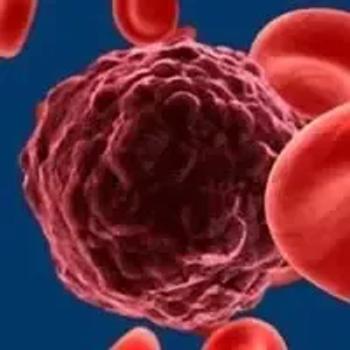
The China National Medical Products Administration has granted a conditional marketing approval to selinexor for use in combination with dexamethasone in patients with relapsed or refractory multiple myeloma who have previously received treatment and whose disease is refractory to at least a proteasome inhibitor, an immunomodulatory agent, and an anti-CD38 monoclonal antibody.

The combination of tumor-infiltrating lymphocyte cell therapy with lifileucel or LN-145 and pembrolizumab demonstrated encouraging efficacy and safety in patients with advanced melanoma, head and neck squamous cell carcinoma, and cervical cancer who were naïve to immune checkpoint inhibitors.
Cancer physicians have long disagreed about whether stem cell transplants from donors with an asymptomatic blood condition called clonal hematopoiesis put recipients at risk for subsequent health problems.

Positive findings from the phase 3 CLEAR, CheckMate 9ER, CheckMate 214, and KEYNOTE-426 trials have led to the swift adoption of combination immunotherapy as the preferred frontline standard of care for the treatment of patients with advanced clear cell renal cell carcinoma, which has been further enforced by a recommendation from the European Association of Urology RCC Guidelines Panel.
Investigators hope to improve upon the efficacy and tolerability of androgens in the treatment of breast cancer with the October 13, 2021, initiation of the phase 3 ARTEST trial.

Naval Daver, MD, discusses he encouraging early data that has been reported with KO-539 and other menin inhibitors in acute myeloid leukemia, data presented with novel KO-539 combinations in this disease, and next steps for research.
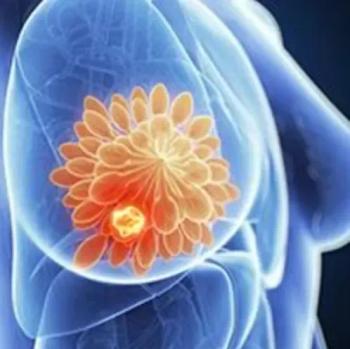
A supplemental new drug application has been submitted to Japan’s Ministry of Health, Labour, and Welfare or the use of fam-trastuzumab deruxtecan-nxki as a treatment in select patients with HER2-positive unresectable or recurrent breast cancer.
The Signatera personalized minimal residual disease test will be leveraged in the phase 2/3 CIRCULATE-US trial to inform treatment strategies in patients with early-stage colorectal cancer.
The addition of lenalidomide to rituximab maintenance treatment significantly improved progression-free survival compared with rituximab alone following first-line chemoimmunotherapy in patients with mantle cell lymphoma.
A biologics license application has been submitted to the FDA seeking the approval of a proposed biosimilar for trastuzumab, a monoclonal antibody that is utilized in the treatment of patients with HER2-positive breast cancer and metastatic gastric cancers.
Cardiac angiosarcoma is an exceptionally rare cancer that has become national news because of the recent death of acclaimed fashion designer, Virgil Abloh. He was 41 years old when he died in November 2021, following a 2-year battle with the disease, which is an aggressive subtype of soft-tissue sarcoma.
Jorge E. Cortes, MD, has been an investigative leader for nearly 30 years in the development of numerous leukemia treatments.
Approval of the drug abatacept opens up bone marrow transplant as an option for many more patients with cancer or blood disorders — especially patients of diverse ethnicities, who have extra difficulty finding a good match
The FDA approvals of several targeted therapies, such as sotorasib, amivantamab-vmjw, and mobocertinib, as well as immunotherapeutic strategies, such as adjuvant atezolizumab, represent significant advances made in 2021 for the treatment of patients with non–small cell lung cancer.
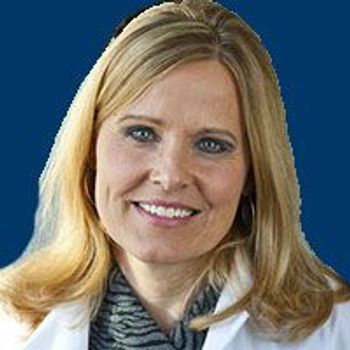
The Board of Directors of the International Association for the Study of Lung Cancer is pleased to announce the appointment of Karen L. Kelly, M.D. to the position of Chief Executive Officer, effective Spring 2022.