

Paying particular attention to the specific type of gene mutation on a molecular testing report is critical in an era of increasing genomic complexity in non–small cell lung cancer.
Paying particular attention to the specific type of gene mutation on a molecular testing report is critical in an era of increasing genomic complexity in non–small cell lung cancer.
The safety and efficacy of luspatercept vs placebo is under exploration in patients with myeloproliferative neoplasm–associated myelofibrosis who are receiving concomitant JAK2 inhibitor therapy and who require red blood cell transfusions, as part of the phase 3 INDEPENDENCE trial.
The addition of ramucirumab to pembrolizumab elicited an encouraging response rate when used in the frontline treatment of patients with recurrent or metastatic head and neck squamous cell carcinoma.

The Scottish Medicines Consortium has accepted fam-trastuzumab deruxtecan-nxki as a treatment option for adult patients with HER2-positive unresectable or metastatic breast cancer who have previously received 2 or more anti–HER2-based therapies.
Pembrolizumab monotherapy produced meaningful, durable responses in patients with previously treated, advanced microsatellite instability–high or mismatch repair–deficient endometrial cancer.

Allegheny Health Network announced its new Center for Genetics and Precision Medicine, which will provide highly personalized and precise medicine by uncovering patients’ DNA changes within cancer cells to determine effective treatments.

The FDA has granted priority review to the supplemental biologics license application of fam-trastuzumab deruxtecan-nxki for the treatment of adult patients with unresectable or metastatic HER2-positive breast cancer who have received a prior anti–HER2-based regimen.1

The recent approval of sotorasib for the treatment of patients with advanced KRAS G12C–mutant non–small cell lung cancer marks a milestone for cancer therapy.
Adam M. Brufsky, MD, PhD, FACP, discusses the significance of the data from DESTINY-Breast03 with trastuzumab deruxtecan vs T-DM1 for patients with metastatic HER2-positive breast cancer, as well as how the findings set the field up to improve outcomes for patients with brain metastases.
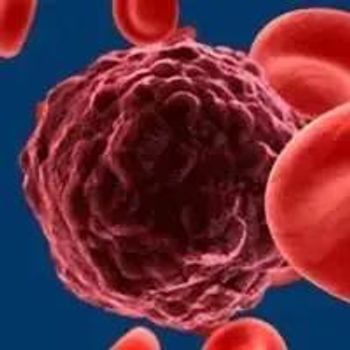
Subcutaneous epcoritamab demonstrated early activity and favorable tolerability in patients with relapsed/refractory chronic lymphocytic leukemia and high-risk features.

Naval Daver, MD, discusses the latest developments in acute lymphoblastic leukemia, chronic lymphocytic leukemia, acute myeloid leukemia, and follicular lymphoma.
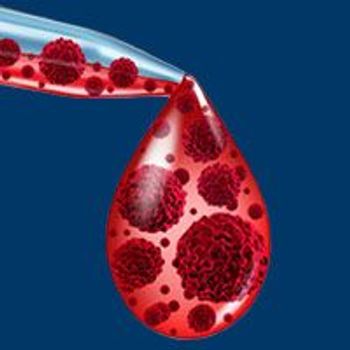
Treatment with ibrutinib in patients with chronic lymphocytic leukemia was linked with increased risk of cardiovascular adverse effects like atrial fibrillation, hospital-diagnosed bleeding, and heart failure, but was not linked with a higher risk of acute myocardial infarction or stroke.
Certain patient and disease characteristics must be considered to select the optimal treatment approach for difficult-to-treat patients with relapsed or refractory multiple myeloma.
Jeffrey S. Weber, MD, PhD, overviews the successes made in the melanoma setting in the past decade and the challenges to overcome in the future.
Robert L. Ferris, MD, PhD, discusses the current standard of care for patients with head and neck cancer, the role of HPV in treatment decisions, and the need to personalize therapy for patients.
Konstantinos Arnaoutakis, MD, discusses new strategies in the management of ALK-positive non–small cell lung cancer, frontline immunotherapy, targeting EGFR, and biomarkers and targeted therapies in early-stage and advanced disease.

A 59-year-old police officer with prostate cancer was treated with the Elekta Unity MR-Linac, a breakthrough innovation that simultaneously generates magnetic resonance images and delivers radiation directly to the tumors.

Sara M. Tolaney, MD, MPH, sheds light on zanidatamab and the data reported with the agent in combination with chemotherapy for the treatment of patients with HER2-positive breast cancer.

Patient education in oncology can often be daunting and complicated for clinicians and patients.

Zanubrutinib elicited a statistically significant improvement in progression-free survival vs the combination of bendamustine and rituximab in patients with treatment-naïve chronic lymphocytic leukemia and small lymphocytic lymphoma.
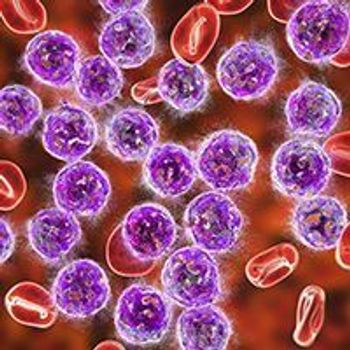
The combination of ibrutinib and rituximab produced a high overall response rate and durable survival in elderly patients with mantle cell lymphoma.

Tomer Mark, MD, discusses the emerging role of minimal residual disease as a surrogate end point in multiple myeloma, treatment selection for patients with newly diagnosed, early relapsed, and late relapsed disease, and the importance of daratumumab being introduced to the treatment paradigm of amyloidosis.

Ruben A. Mesa, MD, discusses JAK inhibitors and other promising agents in the myelofibrosis therapeutic landscape.

Jan A. Burger, MD, PhD, discusses the benefit of combination therapy in patients with chronic lymphocytic leukemia.
Mazyar Shadman, MD, MPH, discusses the utility of MB-106 for the treatment of patients with relapsed/refractory B-cell non-Hodgkin lymphoma (B-NHL) and chronic lymphocytic leukemia.
The addition of ADXS-503 to the treatment of patients with metastatic non–small cell lung cancer who were progressing on pembrolizumab (Keytruda) resulted in encouraging responses and durable disease control, according to findings from the phase 1/2 trial.

Jared Weiss, MD, sheds light on the exploration of adagrasib as a monotherapy and in combination with cetuximab in patients with KRAS G12C–mutated metastatic colorectal cancer, key findings from the KRYSTAL-1 study, and next steps for research.
Low Country Cancer Care is pleased to announce the opening of their new cancer center in Statesboro, Ga., located at 1601 Fair Road, Suite 900. This new clinic is the fifth LCCC location, making it easier for patients to have access to the highest quality cancer care close to where they live.

Christopher S. Lathan, MD, MS, MPH, discusses the lack of dissemination and implementation of evidence-based health care delivery innovations focused on addressing disparities in care.

Thomas Kipps, MD, PhD, discussed navigating treatment regimens in CLL and MCL, the success of brentuximab vedotin in Hodgkin lymphoma, choosing between TKIs in CML, and the importance of transfusion independence in MDS.