

The combination of tivozanib and durvalumab showcased early efficacy with a manageable safety profile in patients with previously untreated advanced hepatocellular carcinoma.
The combination of tivozanib and durvalumab showcased early efficacy with a manageable safety profile in patients with previously untreated advanced hepatocellular carcinoma.

The FDA has granted a fast track designation to CX-5461 (Pidnarulex) as a potential therapeutic option for patients with breast and ovarian cancers that harbor BRCA1/2, PALB2, or other homologous recombination deficiency mutations.

The PD-L1 antibody cosibelimab, when given at a fixed dose of 800 mg every 2 weeks, elicited a promising objective response rate with acceptable safety and tolerability in patients with metastatic cutaneous squamous cell carcinoma, meeting the primary end point of a phase 1 registration-enabling trial.

The FGFR TKI erdafitinib continued to provide consistent clinical benefits with a manageable safety profile when used in the second-line treatment of patients with locally advanced or metastatic urothelial carcinoma harboring FGFR alterations.

The University of Chicago Medicine Comprehensive Cancer Center has appointed renowned cancer researcher M. Eileen Dolan, PhD, as its Deputy Director.
Momelotinib provided a statistically significant benefit in terms of splenic symptoms, anemia, and splenic size in patients with myelofibrosis.

Nathaniel Ivanick, MD, FCCP, explains advancements in the use of robotic navigational bronchoscopy for the diagnosis of early-stage lung cancer.

Aditya Bardia, MD, MPH, discusses the clinical implications of the DESTINY-Breast03 trial, the encouraging data from the DAISY trial, and sequencing questions that remain in the evolving paradigm of HER2-positive breast cancer.

Tislelizumab in combination with chemotherapy significantly improved overall survival vs chemotherapy alone when used in the frontline treatment of patients with locally advanced, unresectable or metastatic gastric or gastroesophageal junction adenocarcinoma whose tumors expressed PD-L1, meeting the primary end point of the phase 3 RATIONALE 305 trial.

The FDA has granted an orphan drug designation to eltanexor, an investigational novel SINE compound, as a potential therapeutic option for patients with myelodysplastic syndromes.
The National Comprehensive Cancer Network guidelines were updated for 2022 regarding the treatment of patients with breast cancer to include 2 new recommendations involving neratinib.
The University of Texas MD Anderson Cancer Center and Eisbach Bio GmbH today announced a strategic research collaboration to jointly discover and develop precision oncology drugs that target synthetic lethal engines key to tumor genome evolution.
The FDA has lifted a partial clinical hold on the phase 1b KOMET-001 trial, which is evaluating KO-539 as a therapeutic option in patients with relapsed or refractory acute myeloid leukemia.

Over a 42-month period, the combination of nivolumab and ipilimumab induced a longer treatment-free survival compared with sunitinib (Sutent) when used as frontline therapy in patients with advanced renal cell carcinoma.

Ajai Chari, MD, reviews the takeaways from the PLEIADES trial and its comparability with the CANDOR trial, and how a subcutaneous formulation of a daratumumab combination became a pivotal player in the treatment enhancement for patients with relapsed or refractory multiple myeloma.
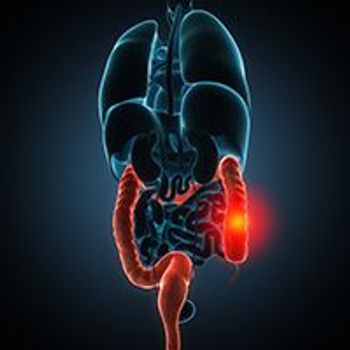
The use of ctDNA assays may help identify patients with colorectal cancer who could benefit from adjuvant chemotherapy.
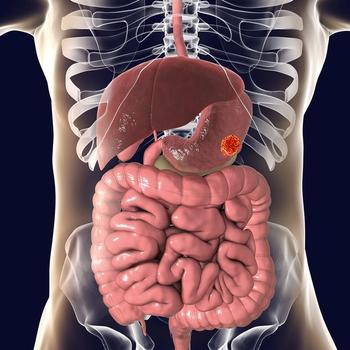
The safety and tolerability of TST001 is under investigation as a potential treatment option for patients with gastric/gastroesophageal junction cancer and other locally advanced or metastatic solid tumors as part of a phase 1 trial.

The addition of nivolumab to mFOLFOX6 and bevacizumab failed to demonstrate a statistically significant improvement in progression-free survival vs mFOLFOX6 and bevacizumab alone in previously untreated patients with metastatic colorectal cancer, according to findings from the phase 2/3 CheckMate 9X8 trial.

Trastuzumab deruxtecan demonstrated durable responses and a safety profile that was consistent with findings from the primary analysis of the phase 2 DESTINY-CRC01 trial in pretreated patients with HER2-expressing metastatic colorectal cancer, according to updated results of the study.

The addition of nivolumab to encorafenib and cetuximab elicited a high response rate and an acceptable safety profile in patients with refractory microsatellite stable, BRAF V600E–mutant metastatic colorectal cancer, according to findings from a phase 1/2 trial.

Pembrolizumab plus regorafenib failed to demonstrate a significant improvement in progression-free survival in pretreated patients with microsatellite stable colorectal cancer (MSSCRC), missing the primary end point of the phase 1/2 trial.
The use of pembrolizumab plus binimetinib and bevacizumab in patients with microsatellite-stable, treatment-refractory metastatic colorectal cancer induced a median progression-free survival of 5.8 months, according to preliminary findings from a phase 2 trial.
Onvansertib in combination with irinotecan, fluorouracil, and folinic acid, plus bevacizumab, demonstrated encouraging efficacy and was well-tolerated in patients with KRAS-mutated metastatic colorectal cancer.

Transarterial chemoembolization plus lenvatinib led to a significant improvement in overall survival vs lenvatinib alone as frontline therapy in patients with advanced hepatocellular carcinoma, according to findings from the phase 3 LAUNCH trial.
The combination of olaparib and pembrolizumab demonstrated acceptable safety and an manageable adverse effect profile in patients with advanced cholangiocarcinoma who had received prior gemcitabine-based therapy, according to findings from a phase 2 trial.
Updated findings from the KEYNOTE-590 study confirmed the clinical benefit of the combination of pembrolizumab and chemotherapy as a treatment for patients with locally advanced and metastatic esophageal cancer.
Transarterial chemoembolization combined with lenvatinib plus sintilimab was safe and effective for patients with unresectable hepatocellular carcinoma.
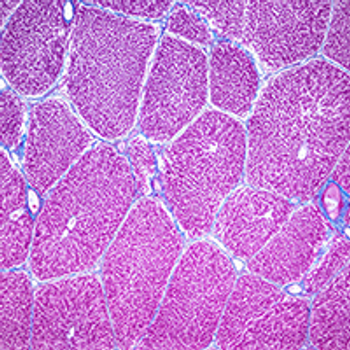
Lenvatinib was effective in treating patients with recurrent hepatocellular carcinoma after liver transplantation and demonstrated manageable toxicities.

Nivolumab plus chemotherapy demonstrated a durable survival benefit for patients with gastric or gastroesophageal junction cancer, according to updated findings from the CheckMate 649 trial.
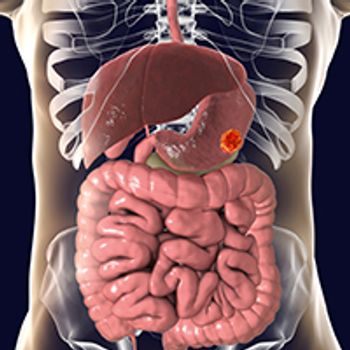
Initial treatment with lenvatinib in patients with Barcelona Clinic Liver Cancer stage B2 hepatocellular carcinoma helped prolong survival.