
Sikander Ailawadhi, MD, discusses the unique pharmacodynamic profile of lisaftoclax, the similar responses seen across cohorts, and the favorable tolerability of the drug.
Sikander Ailawadhi, MD, discusses the unique pharmacodynamic profile of lisaftoclax, the similar responses seen across cohorts, and the favorable tolerability of the drug.
Intravesical Bacillus Calmette–Guérin in combination with N-803 resulted in a 12-month disease-free survival rate of 57% in patients with BCG-unresponsive high-grade papillary non–muscle invasive bladder cancer, meeting the primary end point for cohort B of the phase 2/3 QUILT 3.032 trial.

An upgraded model of the clonoSEQ® B-cell Clonality diagnostic tool has been released, which will now include IGHV mutation status for patients with chronic lymphocytic leukemia.
A marked reduction in hospitalizations and emergency department visits are key metrics for value-based care programs. Quality improvement processes and electronic patient management systems may give practices a way to fully embrace these programs and remain mindful of cost while ensuring that patients receive high-quality care.
A bench-to-bedside-pioneered lung cancer immunotherapy developed at MUSC Hollings Cancer Center is to be included in one of the largest lung cancer clinical trials being offered by the National Cancer Institute.
Anurag Singh, MD, discussed the potential advantage to treating patients with radiation therapy at specific times of day, how the utilization of prophylactic gabapentin has decreased the need for narcotics in managing oral mucositis in patients with head and neck cancer, and the potential use of single-fraction radiation therapy in oncology.

Non-Hispanic Black women are approximately 40% more like to require a visit to the emergency department after breast cancer surgery, and Hispanic women are 11% more likely compared with non-Hispanic White women, according to results from a population-based study published in Breast Cancer Research and Treatment.

The dismutase mimetic avasopasem manganese was not found to significantly reduce the incidence of severe oral mucositis in patients with locally advanced head and neck cancer who were receiving standard-of-care radiotherapy, missing the primary end point of the phase 3 ROMAN trial.
Non-surgical primary chemoablation using mitomycin-containing reverse thermal gel UGN-102 produced significant, durable responses in those with low-grade intermediate-risk non–muscle invasive bladder cancer.
The availability of chemoimmunotherapy combinations and targeted agents for common and rare mutations alike in non–small cell lung cancer has fostered discussions that might have been unthinkable just a decade or so ago.

The bicycle toxin conjugates BT5528 and BT8009 have showcased preliminary signs of antitumor activity and encouraging tolerability when administered to patients with solid tumors such as urothelial cancer and ovarian cancer.

Ontada, a McKesson business focused on real-world data and evidence, clinical education and provider technology, announced the launch of Health Outcomes Powered by Evidence Studies.
Hope S. Rugo, MD, FASCO, provides her insights on the final analysis data from the international phase 3 ASCENT trial.
The phase 2 ACE-Breast03 trial has been launched to evaluate the efficacy and safety of ARX788, an investigational antibody-drug conjugate, in patients with metastatic HER2-positive breast cancer who have progressed on prior HER2-directed therapies.
Brad S. Kahl, MD, discusses personalizing frontline treatment in mantle cell lymphoma, clinical trials further examining BTK inhibitors, and research opportunities with CAR T-cell therapy.
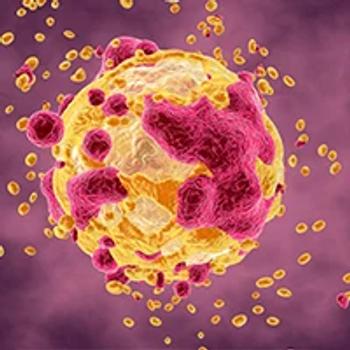
Inguinofemoral radiotherapy could potentially spare patients with vulvar cancer and sentinel node micrometastases from the morbidity of a lymphadenectomy.
The FDA has granted an orphan drug designation to LAVA-051, a CD1d-targeted Gammabody, for the treatment of patients with chronic lymphocytic leukemia.
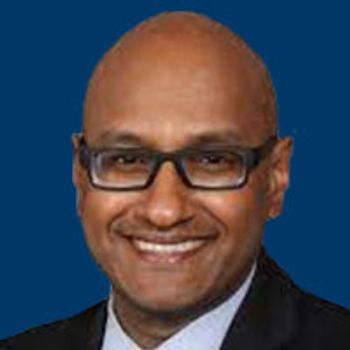
Hepatocellular cancer, the most common primary liver malignancy, is the fourth-leading cause of cancer-related deaths globally.
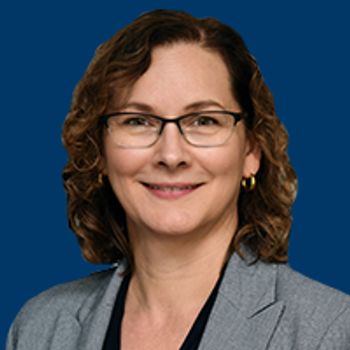
Margaret Gilshannon, MHA, has been appointed Deputy Director for Finance & Administration at Yale Cancer Center.
The combination of sintilimab, a bevacizumab biosimilar injection, and chemotherapy resulted in a significant improvement in progression-free survival in patients with EGFR-mutated, nonsquamous, non–small cell lung cancer that as progressed following treatment with an EGFR TKI, meeting the primary end point of the phase 3 ORIENT-31 trial.
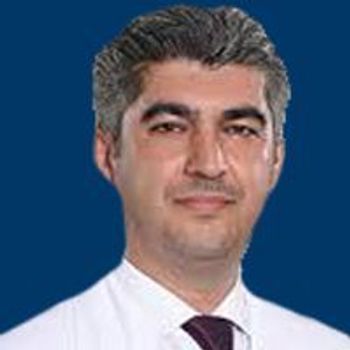
Ahmet Sezer, MD, discusses how the approval of cemiplimab could potentially make a huge impact for patients with advanced non–small cell lung cancer.
Francisco Javier Esteva, MD, PhD, discussed the current approach to treating patients with early-stage HER2-positive breast cancer, unmet needs in the space, and future directions with neratinib and T-DM1.
In her 2020 American Society of Clinical Oncology presidential address, “Equity: Every patient. Every day. Everywhere,” Lori J. Pierce, MD, challenges medical oncology to imagine a future when equity is considered a humanistic standard of oncology practice.
As the autumn and winter conference season approaches, Curtis Lachowiez, MD, reflects on the impact 2020 left on the field of oncology.
Marco Ruiz, MD, discusses the new HIV/Cancer Clinic and its goals, challenges faced with patients who have cancer and HIV infection, and clinical trial opportunities that strive to move the needle forward.
The European Medicines Agency’s Committee for Medicinal Products for Human Use has adopted a positive opinion regarding approval of the combination of pembrolizumab and lenvatinib for 2 indications: select patients with renal cell carcinoma and select patients with endometrial carcinoma.

Alexander I. Spira, MD, PhD, FACP, discusses impactful data from the 2021 ESMO Congress in lung cancer.
A single, high priming dose of tremelimumab plus durvalumab resulted in a statistically significant and clinically meaningful improvement in overall survival vs sorafenib when used in the frontline treatment of patients with unresectable hepatocellular carcinoma who had not previously received systemic therapy and were not eligible for localized treatment.
The FDA has approved atezolizumab for use as an adjuvant treatment following resection and platinum-based chemotherapy in patients with stage II to IIIA non–small cell lung cancer whose tumors have PD-L1 expression on ≥ 1% of tumor cells, as determined by an FDA-approved test.
Michael Diaz, MD will assume the role of President & Managing Physician at Florida Cancer Specialists & Research Institute.