
Jessica J. Lin, MD, discussed the impact of larotrectinib in patients with NTRK fusion–positive lung cancer, and the importance of further understanding mechanism of resistance to targeted therapies.
Jessica J. Lin, MD, discussed the impact of larotrectinib in patients with NTRK fusion–positive lung cancer, and the importance of further understanding mechanism of resistance to targeted therapies.
The Cancer Dormancy and Tumor Microenvironment Institute, which has recently been launched at Albert Einstein Cancer Center, will focus on taking the tumor microenvironment research being done at the center to the next level and to develop novel technologies that can better identify dormant cancer as well as prevent and control recurrent disease.

Devimistat, which is being evaluated in combination with modified FOLFIRINOX in the frontline treatment of patients with metastatic adenocarcinoma of the pancreas, failed to meet the primary end point of overall survival in the phase 3 AVENGER 500 trial.
The FDA has granted an accelerated approval to asciminib for patients with Philadelphia chromosome (Ph)–positive chronic myeloid leukemia (CML) in chronic phase who have previously been treated with 2 or more TKIs, and for those with Ph-positive CML in chronic phase with a T315I mutation.

Routine computed tomography-based imaging scans identified abnormal ground-glass opacities and infiltrates indicative of COVID-19 in patients with lung cancer undergoing radiation therapy, enabling earlier diagnosis, treatment, and risk reducing measures.
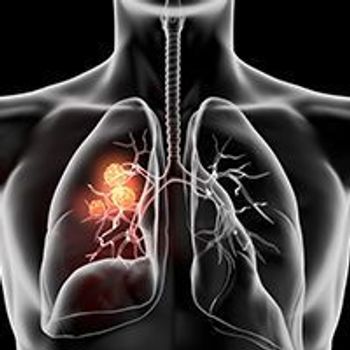
MUSC Hollings Cancer Center researcher and radiation oncologist Graham Warren, MD, PhD, published a new study in the Journal of Thoracic Oncology detailing new findings and early markers of COVID-19 in lung cancer patients.
The clinical-stage immunotherapy company PDS Biotechnology Corporation has announced the temporary suspension of recruitment to the National Cancer Institute–led phase 2 trial, which is evaluating a novel triplet combination comprised of PDS0101 and 2 immunomodulating agents in patients with advanced human papillomavirus cancers.
Bijal Shah, MD, MS, discusses the evolving role of BTK inhibitors in MCL, how to choose among the variety of agents, and the safety concerns that affect treatment decisions.

Melissa Johnson, MD, discusses highlights from the 2021 ESMO Congress.
As the armamentarium continues expanding for the treatment of patients with chronic graft-vs-host disease, research is ongoing to determine whether earlier integration of novel therapies, such as ruxolitinib, could yield better response rates for patients.
Although CAR T-cell therapies have demonstrated unprecedented activity in patients with heavily pretreated relapsed/refractory hematologic malignancies, they are marked by a significant risk of infections and may limit the efficacy of COVID-19 vaccines.
The FDA has granted a priority review to tisagenlecleucel for use in adult patients with relapsed or refractory follicular lymphoma.

Driven to move the mission of Roswell Park Comprehensive Cancer Center forward despite the many challenges the COVID-19 pandemic brought with it, Roswell Park President and CEO Candace S. Johnson, PhD, has marked a year of unprecedented success in faculty recruitment
Treatment with ruxolitinib was not found to carry an increased risk of secondary malignancies in patients with polycythemia vera.

Since Charu Aggarwal, MD, MPH, helped conduct the first phase 1 trial of pembrolizumab nearly a decade ago, she has been recognized as a pioneer in testing immunotherapy treatments for thoracic cancers.
Sara Hurvitz, MD, discusses the coopERA study and how these data, along with findings from other clinical trials, could lead to significant changes in treatment for patients with ER-positive/HER2-negative breast cancer.

The accelerated approval of the tissue factor–directed antibody and microtubule inhibitor tisotumab vedotin-tftv bolsters the treatment portfolio for patients with recurrent metastatic cervical cancer.
The ATR inhibitor RP-3500 demonstrated a manageable safety profile and promising early antitumor efficacy in patients whose tumors harbor select genomic alterations when administered at doses of 100 mg or more.
Ziad Bakouny, MD, MSc, discusses recent ongoing research into the genomic drivers and biology of tRCC that could lead to improved outcomes for patients.

The Icahn School of Medicine at Mount Sinai is establishing a Skin Biology and Diseases Resource-based Center, funded by a $4 million, five-year P30 grant from the National Institutes of Health and the National Institute of Arthritis and Musculoskeletal and Skin Diseases.

The randomized FORTE/NRG-CC005 trial, which is evaluating the frequency of surveillance colonoscopy in individuals with a first-time presentation and removal of 1 to 2 small, benign polyps, has been launched.
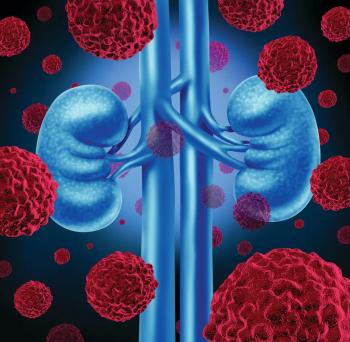
We spotlight key data presented during the 2021 ESMO Congress in kidney cancer, prostate cancer, and bladder cancer.

Alexander J. Stratigos, MD, PhD, discussed the effect cemiplimab will have on the treatment landscape of patients with advanced BCC.
Yi-Bin Chen, MD, discusses the nuances of diagnosing patients with cGVHD, the need for biomarkers to inform who is likely to develop the disease, the introduction of ruxolitinib and belumosudil to the paradigm, and future directions with novel strategies in the space.
A proportion of patients with multiple myeloma receiving CD38-directed and BCMA-directed therapies had a lack of T-cell responses and an absence of anti–SARS-CoV-2 Spike antibodies following SARS-CoV-2 vaccination, underscoring the need for serological testing after vaccination to identify these patients.
Concurrent use of tumor-treating fields, radiation therapy, and temozolomide is under study as a potential treatment for patients with newly diagnosed, stage IV glioblastoma.
Treatment with the next-generation anthracycline annamycin was found to result in preliminary clinical activity without dose-limiting toxicities in patients with soft tissue sarcoma lung metastases.
The administration of NBTXR3 monotherapy activated by radiotherapy resulted in encouraging survival improvements in difficult-to-treat elderly and frail patients with locally advanced head and neck squamous cell carcinoma who are ineligible for cisplatin and intolerant to cetuximab.
The FDA has granted a fast track designation to the interleukin-2 variant immunotherapy nemvaleukin alfa for use in combination with pembrolizumab in the treatment of patients with platinum-resistant ovarian cancer.
Florida Cancer Specialists & Research Institute has opened its new state-of-the-art North Port Cancer Center, providing the most advanced and personalized treatments and services for patients with all forms of cancers and blood disorders.