

The FDA has granted an accelerated approval to tisotumab vedotin for the treatment of adult patients with recurrent or metastatic cervical cancer with disease progression on or after chemotherapy.
The FDA has granted an accelerated approval to tisotumab vedotin for the treatment of adult patients with recurrent or metastatic cervical cancer with disease progression on or after chemotherapy.
A genome-wide look into changes in three-dimensional chromatin organization between ibrutinib-resistant and parental chronic lymphocytic leukemia cells illustrated the involvement of PAK1 as an oncogenic driver in CLL.

Baseline tumor immunogenicity may be associated with higher pathologic complete response rates and favorable outcomes in hormone receptor-positive, HER2-positive early stage breast cancer when comparing de-escalated neoadjuvant ado-trastuzumab emtansine with or without endocrine therapy, vs trastuzumab plus endocrine therapy.
Zanubrutinib monotherapy showed a deepening of response in patients with relapsed/refractory chronic lymphocytic leukemia.

Adjuvant treatment with atezolizumab led to an improvement in disease-free survival and time to locoregional and distant relapse compared with best supportive care in prespecified subgroups of PD-L1–positive patients with stage II to IIIA NSCLC, according to exploratory findings from the phase 3 IMpower010 trial.

First-line sunitinib was found to improve efficacy compared with placebo in patients with malignant pheochromocytoma and paragangliomas.
TG-1701, a covalently bound BTK inhibitor, used as monotherapy or in combination with umbralisib and ublituximab, demonstrated promising activity and a manageable safety profile in patients with chronic lymphocytic leukemia.

The FDA has granted priority review to a biologics license application for the fixed-dose combination of relatlimab plus nivolumab for the treatment of adult and pediatric patients aged 12 years and older and weighing at least 40 kg who have unresectable or metastatic melanoma.

In a new study by Yale Cancer Center, researchers show stem-like T cells within certain lymph nodes could be natural cancer fighters.
Lisocabtagene maraleucel in combination with ibrutinib was associated with manageable safety for patients with relapsed or refractory chronic lymphocytic leukemia or small lymphocytic lymphoma, according to updated data from the phase 1 TRANSCEND-CLL-004 trial.

Clinical limit of detection may be a reasonable metric for evaluating cell-free DNA for multi-cancer early detection.

The anti-PD-1 antibody balstilimab in combination with the anti-CTLA-4 antibody zalifrelimab exhibited impressive response rates, duration of response, and overall survival in patients with previously treated recurrent/metastatic cervical cancer.

The frontline combination of nivolumab and chemotherapy upheld its improvement in progression-free and overall survival vs chemotherapy alone with longer follow-up of patients with advanced gastric, gastroesophageal junction, or esophageal cancer, according to data from the phase 3 CheckMate-649 trial.

Tisotumab vedotin elicited significant responses without prohibitive toxicity in combination with carboplatin as frontline therapy, as well as in combination with pembrolizumab as second- or third-line therapy in patients with recurrent or metastatic cervical cancer.

Adagrasib alone or in combination with cetuximab elicited encouraging antitumor activity and safety in heavily pretreated patients with KRAS G12C–mutant colorectal cancer, according to findings from the phase 1/2 KRYSTAL-1 trial.

When added to androgen-deprivation therapy, abiraterone acetate and prednisolone with or without enzalutamide for 2 years improved survival outcomes in men with high-risk nonmetastatic prostate cancer.

Prednisone added to androgen-deprivation therapy plus docetaxel improved radiographic progression-free survival and overall survival in patients with de novo metastatic castration-sensitive prostate cancer.

Sabizabulin was well tolerated and associated with significant and durable objective tumor responses in patients with metastatic castration resistant prostate cancer.
A group of patients with metastatic castration resistant prostate cancer achieved favorable outcomes after receiving treatment with nivolumab in combination with rucaparib.

Switching maintenance to darolutamide following taxane-based therapy with at least 1 novel hormonal agent showed statistically significant but clinically modest improvement in radiographic progression-free survival and event-free survival in patents with metastatic castration-resistant prostate cancer.

The combination of ribociclib and letrozole demonstrated a statistically significant and clinically meaningful overall survival benefit compared with letrozole alone in the first-line setting for postmenopausal patients with hormone receptor–positive, HER2-negative advanced breast cancer, according to results from the phase 3 MONALEESA-2 trial.

Circulating tumor DNA was a better predictor for survival than RECIST 1.1 for patients with previously treated, HLA-A*02:01-positive metastatic uveal melanoma assigned to tebentafusp.

The antibody drug conjugate datopotamab deruxtecan demonstrated safe antitumor activity in patients with advanced/metastatic non-small cell lung cancer with actionable genomic alterations.

Vic-trastuzumab duocarmazine yielded an improved progression-free survival over standard physician’s choice chemotherapy in patients with pretreated HER2-positive locally advanced or metastatic breast cancer.

The phase 1b COSMIC-021 trial showed clinically meaningful activity with cabozantinib plus atezolizumab in patients with locally advanced or metastatic castration-resistant prostate cancer who have been previously treated, including patients with high-risk features.

Fam-trastuzumab deruxtecan-nxki demonstrated a clinically meaningful and statistically significant improvement in progression-free survival vs standard of care trastuzumab emtansine for patients with previously treated HER2-positive metastatic breast cancer.
The use of a cell-free DNA–based minimal residual disease assay demonstrated feasibility and highly concordant results compared with 4-color flow cytometry and improved MRD detection in patients with chronic lymphocytic leukemia who were treated with time-limited venetoclax, acalabrutinib, and obinutuzumab.

The addition of pembrolizumab to chemotherapy with or without bevacizumab significantly improved survival and response rates in patients with persistent, recurrent, or metastatic cervical cancer.

Adjuvant pembrolizumab led to a significant reduction in the risk of disease recurrence or death compared with placebo in patients with resected, high-risk stage II melanoma.
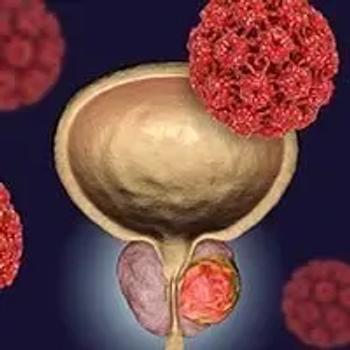
Pembrolizumab plus olaparib may improve prostate-specific antigen response rate in patients with metastatic castration-resistant prostate cancer regardless of homologous recombination repair mutation status.