

Merck KGaA, Darmstadt, Germany has decided to discontinue the phase 2 INTR@PID BTC 055 trial examining bintrafusp alfa plus gemcitabine and cisplatin in the frontline treatment of patients with locally advanced or metastatic biliary tract cancer.
Merck KGaA, Darmstadt, Germany has decided to discontinue the phase 2 INTR@PID BTC 055 trial examining bintrafusp alfa plus gemcitabine and cisplatin in the frontline treatment of patients with locally advanced or metastatic biliary tract cancer.

The CAR T-cell therapy tisagenlecleucel did not significantly improve event-free survival compared with standard of care when used in the second-line treatment of patients with aggressive B-cell non-Hodgkin lymphoma who had primary refractory disease or who relapsed within 12 months of frontline treatment.

A new era for patients with newly diagnosed Philadelphia chromosomepositive acute lymphoblastic leukemia may be on the horizon as investigative efforts aimed away from chemotherapy-based regimens prove efficacious.

The FDA issued an updated safety communication to remind the community that the safety and effectiveness of robotically-assisted surgical devices for use in mastectomy procedures or in the prevention or treatment of patients with breast cancer have not been established.

If there is one touchstone that emerges from Dr. Margaret A. Tempero's career of studying and treating pancreatic cancer, it is her persistence in simply trying to help her patients.

The National Comprehensive Cancer Center Network has issued an official statement calling on all healthcare systems to ensure that their workforces are immunized with one of the authorized COVID-19 vaccines.

Regimens that included the off-the-shelf, induced pluripotent stem cell–derived natural killer cell products FT596 and FT516 were found to elicit encouraging responses with favorable tolerability when used in patients with B-cell lymphoma.
$60 million pledged to establish the Mount Sinai Tisch Cancer Center and to construct a new, state-of-the-art cancer hospital in Manhattan.
The FDA has granted a priority review designation to a supplemental biologics license application seeking the approval of abatacept for the prevention of moderate to severe acute graft-versus-host disease in patients aged 6 years and older who are receiving unrelated donor hematopoietic stem cell transplantation.
The FDA has approved the Pfizer-BioNTech COVID-19 vaccine for use in the prevention of COVID-19 disease in individuals aged 16 years or older.

Primary central nervous system lymphoma is a rare and aggressive variant of extranodal non-Hodgkin lymphoma that occurs in the brain, spinal cord, cerebrospinal fluid, or eyes in the absence of systemic disease.

Ongoing research efforts are pushing to establish minimal residual disease negativity as a surrogate end point for patient outcomes in multiple myeloma clinical trials, and MRD assessment is becoming an increasingly utilized tool to inform real-world clinical decisions.
The ability to reflect and boldly choose a professional identity should be discussed, encouraged, and nurtured in every individual.

When imagining a champion of change, one can easily point to Laura J. van ’t Veer, PhD, the 2020 Giants of Cancer Care® award winner in Cancer Diagnostics, as a prime example.
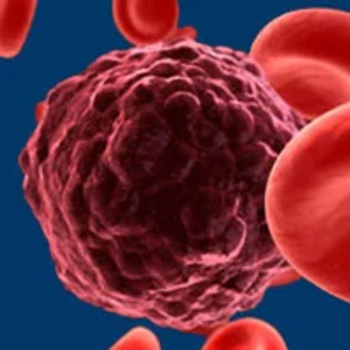
Peter G. Miller, MD, PhD, discusses the characteristics and risks associated with clonal hematopoiesis and risk-stratification efforts for patients with cancer who are at risk of developing therapy-related secondary malignancies from clonal hematopoiesis.

Computed tomography-based image guidance during radiation therapy could be a method of identifying patients who require a complete workup for COVID-19.
Updated outcomes from the ongoing phase 1/2 GO40554 trial show that mosunetuzumab monotherapy demonstrated promising efficacy and a tolerable safety for elderly/unfit patients with previously untreated first-line diffuse large B-cell lymphoma.

Extended adjuvant endocrine therapy via intermittent administration of letrozole did not improve disease-free survival vs continuous use in postmenopausal patients with hormone receptor–positive breast cancer, but represents a valid approach for those who require or prefer a treatment interruption.
The FDA has approved nivolumab for the adjuvant treatment of patients with urothelial carcinoma who are at high risk of recurrence after undergoing radical resection, irrespective of prior neoadjuvant chemotherapy, nodal involvement or PD-L1 status.

Riad Salem MD, discusses previous data with TheraSphere™ Yttrium-90 in metastatic colorectal cancer, the potential role of this modality in the second-line setting, and future research directions.

A collaborative initiative between the American Society of Clinical Oncology and the American Medical Association has the goal of improving well-being and reducing burnout by leveraging a quality improvement framework and model.
The use of transvaginal ultrasonography to measure the need for diagnostic testing of endometrial cancer missed almost 5 times more endometrial cancer cases in Black women compared with those in White women.
Chris Labaki, MD, and Quoc-Dien Trinh, MD, discuss their research on the decline in cancer screenings during the height of the COVID-19 pandemic, the recovery of these tests, and potential existing disparities to be addressed.
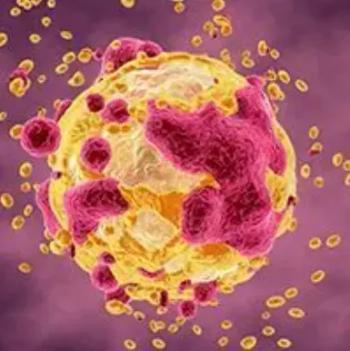
It’s imperative to stay diligent of the immune-related adverse events that patients with cancer may experience from checkpoint inhibitors and other immunotherapy agents, especially with regards to treatment continuation and keeping hospitalizations low.

The addition of toripalimab to chemotherapy resulted in a significant improvement in progression-free survival compared with chemotherapy alone when given as first-line treatment in patients with non–small cell lung cancer, meeting the primary end point of the phase 3 CHOICE-01 trial.

The European Commission has granted a conditional marketing authorization for idecabtagene vicleucel for use in adult patients with relapsed/refractory multiple myeloma who have previously received at least 3 therapies, including an immunomodulatory drug, a proteasome inhibitor, and an anti-CD38 antibody and progressed on their last therapy.
The David Liposarcoma Research Initiative will spearhead groundbreaking research into liposarcoma at Dana-Farber and external collaborating partner institutions, with the aim of transforming the treatment of this rare, underfunded, and understudied disease in order to improve care of patients through research.

Nivolumab followed by treatment with tumor-infiltrating lymphocytes was generally safe and found to have clinical benefit in patients with metastatic non–small cell lung cancer.
The discovery of an agent with a unique mechanism of action led investigators to examine sabizabulin, an oral therapy that binds to the colchicine binding site on the microtubule to crosslink α and β tubulin and inhibits microtubule polymerization.

Palbociclib plus ruxolitinib led to normalized blood leukocyte counts, reduced splenomegaly, and significantly improved bone marrow fibrosis in JAK2 V617F and MPLW515L mouse models of myelofibrosis, suggesting that the combination could provide therapeutic benefit to patients with the malignancy.