

Atrayee Basu-Mallick, MD, discusses the importance of clinical research examining the role of circulating tumor DNA in patients with colorectal cancer.
Atrayee Basu-Mallick, MD, discusses the importance of clinical research examining the role of circulating tumor DNA in patients with colorectal cancer.

The FDA has approved pembrolizumab for use in combination with platinum and fluoropyrimidine-based chemotherapy for patients with metastatic or locally advanced esophageal or gastroesophageal carcinoma who are ineligible for surgical resection or definitive chemoradiation.

Olaparib, when used in patients with platinum-sensitive relapsed ovarian cancer who had a known BRCA mutation and homologous recombination deficiency status, demonstrated adverse effects that proved to be consistent with the established safety profile of the PARP inhibitor.
The combination of atezolizumab and bevacizumab is the clear frontline standard of care for patients with advanced hepatocellular carcinoma without contraindications.
The 3 most common types of amyloidosis––TTR mutant, TTR wild-type, and amyloid light chain––have a significant amount of cardiac involvement, making cardiologists essential players in the diagnostic workup and treatment of these patients

Intravenous cetirizine showed comparable efficacy to IV diphenhydramine for the prevention of infusion reactions in patients with cancer who are undergoing treatment with an anti-CD20 antibody or paclitaxel.

The PD-L1 inhibitor atezolizumab was found to improve disease-free survival over best supportive care when used as an adjuvant treatment in patients with PD-L1–positive, stage II-IIIA non–small cell lung cancer, meeting the primary end point of the phase 3 IMpower010 trial.

Maintenance niraparib demonstrated clinical benefit that persisted beyond first progression in patients with platinum-sensitive recurrent ovarian cancer with or without germline BRCA mutations.

Although the combination of olaparib and cediranib showcased modest efficacy over cediranib alone in patients with recurrent, metastatic or persistent endometrial cancer, the difference was not statistically significant.

José Baselga, MD, PhD, a breast cancer pioneer and executive vice president of oncology R&D at AstraZeneca, passed away on Sunday at the age of 61.

Maintenance olaparib showcased progression-free survival benefit in almost half of the patients with ovarian cancer vs 21% of those who received placebo, including consistent benefit in high- and low-risk patients.
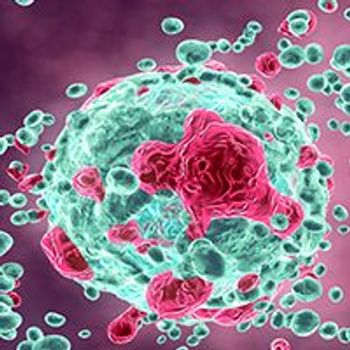
Niraparib in combination with bevacizumab continued to showcase a progression-free survival benefit in patients with advanced ovarian cancer who previously received frontline platinum-based chemotherapy and bevacizumab.

Eribulin induced limited activity with a favorable toxicity profile in patients with recurrent or advanced cervical cancer, and prior exposure to paclitaxel was associated with decreased response to the agent.

Immunotherapy is now incorporated into National Comprehensive Cancer Network guidelines as maintenance therapy and in a sequencing strategy for the treatment of patients with metastatic urothelial carcinoma and in the setting of superficial UC-carcinoma in situ with prior intravesical therapy.

Dostarlimab plus niraparib and bevacizumab showcased favorable antitumor activity and tolerability in patients with platinum-resistant ovarian cancer.

Anthracyclines and taxanes remain a backbone in the early-stage setting of triple-negative breast cancer as further evaluations of immunotherapy in the neoadjuvant and adjuvant settings needs to be conducted—efforts that will continue to shape the treatment paradigm.

Key updates to the National Comprehensive Cancer Network guidelines for gastric and esophageal cancers include the incorporation of immune checkpoint inhibitors spanning settings in patients with gastroesophageal cancer, the inclusion of fam-trastuzumab deruxtecan-nxki for those with HER2-positive gastric cancer, and the addition of recommended ramucirumab combinations for use in second- or later-line settings.

The combination of pembrolizumab and lenvatinib improved progression-free and overall survival, as well as response rates, compared with chemotherapy in patients with advanced endometrial cancer who received prior platinum-based chemotherapy, irrespective of mismatch repair status, according to phase 3 findings of the Study-309/KEYNOTE-775 trial.

Kira Gritsman, MD, PhD, discusses several novel agents that are under investigation to improve outcomes in poor-prognosis subsets of patients with AML, early data supporting these approaches, and the potential impact of these options on the treatment paradigm.

CA-125 surveillance alone could be used to detect disease progression in patients with advanced ovarian cancer and an abnormal CA-125 level at the beginning of frontline maintenance therapy with olaparib and bevacizumab, according to an analysis from the phase 3 PAOLA-1.
The majority of respondents in a survey study indicated that the COVID-19 pandemic made no difference in their decision to participate in an oncology clinical trial; however, the remaining respondents were more than 7 times more likely to indicate that the pandemic made them less likely to enroll in a clinical trial

Peter Martin, MD, discusses selecting among BTK inhibitors for the treatment of patients with mantle cell lymphoma.
Most patients with extremity sarcoma are willing to participate in a randomized clinical trial exploring various postoperative cancer surveillance regimens.

Ghaith Abu-Zeinah, MD, discusses utilizing interferon-alpha in patients with polycythemia vera.

The combination of tilsotolimod plus ipilimumab failed to improve objective response rate over ipilimumab alone in patients with advanced melanoma who are refractory to a PD-1 inhibitor, missing the primary end point of the phase 2 ILLUMINATE-301 trial.

M Lia Palomba, MD, discusses the data from the TRANSCEND-NHL-001 trial and projected how lisocabtagene maraleucel could fit into the treatment paradigm for patients with MCL.

Anjana Pillai, MD, discusses recent advances made in the HCC treatment paradigm, as well as what the conference will offer to healthcare providers working in the field.

Riad Salem, MD, discusses the FDA approval of TheraSphere™ Yttrium-90 Glass Microsphere in March 2021 for the treatment of patients with hepatocellular carcinoma.

Robert J. Motzer, MD, discusses the efficacy of cabozantinib in patients with renal cell carcinoma.

Edgardo Santos, MD, FACP, discusses advances made with immunotherapy regimens in the first-line treatment of patients with metastatic non–small cell lung cancer and areas of active investigation.